
Moab Climbing: Best Season, Where to Stay, and Wet Rock Rules

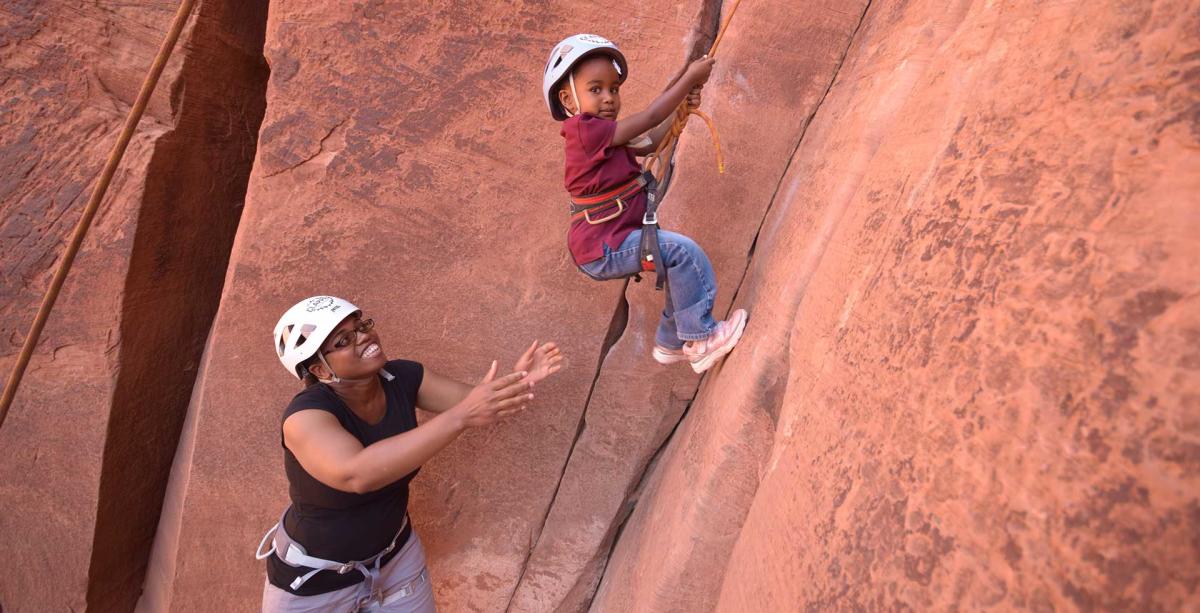
Moab climbing is easy to romanticize because the setting is absurdly good. Red walls, towers, desert roads, and a town built for outdoor traffic make it sound like the perfect climber fantasy. The problem is that a lot of visiting climbers flatten Moab into one idea when it is really a whole terrain system. Staying in the wrong place, underestimating driving, or treating wet sandstone like a casual guideline can wreck the trip faster than any single bad pitch.
The best Moab trips come from people who make three decisions early: which season they actually want, whether they are basing in town or stretching toward more specific climbing zones, and how strict they are willing to be about wet rock. If you get those right, the rest of the trip becomes fun instead of fussy.
| Question | Best call | Why it wins |
|---|---|---|
| Best season | Spring and fall | That is when Moab’s desert climbing works without turning into a heat-management project. |
| Best base | Town of Moab | It gives you services, food, and the easiest launch point for varied objectives. |
| Best climber fit | Trad, towers, and mixed-style climbers with a car | Moab rewards flexibility and self-sufficiency more than passive convenience. |
The fast decision
Choose Moab if you want a desert climbing trip with range. You can build days around roadside cliffs, crack climbing, towers, and a town that actually supports outdoor travel. Do not choose Moab expecting a walk-everywhere climbing holiday. The car is central to how the destination works.
This is also a destination where ethics and conditions are not side notes. Wet sandstone guidance is trip-defining, especially if your plan depends on a narrow sequence of iconic objectives.
When Moab climbing is actually best
Spring is prime if you want the classic version of the trip
Spring is the obvious answer because the temperatures are right and the desert feels alive instead of punishing. That also means it is a busy season. The town, campgrounds, and popular areas all feel that pressure. If you want the prime window without avoidable stress, book the base early and keep the climbing plan adaptable.
Fall is often the smoother answer for dedicated climbers
Fall can be even cleaner for travelers who care most about the climbing. The temperatures turn back in your favor and the whole trip starts feeling efficient again. If you are building a serious climbing week rather than a broader Utah road trip, fall is probably the strongest pure answer.
Summer and winter are only good when your plan is specific
Moab is not one season all year just because someone somewhere can find something to climb. Summer heat can turn approaches and exposed walls into bad math quickly. Winter can work, but only if your chosen objectives and weather line up. Shoulder seasons are still the clear recommendation.
| Season window | What works | Main downside |
|---|---|---|
| Spring | Classic desert trip window | More crowding and earlier booking pressure |
| Fall | Excellent climbing-focused trip season | Still popular for obvious reasons |
| Summer | Very selective, shaded, or higher-elevation plans | Heat dominates the experience |
| Winter | Specific sunny objectives | Not as universally flexible as people hope |
Where to stay, and why the town base usually wins
Staying in Moab keeps the whole trip alive
The town of Moab is the best default base because it gives you food, stores, showers, and easy recovery after desert days. This matters more here than people admit. A lot of climbers picture themselves loving a rougher setup, then realize by day two that easy water, gear access, and a normal dinner are worth protecting.
Camping is great when the objective is the point
If your whole trip is built around one specific corridor or you simply want the dirtier version of a desert trip, camping can absolutely be the right answer. The mistake is pretending camping is always the highest-performance choice. It is often the higher-romance choice. Those are not the same thing.
Do not underestimate the driving
Moab looks compact on a map until you start layering real objectives, weather pivots, and grocery runs on top of each other. This is why the town base is so hard to beat. It gives you recovery and optionality. Unless your plan is intentionally austere, take the optionality.
Plan your climbing trip with fewer access surprises
SearchSpot compares climbing destinations, stay strategy, and route logistics so you can pick a crag trip that actually works on the ground.
Plan your Moab climbing trip on SearchSpot
Wet sandstone is the rule that decides whether your trip is good or irresponsible
The biggest planning rule in Moab is simple: do not climb wet sandstone. This is not a symbolic leave-no-trace slogan. Wet rock is weaker, holds can fail, protection can behave differently, and route damage becomes permanent very quickly. If there has been rain, your trip plan must flex.
This is where mature climbers separate themselves from tourists with chalk bags. If the forecast gets unstable, have backup plans that are actually real, rest days, town days, scenic days, different rock, or delayed objectives. Do not treat the weather window like a personal exception.
Park restrictions and access details that matter
Moab climbing bleeds into terrain managed by different agencies, which means the rules are not one-size-fits-all. In nearby national park terrain, fixed-gear and route-alteration rules matter. Climbing on arches and natural bridges is restricted in places like Canyonlands, and white chalk is not the right assumption in park-managed zones where colored or non-marking chalk is expected.
This matters because a lot of visitors treat “Moab” as if it is one giant open climbing blob. It is not. It is a network of areas with different access and management realities. Read the rules for the exact zone you plan to touch, not the Instagram caption version of the destination.
Who Moab fits best
Moab is best for climbers who like variety, care about place, and do not mind using a car as part of the trip architecture. Trad climbers, tower-curious climbers, and mixed groups who want climbing plus rest-day options all do well here. If you want a one-crag sport vacation where everything is five minutes away and the rules barely matter, Moab is not really that place.
The recommendation
Choose Moab when you want a desert climbing trip that feels bigger than a single cliff and still gives you a functional town base. Go in spring or fall. Stay in town unless you have a very good reason not to. Build backup plans around wet rock. Treat the parks and public land rules as part of the route plan.
Do that, and Moab becomes one of the most satisfying climbing trips in the U.S. Ignore it, and the same landscape that looked cinematic online starts feeling inconvenient very fast.
Plan your climbing trip with fewer access surprises
SearchSpot compares climbing destinations, stay strategy, and route logistics so you can pick a crag trip that actually works on the ground.
Turn this research into a real trip plan
SearchSpot helps you compare stays, routes, neighborhoods, and decision tradeoffs in one planning flow so you can move from reading to booking with more confidence.