
Angkor Wat Sunrise: Is It Worth It, and How to Do It Without Wasting the Morning
Angkor Wat sunrise is famous for a reason, but it only pays off if the rest of your temple day is planned around the crowd surge, the early start, and your pass logistics.

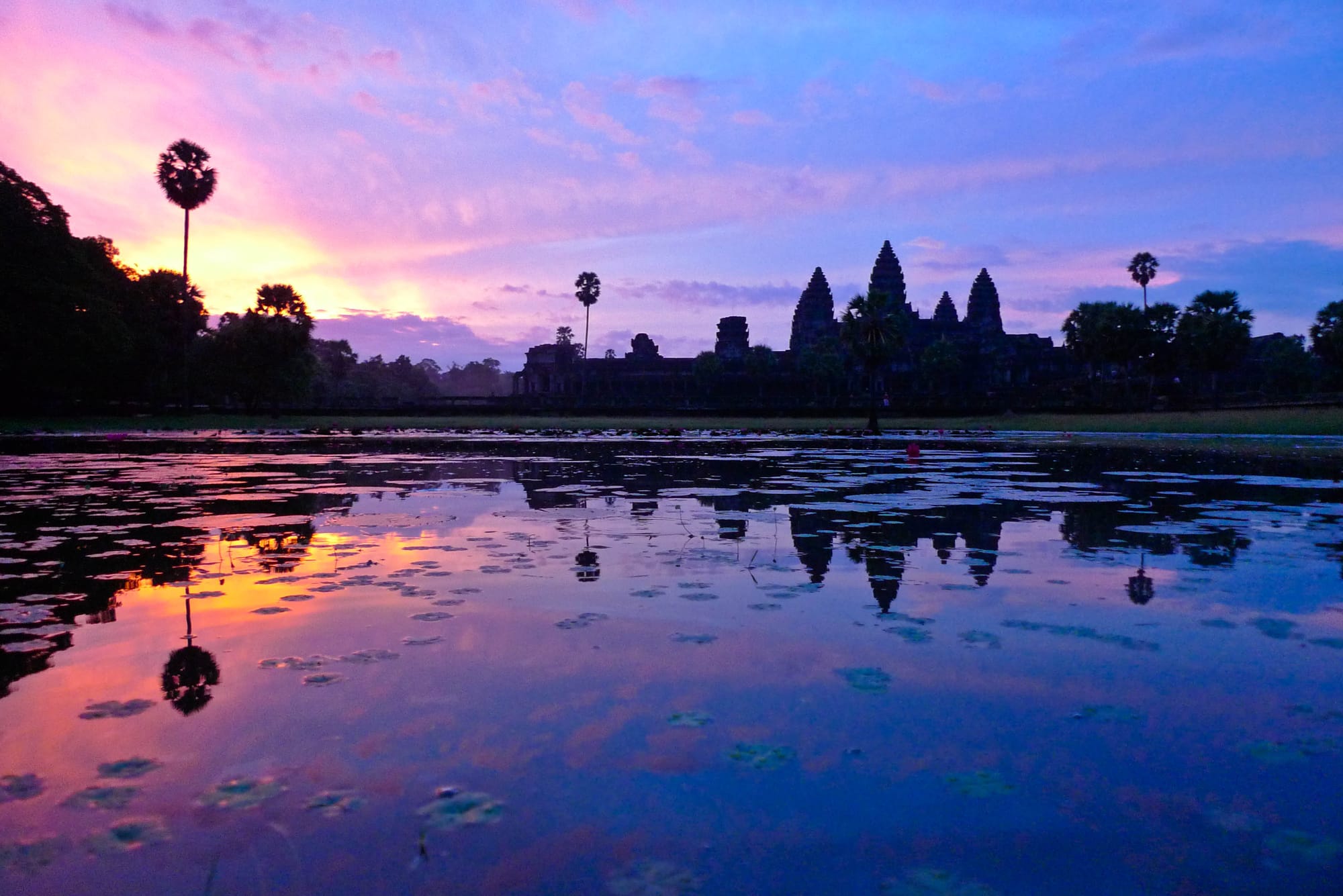
Angkor Wat sunrise looks simple on Instagram. In real life, it is a timing problem. You need the right pass plan, the right tuk tuk departure, and a realistic idea of what happens after the famous silhouette moment. If you get those pieces wrong, you burn your freshest hours standing shoulder to shoulder at the reflecting pools, then spend the rest of the morning recovering instead of seeing the best temple sequence.
My short answer: Angkor Wat sunrise is worth it for first-timers who care about the classic view. It is less worth it for repeat visitors, people who hate crowd compression, or travelers with only one short temple morning and no interest in the iconic photo. The mistake is treating sunrise as the whole plan. It should be the opening move in a bigger route.
When Angkor Wat sunrise is actually worth it
It is worth the effort if at least two of these are true: you want the signature Angkor experience, you are on your first visit, you can handle an early wake-up, and you can keep going after sunrise into a smart temple loop. Angkor Enterprise currently sells one-day, three-day, and seven-day passes, and its official help center notes entry from 5:00 AM with site closing at 6:30 PM. That early entry matters because sunrise only works if you are already inside and moving before the main surge forms.
| Trip type | Sunrise verdict | Why |
|---|---|---|
| First Angkor trip | Yes, usually | You get the classic silhouette, cooler temperatures, and a clear anchor for your day. |
| Second or third trip | Maybe not | You may get more value from a quieter early start at Ta Prohm, Bayon, or outer temples. |
| Photography-first trip | Yes, with weather flexibility | Cloud cover can flatten the scene, so build backup expectations. |
| Short one-day temple hit | Only if you are disciplined | You cannot drift after sunrise. You need a route that protects the rest of the morning. |
The biggest upside is not just the photo. It is the head start. If you enter at dawn, you can finish Angkor Wat, then pivot before the later morning heat becomes punishing. The biggest downside is that everyone knows this too. You are not buying solitude. You are buying access to an iconic moment and then trying to out-plan the crowd.
What people underestimate about Angkor Wat sunrise
Most people underestimate three things. First, pass logistics matter. Angkor Enterprise lists official online purchase options and standard pass pricing of US$37 for one day, US$62 for three days, and US$72 for seven days. Buying your pass the morning of sunrise adds friction at exactly the wrong moment. If sunrise is the goal, sort the pass the day before.
Second, dawn is only one slice of the morning. Once the sky brightens, the crowd shifts fast. Some people stay too long waiting for perfect reflection colors that never quite arrive. Others leave too soon and miss the best soft light on the temple galleries. Third, the rest of your route matters more than the sunrise photo itself. A good temple day is a sequence, not a single viewpoint.
The best timing plan for Angkor Wat sunrise
If you are staying in Siem Reap, leave early enough to be at the causeway checkpoint comfortably before the 5:00 AM opening. Angkor Enterprise notes the main ticket office sits about four kilometers from central Siem Reap, which is another reason not to leave pass collection until dawn. Aim to enter, walk in, choose your viewing side, then let the silhouette happen without scrambling.
| Time | What to do | Why it works |
|---|---|---|
| Previous afternoon | Buy or confirm pass | Removes sunrise-day stress and queue risk. |
| 4:15 to 4:40 AM | Leave Siem Reap | Protects against tuk tuk delay and checkpoint lines. |
| Before 5:00 AM | Be ready at entry | Lets you move in as soon as access opens. |
| Sunrise to 7:00 AM | Watch dawn, then enter temple core | You get the iconic view and interior before later heat. |
| 7:15 to 10:30 AM | Continue to Bayon, Ta Prohm, or your chosen loop | Uses your best energy before peak tour-bus compression. |
If sunrise matters deeply, check the weather the night before and keep expectations calibrated. A dramatic sky is never guaranteed. What is guaranteed is the crowd. That means your win condition should not be “perfect photo.” It should be “great start to a well-structured Angkor day.”
The smartest temple order after sunrise
For most first-timers, the best order is sunrise at Angkor Wat, quick interior visit once the light rises, then a move toward Bayon and Ta Prohm before late morning. This works because you front-load the iconic sight, then spread out into different temple textures before fatigue and heat catch you. If you stay at Angkor Wat too long, the rest of the loop turns into traffic management.
If you have a three-day pass, sunrise is easier to justify because you do not need to force every headline temple into one morning. If you have a one-day pass, discipline matters more. Keep breakfast simple, move quickly, and decide in advance what gets dropped if the morning runs long.
Plan your Angkor Wat sunrise with better timing and fewer mistakes
SearchSpot compares temple order, pass friction, and crowd pressure so your Angkor day works in real life, not just in a highlight reel.
Plan your ruins trip on SearchSpot
Should you hire a guide or do it yourself?
For sunrise alone, self-guided is fine if you have a driver and a clear route. For a one-day deep visit, a strong guide can add value by sequencing around crowd flow and turning stone into context instead of just scenery. The trade-off is pace. Some travelers want interpretation, others want control. If your main anxiety is wasting time, a guide helps most when your day is short or your group is mixed on energy and interest.
What to wear and pack for sunrise
Dress for temple etiquette and heat management at the same time. That means shoulders and knees covered, breathable fabric, water, and a realistic plan for how fast the temperature rises after dawn. A flashlight is usually unnecessary if you have a phone, but a fully charged phone is not optional. You will use it for entry proof, navigation, and route decisions.
Common bad plans to avoid
Bad plan one: buying your pass at dawn and hoping it all works out. Bad plan two: doing sunrise after a late night and treating the day like a casual outing. Bad plan three: lingering too long at the reflecting pools, then hitting every major temple at the same time as everyone else. Bad plan four: assuming sunrise means cooler all day. Cambodia can get hot quickly, and tired travelers make sloppy route choices.
My recommendation
If this is your first Angkor trip, do sunrise. Just do it with intent. Buy your pass in advance, accept that the dawn viewpoint is a crowd event, and protect the next three hours like they are the real prize. If this is not your first visit, or if you strongly prefer quieter ruins over iconic moments, skip sunrise and start elsewhere at first light.
That is the real answer to the “is it worth it” question. It is worth it when the morning is designed properly. It is not worth it when sunrise is the entire plan.
Check before you go
- Official Angkor Enterprise ticket options and prices
- Official Angkor ticket purchase portal
- Official opening-hour guidance
Plan your ruins trip with better timing and fewer mistakes
SearchSpot helps you compare pass choices, temple sequencing, and base strategy before you lock in the wrong morning.
Turn this research into a real trip plan
SearchSpot helps you compare stays, routes, neighborhoods, and decision tradeoffs in one planning flow so you can move from reading to booking with more confidence.