
Vandenberg Launch Schedule: How to Plan a California Trip When the Window Keeps Moving
Turn a provisional Vandenberg launch time into a resilient Central Coast trip with the right source hierarchy, base, and backup-night rules.

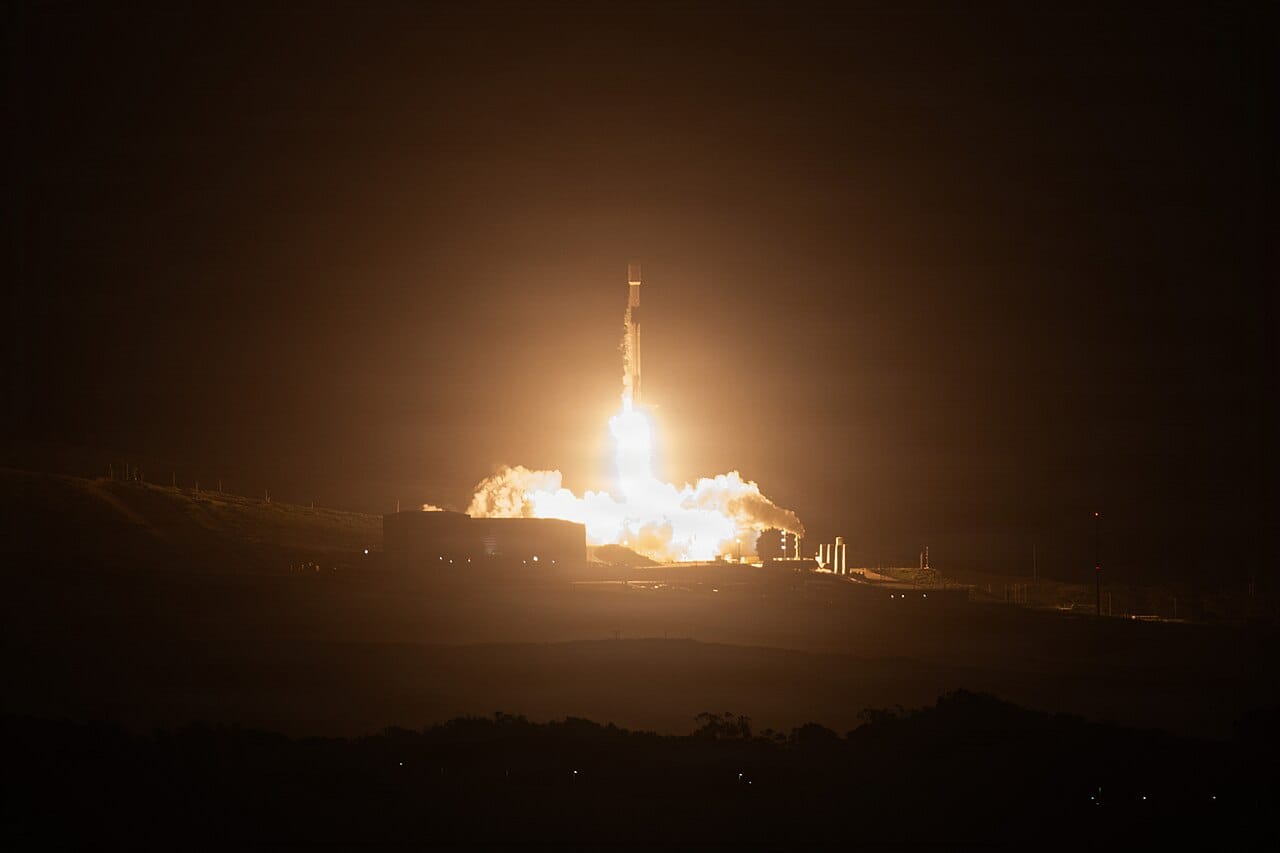
.jpg)
The Vandenberg launch schedule is one of those searches that feels more concrete than it is. You open a schedule page, see a date and a time, and your brain wants to treat it like a fixed appointment. That is the wrong mental model. At Vandenberg, a posted launch time is better understood as a live planning input, not a promise. The people who get a good trip out of it are not the ones who find the schedule first. They are the ones who build enough slack around it.
My short answer: use the schedule to choose a trip window, not a single fixed hour. Then stay close enough to Vandenberg that a slip does not blow up the whole weekend.
What the schedule is good for
Official and semi-official sources each help with a different part of the puzzle. SpaceX’s launches page is the cleanest operator signal for SpaceX missions. Space Launch Delta 30’s launch alert system gives direct updates and can flag operational changes. Independent trackers are useful for quick scans of cadence and local time conversions. Together they help. Separately they can fool you into overconfidence.
Do not rely on dates embedded in an article. Current launch targets can change quickly; use the operator page and official Vandenberg alerts for the live window.
| Schedule input | What it tells you | What it does not tell you |
|---|---|---|
| Operator page | Mission existence and launch site | Whether your travel chain is resilient |
| Base alerts | Operational updates and messaging | Your best hotel base or viewing style |
| Third-party trackers | Fast scan of cadence and local times | Whether the first listed time will actually hold |
The right way to read it
Read the schedule in three layers. First, ask whether the mission still exists on the operator page. Second, check whether the base alert system or current reporting is reflecting movement. Third, ask whether your hotel and transport plan still work if the window slides by half a day or a full day. If that third answer is no, your issue is not the schedule. Your issue is the trip design.
Choose the base before trusting the window
SearchSpot can compare hotel convenience, viewing flexibility, drive load, and backup-day value around a moving launch window.
Compare my Vandenberg bases
Vandenberg launch schedule: which source wins when times disagree
Start with the launch operator for mission existence, site, and its latest target. Then use Vandenberg Space Force Base alerts for local operational messaging. A third-party tracker is useful for discovery and time-zone scanning, but it should never outrank the operator or the range. The Vandenberg visitor center explicitly says it does not provide upcoming launch times, so calling it is not a schedule strategy.
Do not copy a launch date into a fixed itinerary weeks ahead. Save the operator page and official alert signup, then check at four moments: before booking, before the free-cancellation deadline, before starting the drive, and again on launch day. A time can move while the mission remains healthy. A hold, scrub, or range conflict is not rare enough to treat as an edge case.
Choose a Central Coast base with a cancellation rule, not a fantasy view
Lompoc is the practical default when launch viewing is the trip centerpiece because it keeps the base area central to the weekend. Santa Maria can make sense when flight access or a wider Central Coast route matters more. Santa Barbara is the lifestyle choice, but the extra distance makes every late change more expensive in time and attention. No hotel can guarantee a clear line of sight or a launch; buy location convenience, not a marketing promise.
Book at least two nights when traveling specifically for a launch, and prefer a rate that remains changeable until late. Keep the arrival day light, protect the primary attempt, and give the backup day an independent reason to exist. Coastal walks, wine-country stops, or a slow Santa Barbara County day are better backups than another nonrefundable timed attraction.
Use one scrub decision rule
If the new target remains inside your hotel window, keep the trip and simplify the surrounding day. If it moves beyond that window, stop chasing sunk costs: use the Central Coast plan and treat any launch as a bonus. If the mission disappears from the operator page or official messaging becomes unclear, do not drive farther on the strength of an aggregator alone.
Separate launch confidence from viewing confidence. A mission can remain on schedule while marine cloud, fog, road access, or your chosen sightline make the local experience uncertain. Keep warm layers, arrive with legal parking settled, and follow any temporary closures or instructions from authorities. Never stop on a highway shoulder or enter base land in search of a better angle.
The strongest booking pattern is simple: flexible lodging, two possible nights, one official alert channel, and a weekend worth taking even if no rocket leaves the pad. That structure cannot guarantee a launch, but it removes most avoidable travel regret.
Why same-day trips are usually the wrong move
Same-day launch missions only work when you live nearby and do not care very much if you miss it. For everyone else, they create a brittle plan with no margin for holds, scrubs, or backup opportunities. That is why a two- or three-night structure is the better default. One night is your arrival cushion. One is your main attempt. One is your backup or recovery layer.
The call
The Vandenberg launch schedule is worth using, but only if you downgrade its authority in your head. It should shape your trip window, not dictate your emotional state. Stay close, leave room for one slip, and treat every posted time as provisional until very late in the process.
Make a launch slip survivable
Turn provisional timing, two viewing chances, lodging rules, and Central Coast alternatives into one resilient weekend.
Build my Vandenberg launch weekend
Check before you go
Schedules, access, route status, prices, hours, and safety rules can change. These official pages were checked on August 23, 2026; recheck them before paying or traveling.
Turn this research into a real trip plan
SearchSpot helps you compare stays, routes, neighborhoods, and decision tradeoffs in one planning flow so you can move from reading to booking with more confidence.