
Surfing Maldives: North Malé vs South Malé vs Thulusdhoo, and When the Luxury Version Is Worth It
Surfing Maldives can be an incredible surf trip or a very expensive logistics mistake. The difference usually comes down to whether you stay on a resort island, a local island, or chase the wrong atoll for your level.

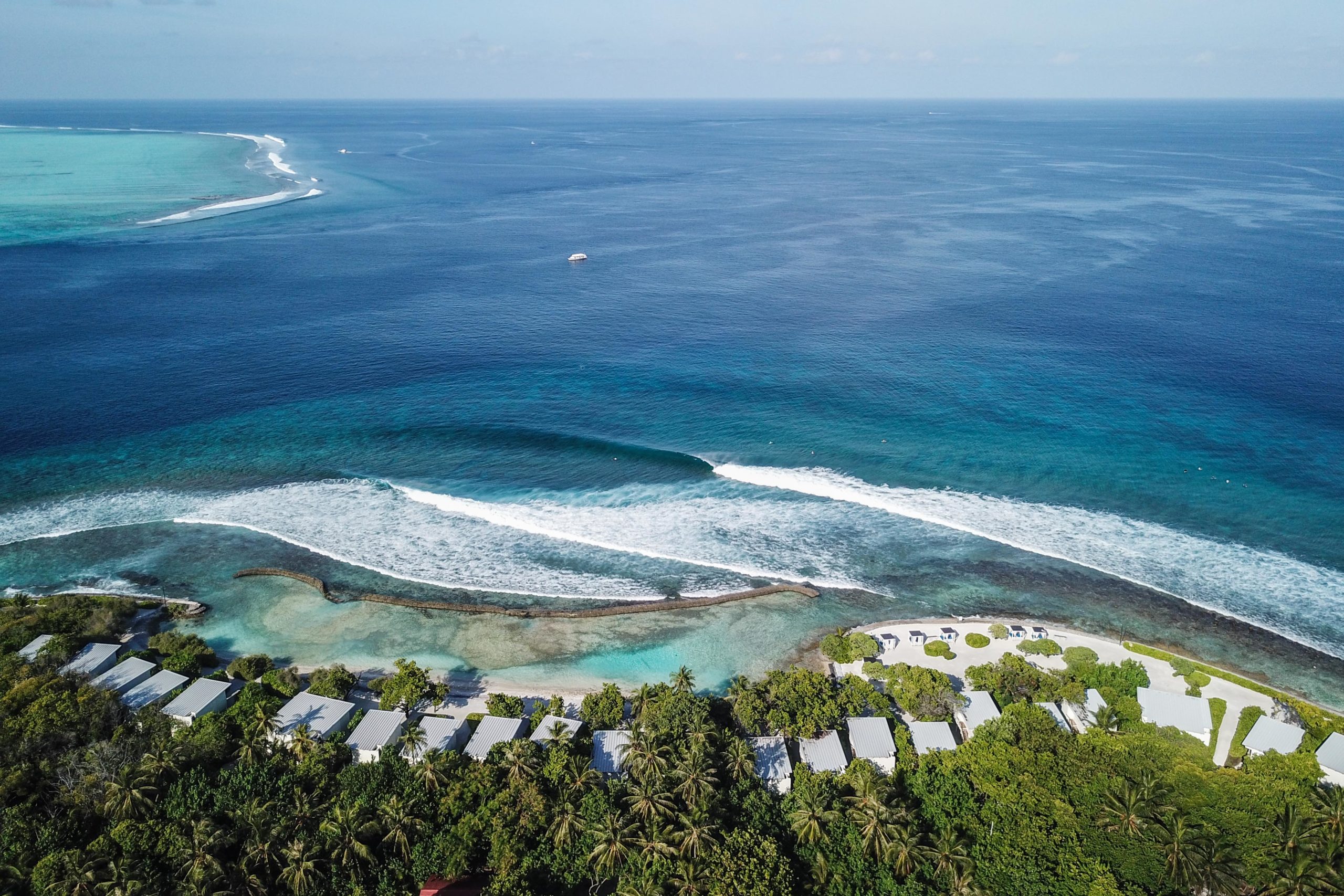
A Maldives surf trip can be world-class and still be badly planned. This is the destination where pretty hotel choices and practical surf choices drift furthest apart. People book a glamorous island, then realize the transfers are wrong, the wave access is limited, the charter traffic is heavy, or the resort premium only bought them a better sunset, not a better surf week.
My short answer: North Malé is the best first Maldives surf region because access is easier and the wave menu is clearer. South Malé is stronger for travelers who already know why they want those breaks and are fine paying for the setup. Thulusdhoo or another local-island model beats the resort version whenever value and flexibility matter more than polished luxury.
Maldives is really a logistics question disguised as a dream trip
Visit Maldives and Maldives surf guides consistently frame North Malé as the most established and most popular surf zone, which is exactly why it is the smartest first filter. It is the easiest place to understand the trip. You get well-known waves, simpler access from the airport zone, and clearer stay choices between resort, local island, and charter logic.
| Base style | Best for | Why it works | Main caution |
|---|---|---|---|
| North Malé | First-timers, surfers who want the cleanest planning logic | Easier access, recognized breaks, better understanding of daily flow | Popularity means more boats and more expectation |
| South Malé | Travelers who know the wave menu they want | Serious surf upside with less accidental tourist energy | More commitment and less forgiving planning mistakes |
| Thulusdhoo or local-island stay | Value-conscious surfers who still want repeated water time | Better price logic than premium resorts, easier honest surf focus | Less polished comfort, more DIY decision-making |
The season answer is clearer than people think
Maldives surf planning is not about guessing. Travel and destination sources consistently center the main swell window from around April into October or November, driven by the southwest monsoon. That is the core booking window for most serious surf travelers. If your dates sit outside that span, the burden of proof should be on the trip, not on your optimism.
| Window | Best use | Main caution |
|---|---|---|
| Apr to Jun | Best overall first-timer window for a surf-led trip | Popular weeks book fast |
| Jul to Sep | Core season for committed surfers who accept crowd pressure | Boat traffic and premium pricing can bite |
| Oct to Nov | Shoulder logic if you still want season upside | More variability means you should keep expectations calibrated |
| Dec to Mar | Choose this only if surfing is not the main purpose | The classic surf-trip logic is weaker |
Why North Malé is the best first answer
North Malé’s biggest advantage is not just wave quality. It is clarity. The region is close enough to the main arrival corridor that the transfer logic stays understandable, which matters after a long-haul flight with boards. It is also where many surfers first learn the difference between a Maldives trip that looks expensive and one that is expensive for a reason.
If you want a trip where you can surf hard and still feel like the planning system makes sense, North Malé wins. That does not mean it is uncrowded. It means the compromises are more legible. You know what you are paying for and why you are there.
Plan your surfing Maldives trip with clearer atoll and stay logic
SearchSpot compares season windows, transfer friction, and value tradeoffs so you can tell whether North Malé, South Malé, or a local-island stay fits.
Plan your surf trip on SearchSpot
South Malé is better for certainty, not curiosity
South Malé is where you go when you already know you want a more focused surf setup and are less interested in broad first-trip flexibility. It rewards people who understand their wave preferences and are not booking the Maldives just because it sounds premium. If North Malé is the easiest entry point, South Malé is the sharper tool.
That also means the downside is harsher. If you misread your level, your tolerance for boat-based access, or your patience with premium pricing, the trip can feel very expensive very quickly. South Malé is not the place to outsource your homework.
Why Thulusdhoo often beats the resort version on value
The luxury Maldives surf dream is real, but it is not automatically the best product. For many travelers, a local-island base such as Thulusdhoo is the smarter booking because it keeps you surf-focused and stops you from paying resort money for comforts that barely affect your water time. If the main goal is repeated sessions, practical access, and keeping the budget from turning silly, local-island logic is hard to beat.
The trade is obvious. You lose polish. You gain honesty. That is usually a good exchange for surfers who care more about wave count than about how cinematic the breakfast deck looks.
Board strategy, boats, and the real luxury question
The real luxury question is not “Can I afford a resort?” It is “Will the resort premium improve my surf week enough to justify itself?” Sometimes yes. If the package removes ugly transfer friction, gives you better break access, and fits a high-value short trip, the splurge can make sense. But many surfers pay for generalized Maldives fantasy when a local-island stay plus smart transfers would have produced the better outcome.
Bring boards if you know exactly what you want under your feet, but do not confuse bigger quiver plans with smarter planning. Every extra airport, seaplane, or speedboat variable raises the cost of moving gear. The Maldives punishes overpacked, underthought trips.
Where to stay if you care about surf more than brochure luxury
If you want the easiest first trip, stay where airport-to-boat friction is low and daily access is understandable. That is why North Malé keeps winning first-timer logic. If you want a value-led week, Thulusdhoo and similar local-island logic deserve serious attention because they keep the trip focused on repeated sessions instead of aesthetic resort spending. If you are paying resort money, force the package to justify itself through access and time saved, not through generic Maldives glamour.
The deeper mistake is booking accommodation before you solve access. In the Maldives, access is the holiday. The hotel is secondary until that question is clear.
How I would match Maldives to three real budgets
For a short premium trip where you want the least friction and are fine paying for it, North Malé resort logic can work. For a longer surf-first trip where value matters, local-island staying is usually stronger because the savings compound across the week. For experienced surfers who already know the breaks they want, South Malé can justify the extra planning effort. Those are the useful lanes.
What does not work is trying to book one Maldives trip that is somehow luxury-perfect, budget-smart, uncrowded, and flexible. That trip usually does not exist. Decide which two or three of those you care about most and plan backwards from there.
What is not worth paying for
It is usually not worth paying a broad luxury premium if the package does not improve break access, transfer simplicity, or your effective number of surf sessions. A prettier villa is not the same thing as a better surf plan. The Maldives is full of expensive ways to feel impressive to yourself. Far fewer of them actually raise the trip’s surf quality.
For many surfers, the best-value Maldives move is still a simpler local-island base with disciplined transfers and realistic season timing. That version may look less cinematic on paper, but it often performs better where it matters.
The winning Maldives plan is usually the one with the fewest moving pieces between waking up and paddling out. Anything that improves the photo but complicates the surf day should be treated skeptically.
That is the test worth applying to every package, every transfer, and every luxury upsell before you pay for it.
Who should choose what
Pick North Malé if this is your first Maldives surf trip or if you want the clearest mix of access and recognizable surf logic. Pick South Malé if you already understand why the extra commitment matters. Pick Thulusdhoo or another local-island stay if value, repeat sessions, and cleaner budgeting matter more than premium resort theater.
Skip the assumption that the most expensive version is the best version. In surf travel, that is often how people buy a prettier mistake.
The call
For most travelers, North Malé is the best first answer. For budget discipline and surf focus, local-island logic is often even smarter. South Malé is the specialist move and should be booked like one.
Surfing Maldives is worth the effort when the logistics are as deliberate as the dream. If they are not, the trip can become a very expensive way to learn that luxury and fit are not the same thing.
Use SearchSpot to compare Maldives surf-trip versions properly
SearchSpot helps you weigh atoll, transfer friction, resort premium, and season timing before you commit to the wrong kind of Maldives surf week.
Turn this research into a real trip plan
SearchSpot helps you compare stays, routes, neighborhoods, and decision tradeoffs in one planning flow so you can move from reading to booking with more confidence.