
FIFA World Cup 2026 Travel Guide: How AI Can Plan Your Entire World Cup Trip
Planning a FIFA World Cup 2026 trip across the USA, Canada, and Mexico can be overwhelming. Learn how AI-powered travel planning with SearchSpot.ai helps fans organize flights, hotels, match-day logistics, local experiences, and personalized itineraries while reducing planning stress

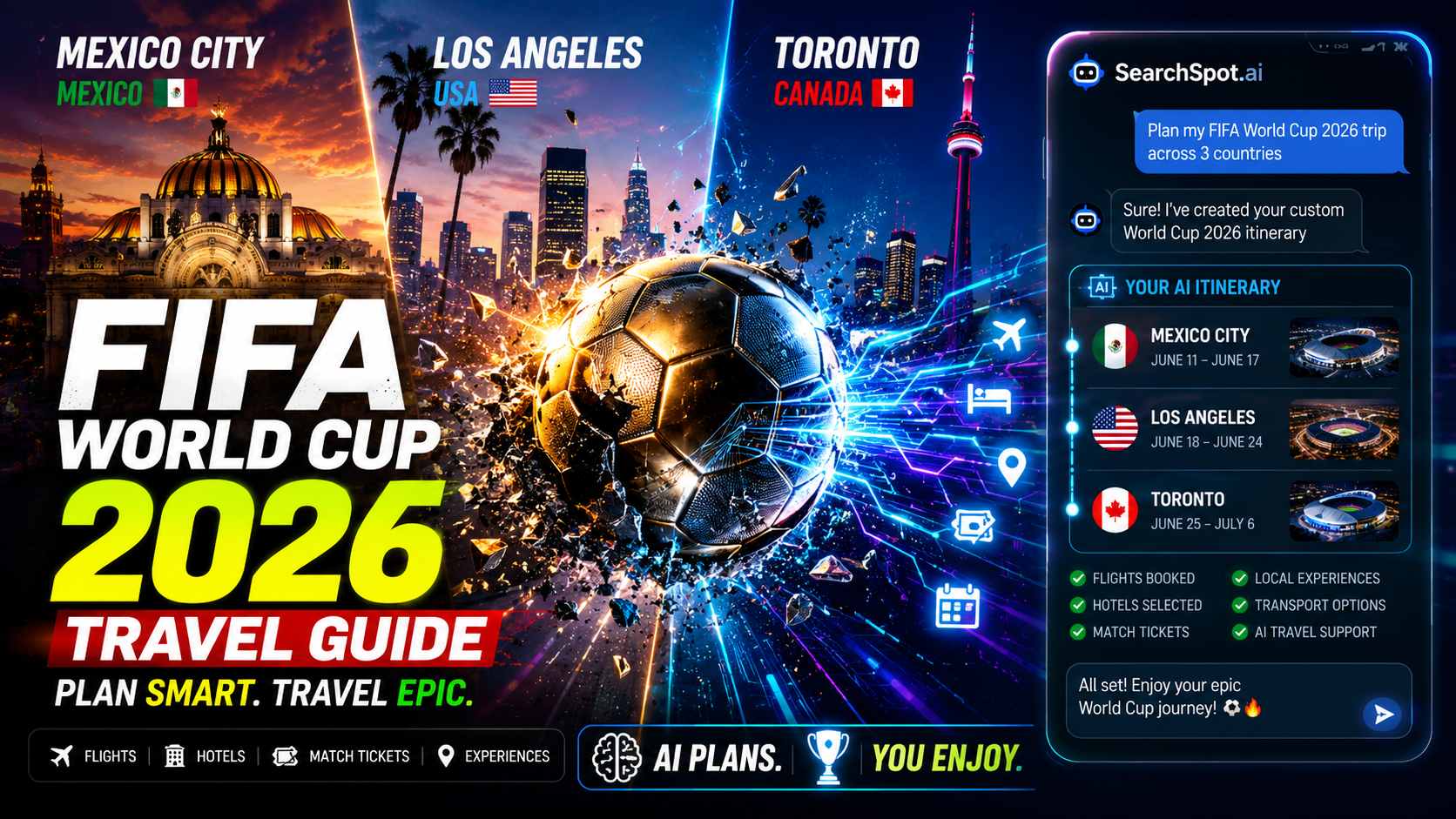

There’s something different about World Cup travel.
Even people who normally never travel internationally suddenly start imagining themselves inside packed stadiums, singing national anthems with thousands of strangers, watching last-minute goals with people they met three hours ago.
The FIFA World Cup isn’t just football.
It becomes memory, chaos, emotion, travel, culture, exhaustion, excitement — all mixed together.
And FIFA World Cup 2026 is going to be even crazier.
For the first time ever, the tournament is spread across three countries:
- USA
- Canada
- Mexico
Which sounds exciting until you actually try planning the trip.
That’s when reality hits.
Flights become expensive overnight.
Hotels near stadiums disappear fast.
Transportation between cities becomes confusing.
Visa planning becomes stressful.
And suddenly you have 25 browser tabs open trying to figure out whether staying in Dallas or Houston makes more sense if Argentina qualifies for a specific group.
Honestly, planning a World Cup trip manually feels like managing a small logistics company.
That’s why AI travel planning is becoming surprisingly useful for football fans.
Recently, while experimenting with different trip planning tools for a hypothetical World Cup route, I realized something:
Traditional travel apps are terrible at handling emotionally-driven, multi-city events like the FIFA World Cup.
But conversational AI travel planning feels very different.
Especially with SearchSpot.ai.
And during an event as massive as World Cup 2026, that difference becomes extremely noticeable.
Why FIFA World Cup 2026 Will Be One of the Biggest Travel Events Ever

This World Cup is going to be massive.
Not just because of football.
But because of geography.
Fans could realistically end up traveling between:
- Mexico City
- Los Angeles
- Miami
- Toronto
- Dallas
- Vancouver
- New York
- Atlanta
…all during a single tournament.
That’s an insane amount of movement.
And unlike normal vacations, football fans don’t fully control their travel schedules.
Everything depends on:
- match dates
- team qualification
- knockout stage progression
- stadium locations
- ticket availability
A Brazil fan may suddenly need to fly across countries within 48 hours.
An Argentina supporter may have to reorganize hotels completely after group-stage results.
A solo traveler following Portugal might want cheap hostels near stadiums.
A group of friends traveling for England matches may prioritize nightlife and big fan zones.
Everyone travels differently.
That’s the problem.
Most travel apps still don’t understand context.
They just show lists.
Why Traditional Travel Apps Become Overwhelming During the World Cup

One thing I noticed while planning hypothetical World Cup routes:
Traditional travel apps force users to do too much manual work.
You search flights separately.
Hotels separately.
Transportation separately.
Restaurants separately.
Nightlife separately.
Fan zones separately.
And after a while, the excitement slowly turns into planning fatigue.
Especially during an event where hotel prices constantly change and flights disappear quickly.
The problem gets worse because football travel is emotional.
Fans aren’t simply booking vacations.
They’re trying to build once-in-a-lifetime memories.
Nobody wants to spend weeks comparing hotel reviews when all they really want is:
- good stadium atmosphere
- safe locations
- affordable travel
- easy transportation
- local experiences
- football culture
That’s where AI trip planning starts becoming genuinely useful.
How AI Travel Planning Changes the World Cup Experience

The biggest difference with conversational AI travel planning is simple:
Instead of searching manually, you describe the experience you want.
That changes everything.
With SearchSpot.ai, planning feels more natural because the platform actually tries to understand the trip before recommending things.
For example:
Instead of:
“Hotels in Mexico City”
You can ask:
- “Plan a budget-friendly Argentina World Cup trip across 3 cities.”
- “Find hotels near stadiums with nightlife nearby.”
- “Plan a solo football trip with local food experiences.”
- “Suggest flights and stays for following Brazil during knockout stages.”
- “Help me combine tourism with football in USA and Mexico.”
That conversational layer removes a huge amount of planning stress.
And honestly, during a tournament this chaotic, that matters a lot.
Planning Around Your Favorite Team Changes Everything
Following Argentina Across Multiple Cities

Imagine Argentina qualifies comfortably from the group stage.
Now suddenly:
- your flights change
- hotel priorities change
- transportation routes change
- city plans change
This is where normal travel apps struggle badly.
They aren’t built around dynamic football travel.
But AI travel planning tools like SearchSpot.ai can help reorganize trips conversationally.
Instead of restarting planning from zero, you can simply adjust the route dynamically.
That flexibility matters during live tournaments.
Especially when emotions are already running high.
Budget Brazil Fan Trip: The Real Challenge

A lot of football fans assume flights will be the most expensive part.
Honestly?
Hotels during major matches might become even worse.
Especially near:
- New York
- Miami
- Los Angeles
- Mexico City
A budget traveler following Brazil through multiple cities could easily overspend without realizing it.
This is where AI itinerary planning becomes useful beyond inspiration.
SearchSpot.ai can help:
- compare stays
- explore cheaper nearby cities
- balance flights and accommodation
- optimize travel routes
- suggest alternative neighborhoods
- reduce unnecessary movement
That’s practical value.
Not just “AI recommendations.”
Group Trips Become Logistically Crazy

Planning a World Cup trip with friends sounds amazing until everyone wants different things.
One person wants luxury hotels.
One wants nightlife.
One only cares about football.
One wants sightseeing.
Someone suddenly changes budget expectations.
And now the group chat becomes a war zone.
This is where conversational trip planning actually helps.
Instead of endlessly sending links back and forth, AI travel planning creates a more centralized experience.
SearchSpot.ai can help groups:
- organize itineraries
- compare stays
- align budgets
- discover local experiences
- coordinate transportation
- build multi-city travel plans
It reduces friction.
And during a massive event like FIFA World Cup 2026, reducing friction is half the battle.
Food-Focused World Cup Travel Is Becoming Popular
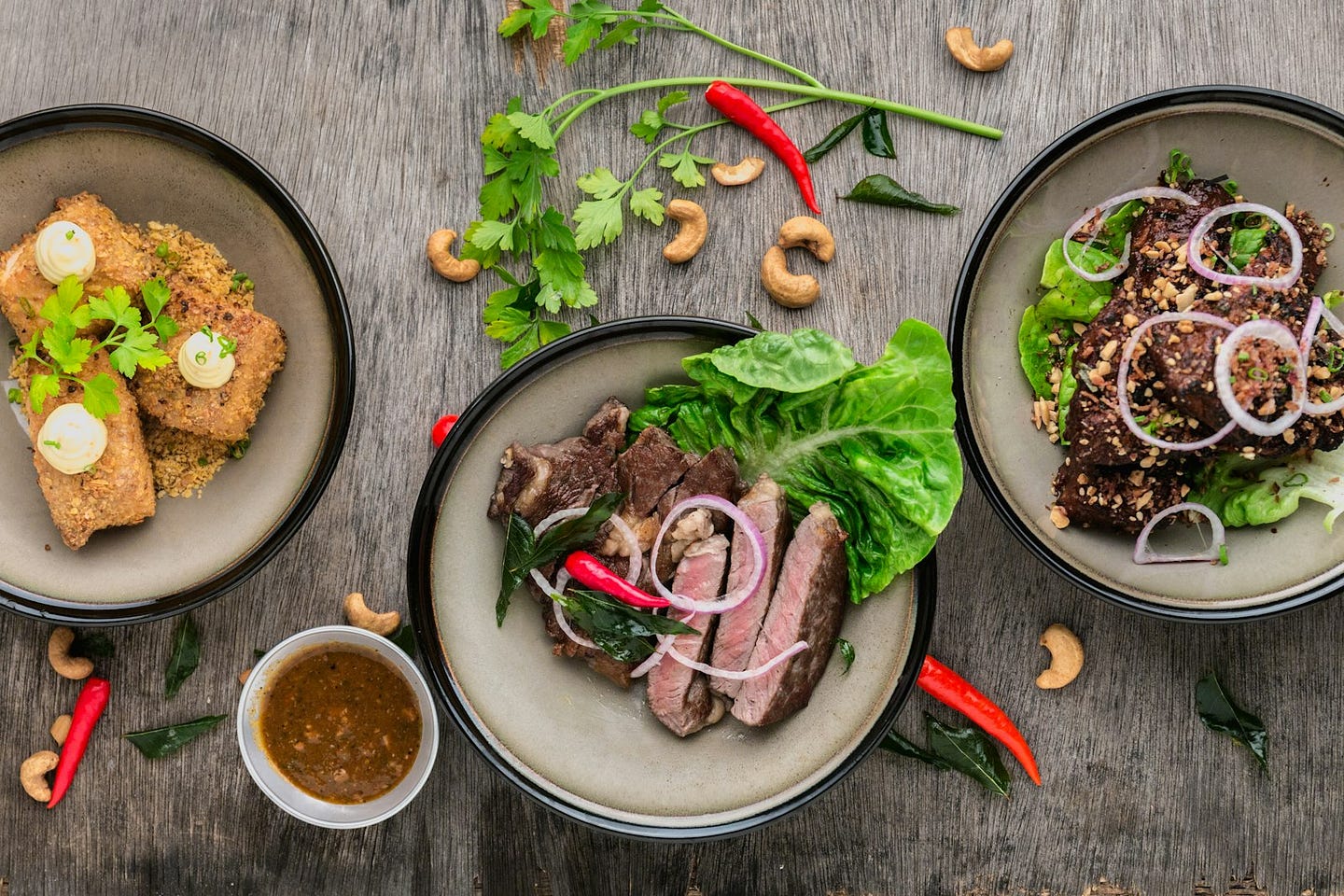
One underrated thing about modern football travel:
People don’t only travel for matches anymore.
They travel for atmosphere.
Food.
Culture.
Nightlife.
Street experiences.
Local football communities.
Someone visiting Mexico City may care just as much about tacos and local football culture as the actual match itself.
A traveler in Toronto may want hidden cafes and nightlife recommendations after games.
This is where AI travel planning becomes more personal.
Instead of generic “Top 10 Things To Do” lists, conversational planning helps shape experiences around personality and interests.
That’s where SearchSpot.ai feels different from traditional booking platforms.
It doesn’t only focus on transactions.
It focuses more on experiences.
Booking Flights and Hotels During the World Cup Is Brutal

One thing people underestimate:
World Cup prices move fast.
Really fast.
A team qualifying for knockout stages can suddenly affect:
- hotel demand
- local flights
- airport traffic
- transportation pricing
And manually tracking all of this becomes exhausting.
That’s why integrated travel planning matters.
With SearchSpot.ai, users can:
- discover destinations
- compare stays
- find hotels
- book flights
- organize itineraries
- explore local experiences
- build football-centered travel plans
All inside one conversational experience.
That matters because football fans already have enough chaos to manage.
Nobody wants another complicated dashboard.
Visa Stress Is Real for International Travelers

For first-time international travelers, visa planning can honestly feel intimidating.
Especially when:
- multiple countries are involved
- transit routes change
- travel schedules depend on football results
A lot of fans traveling from countries like India, Brazil, or Argentina may need:
- transit planning
- travel sequencing
- realistic timing
- airport strategy
That’s another area where AI travel planning becomes surprisingly useful.
Instead of researching everything separately, travelers can ask contextual questions naturally.
And that saves mental energy.
Combining Tourism + Football Makes the Trip Better
Don’t Spend the Entire World Cup Inside Stadiums

One mistake many football fans make:
They only plan around matches.
But some of the best World Cup memories happen outside stadiums.
Late-night conversations with strangers.
Street celebrations.
Local restaurants.
Fan zones.
Random city exploration.
The best trips combine football with actual travel experiences.
And honestly, that’s where AI itinerary planning becomes genuinely exciting.
You can build trips around:
- football + nightlife
- football + food
- football + sightseeing
- football + road trips
- football + local culture
That makes the World Cup experience feel much bigger than simply attending matches.
Why Conversational Trip Planning Saves So Much Time

The interesting thing about AI travel planning is that it doesn’t just save clicks.
It reduces decision fatigue.
That’s the real advantage.
Instead of:
- searching endlessly
- comparing dozens of tabs
- reading generic blogs
- organizing scattered information
You can simply explain:
- your budget
- travel style
- football interests
- pacing preferences
- accommodation expectations
And build the trip conversationally.
That’s why AI trip planners are becoming more important during large-scale global events.
Especially events as chaotic as FIFA World Cup 2026.
Why SearchSpot.ai Feels Different During Big Events

After testing different travel planning approaches, one thing became obvious:
Most traditional travel apps still feel transactional.
SearchSpot.ai feels more adaptive.
And during a massive event like the World Cup, that difference becomes important very quickly.
The platform doesn’t just throw booking links at users.
It helps travelers:
- think through trips
- organize movement between cities
- balance football and tourism
- compare stays
- discover local experiences
- reduce travel stress
- personalize itineraries
- plan around favorite teams
That conversational experience feels much closer to how real people actually plan travel.
Not perfectly.
Not magically.
But far more naturally than endless scrolling through disconnected platforms.
And honestly, that’s probably why AI travel planning is becoming such a big part of modern travel.
People don’t only want bookings anymore.
They want clarity.
Especially during the biggest football tournament on Earth.
If FIFA World Cup 2026 is going to be chaos — and it absolutely will be — then platforms like SearchSpot.ai might genuinely become one of the smartest ways to survive planning it.
Turn this research into a real trip plan
SearchSpot helps you compare stays, routes, neighborhoods, and decision tradeoffs in one planning flow so you can move from reading to booking with more confidence.