
Stargazing Tour: Desert Telescope Night, Observatory Program, or Lodge Add-On, and Which One Is Actually Worth Booking
A stargazing tour can be magical or weirdly underwhelming depending on moon phase, operator setup, and what kind of night you are actually booking. This guide shows the difference.

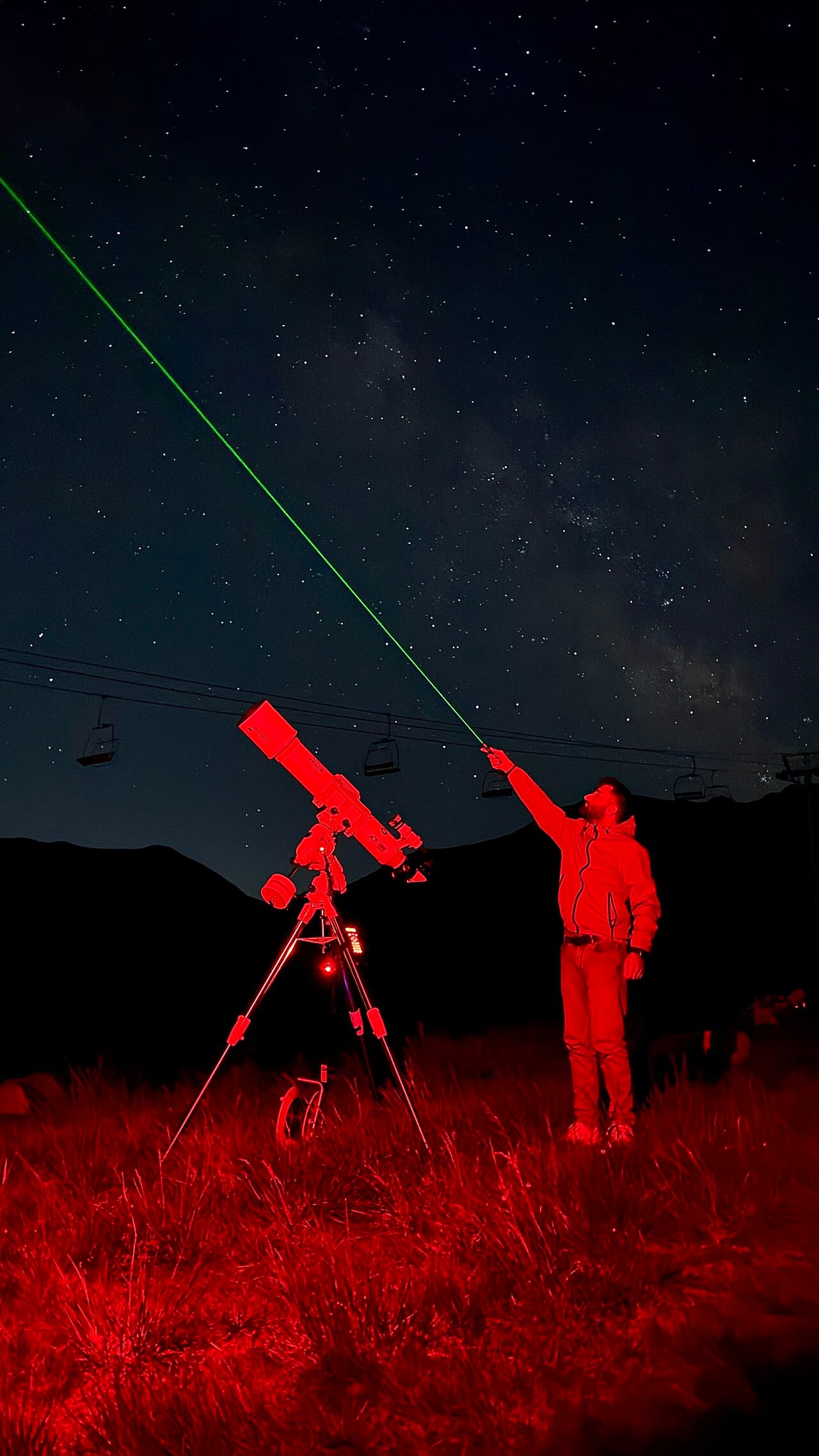

A stargazing tour sounds self-explanatory until you try to book one. Then suddenly you are comparing observatory programs, desert telescope sessions, full-moon walks, hotel add-ons, astrophotography nights, and generic “night sky experiences” that may or may not be dark enough to justify the effort.
The right way to choose is not by prettiest listing photo. It is by trip objective. If your goal is your best shot at a deep dark sky and telescope views, book a fixed-site desert operator or observatory program near new moon. If your goal is comfort and low friction, a lodge-based add-on can work. If your goal is the Milky Way specifically, avoid anything built around full moon atmosphere.
The three stargazing tour types that matter
| Tour type | Best for | Main trade-off |
|---|---|---|
| Fixed-site desert telescope tour | Most first-timers who want real sky quality | Usually requires driving out and committing to late hours |
| Observatory-run public program | Travelers who want astronomy context plus infrastructure | Schedules are more rigid and often need earlier booking |
| Lodge or luxury add-on | Comfort-first travelers | Convenient, but not always the darkest or most serious sky experience |
This is where a lot of people get tripped up. They shop for romance language and “magical night sky” adjectives instead of looking at what the operator is actually selling: telescope access, moon-phase sensitivity, total duration, weather policy, transport burden, and whether the site is chosen for real darkness or just convenience.
Best stargazing tour for most travelers
For a first serious night, choose either a fixed-site telescope operator in a genuinely dark area or an observatory-run public program. The operator should state program length, equipment, group format, moon sensitivity, and the cloudy-night policy before checkout. A pretty listing photo is not enough.
DarkSky International recommends planning for minimal light pollution, clear weather, and a new moon or a time when the moon is below the horizon. That does not mean every full-moon program is bad. It means a bright-moon walk and a deep-sky telescope night solve different problems, so they should not be sold—or bought—as substitutes.
Choose the tour format before choosing the operator
SearchSpot can compare telescope access, astronomy depth, comfort, transport, moonlight, and weather policies around your actual trip.
Compare my stargazing tour options
When an observatory program beats a generic night tour
Observatory-run experiences win when you want structure, astronomy explanation, and hardware context, not just a pretty night outside. McDonald Observatory’s public programs are a good example. You are not only looking up. You are stepping into a site with a clear daytime-versus-night program logic, defined guided experiences, and seasonal scheduling that reflects actual astronomy conditions.
If your trip has a strong science angle, that often beats a more casual resort or park add-on. The downside is flexibility. Observatory programs are less casual, more capacity-limited, and sometimes need booking well in advance.
When a lodge add-on or comfort-first tour is good enough
Comfort-first tours are not fake. They are just built for a different customer. If your group includes kids, non-enthusiasts, or people who are not going to tolerate a long late-night drive, a softer version of stargazing may be the smarter booking. The mistake is expecting it to perform like a true dark-sky outing.
Use the comfort-first version when the night sky is one layer of the trip, not the central purpose. Do not use it when you are flying somewhere specific because you want your best odds of a genuinely dark, telescope-led experience.
Moon phase matters more than the operator description
DarkSky’s own travel guidance and certified dark-sky place advice repeatedly point travelers back to the same truth: if you want the strongest sky, plan around new moon and after astronomical twilight. Bryce Canyon’s current tour calendar says the darkest dates sell out first. That is exactly what you would expect. Darkness is inventory.
So the smart booking order is:
- Pick the moon window first.
- Pick the dark-sky region second.
- Pick the operator third.
Most travelers do the reverse, then wonder why the “best stargazing tour” they found turned out to be scheduled under a bright moon.
How to judge a stargazing tour operator
Look for four concrete answers: what equipment you use, how long live observing lasts, what replaces telescope viewing under clouds, and whether you can cancel or reschedule. Also check group size, toilets, seating, walking, altitude, temperature, return transport, and the latest possible finish.
McDonald Observatory is a useful benchmark because its official Star Party page separates the constellation tour from telescope viewing, gives an approximate two-hour duration, tells visitors to arrive early, and explains cloudy-night alternatives. Your chosen operator need not copy that format, but it should be equally clear about what happens when conditions fail.
Booking checklist
- Confirm whether the ticket promises live telescope views or only an indoor astronomy program.
- Read the weather, refund, and rescheduling rules before paying.
- Check moonrise and moonset for the exact location and date.
- Plan warm layers, a late finish, and safe transport back.
- Add a second viable night when the sky is a main trip objective.
How long to stay if the sky matters
If a stargazing tour is a core reason for the trip, one night is not enough unless you are comfortable with weather risk. Two or three nights is far safer. Astronomy travel is unforgiving because conditions, moon phase, and fatigue all matter at once. A single-night plan can work, but it is the high-variance version.
That matters even more in places where the tour itself is excellent but the drive or altitude makes the night tiring. The best tour in the wrong trip structure can still feel like a bad decision.
Final call
The best stargazing tour for most travelers is a fixed-site dark-sky operator or observatory program booked near new moon, with enough trip slack that weather does not make the whole thing feel fragile. Book comfort-first or full-moon experiences only when atmosphere matters more than raw sky quality.
If you make the moon phase your first filter and the operator your third, you already outrank most of the internet’s stargazing advice.
Build weather and moon risk into the trip
Turn sky darkness, moon timing, late-night driving, and a backup night into one workable stargazing plan.
Build my stargazing trip
Check before you go
Hours, prices, access rules, program formats, and closures can change. Recheck these official pages before paying or traveling.
- DarkSky International: moon, weather, location, and Milky Way planning guidance
- DarkSky International: trip timing, local programs, and current-condition checks
- McDonald Observatory: current Star Party format, duration, reservations, and cloudy-night alternatives
- McDonald Observatory: current weather and refund guidance
Turn this research into a real trip plan
SearchSpot helps you compare stays, routes, neighborhoods, and decision tradeoffs in one planning flow so you can move from reading to booking with more confidence.