
Ryokan Japan: When the Stay Is Worth It, Where It Fits, and What First-Timers Get Wrong
A ryokan can be the best night of a Japan trip, or an expensive mismatch. Here is how to decide where it fits, what you are paying for, and what first-timers usually miss.

Japan rewards detail, and that is exactly why booking a ryokan can feel more stressful than exciting. On paper it sounds simple: spend one night in a traditional inn, wear the yukata, take a bath, eat a beautiful dinner, move on. In practice, the wrong ryokan can eat a big chunk of your budget, lock you into rigid meal times, and leave you wondering why you paid a premium for a night that never really fit your route. The right ryokan does the opposite. It slows the trip down at the right moment, gives you a clean cultural reset, and makes the travel day itself feel intentional instead of exhausting.
The useful question is not whether you should stay in a ryokan at all. For most culture-focused Japan trips, you probably should. The better question is where one ryokan night does the most work. Usually that means pairing it with an onsen town, a mountain stop, or a slower regional leg where dinner, breakfast, and the bath are the point, not a side activity squeezed into an overpacked city day.

The Short Answer: book one great ryokan night, not three random traditional ones
If this is your first Japan trip, the smartest move is usually one carefully chosen ryokan stay of one or two nights, ideally in a place where an onsen, regional meal, and slower pace all make sense together. You do not need to turn every city into a traditional accommodation experiment. In Tokyo and Osaka especially, a standard hotel often works better for station access, laundry, late dinners, and flexible mornings. Save the ryokan spend for the part of the route where you want the atmosphere to matter.
| Trip shape | Best stay style | Why it works |
|---|---|---|
| Fast first-timer route, Tokyo to Kyoto to Osaka | One ryokan night only | Gives you the cultural experience without making every transfer day more rigid |
| Onsen town stop, mountain stop, or rural detour | Ryokan for one or two nights | Dinner, bath, and slower pacing become part of the value |
| City-heavy food and museum trip | Mainly hotels, maybe one ryokan splurge | Better for luggage, station access, and flexible schedules |
| Couples trip built around privacy and downtime | Higher-end ryokan or private-bath ryokan | The stay becomes a major part of the trip, not just accommodation |
Plan your Ryokan Japan stay without drowning in tabs
SearchSpot compares stay styles, route logic, and timing trade-offs so you can choose the ryokan night that actually improves the trip.
Plan your Ryokan Japan trip on SearchSpot
What you are actually paying for in a ryokan
A ryokan is not just a room with tatami. The price is usually wrapping together several things a hotel separates out: a traditional room setup, a service rhythm built around your arrival and meals, access to baths, and a dinner and breakfast experience that often uses regional ingredients. That is why headline room rates can look high if you compare them to a business hotel. You are often paying for two meals and the slower hospitality structure, not only the bed.
That structure is exactly why ryokan value depends on fit. If you are arriving late, leaving early, and spending most of the day in a city anyway, you are paying for rituals you will barely use. If you are arriving by mid-afternoon, bathing before dinner, eating on property, sleeping early, and waking into a calm breakfast, the same price suddenly makes much more sense.
What is usually included
- Dinner and breakfast, often in a set schedule
- Yukata or loungewear for moving around the property
- Access to a shared bath, and sometimes access to a reservable private bath
- Tea, small arrival snacks, and a more hands-on check-in
What travelers miss
- The price is commonly per person, not per room
- Meal timing can be strict, which matters if your train day runs late
- Some cheaper options are technically ryokan but deliver very little of the classic atmosphere people imagine
- Some urban properties use the ryokan label while functioning more like boutique hotels with tatami touches
Where a ryokan night fits best on a real Japan itinerary
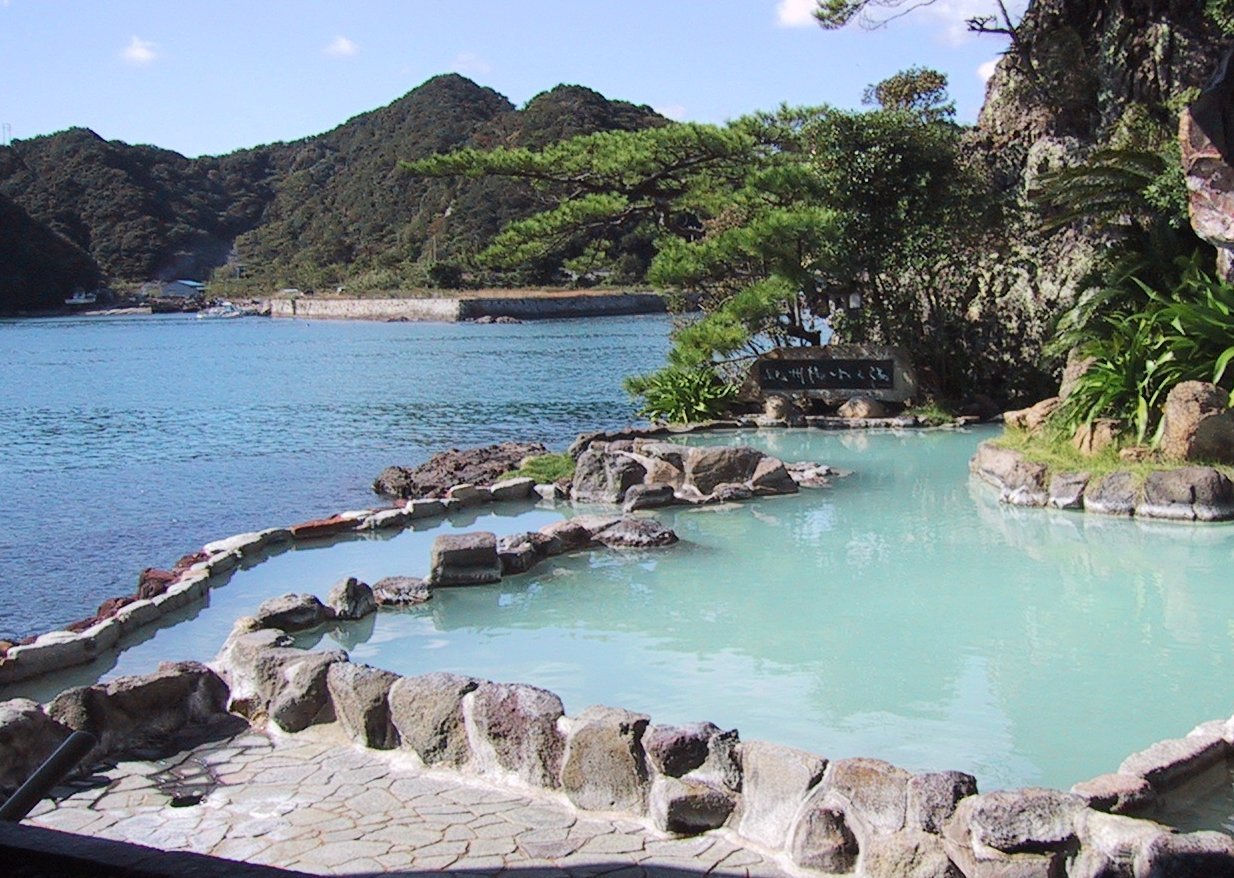
The strongest ryokan nights usually land in one of three places. First, in classic onsen areas where the bath culture is part of why you came. Second, in slower cultural bases where you want the accommodation to feel distinct from your city nights. Third, at the emotional midpoint of the trip, when you need a reset from stations, crowds, and constant choices.
If your route already includes a hot spring town, that is usually the easiest yes. If it does not, think about whether you want your traditional night in Kyoto because the atmosphere matters, or outside the biggest cities where the contrast is stronger. Kyoto can absolutely deliver memorable ryokan stays, but it is also where many travelers pay the highest premium for the most compressed experience. If your Kyoto days are packed from dawn to late evening, a hotel can be the smarter choice there and the ryokan can move to a place with more breathing room.
What first-timers usually get wrong
They book the ryokan for the wrong night
The worst ryokan night is the one attached to a stressful transfer. You do not want to reach the inn after dark, half-drenched, hungry, and worried about missing dinner service. Put the ryokan on a day with a manageable arrival window, ideally before 5 or 6 p.m., and let that afternoon belong to the property.
They assume every ryokan should feel formal and expensive
You do not need a legendary luxury property to get the cultural experience. A well-run mid-range ryokan with strong meals, a peaceful bath, and good route fit usually beats a prestige booking that stretches the budget and adds pressure.
They treat the bath like an optional extra
Even if you are nervous about bathing etiquette, the bath is part of why the stay works. If shared baths feel intimidating, choose a property with a reservable private bath or a room with its own bath. Solve the discomfort in advance rather than paying for a ryokan experience you end up using only halfway.
They forget the luggage problem
A ryokan night is easier when your big suitcases are not dragging through stairs and transfers. This is one of the best moments in the trip to use luggage forwarding or travel with one smaller overnight bag.
When a hotel is the better decision
Pick the hotel when your day begins early, ends late, and revolves around transport efficiency. Pick the hotel when you need laundry, a gym, easier remote-work space, or the freedom to eat whenever you want. Pick the hotel when you are in a neighborhood because it shortens daily transit. That is not a compromise. It is good trip design.
The right way to think about ryokan vs hotel in Japan is simple: hotel for momentum, ryokan for intentional pause. Once you frame it that way, the choice gets easier.
My recommendation
If this is your first culture-heavy Japan trip, book exactly one ryokan stay that is easy to reach, supports an earlier arrival, and makes dinner and bathing part of the plan. If the trip is two weeks or longer, a second ryokan night can work, but only if it supports a genuinely different region or atmosphere. What rarely works is sprinkling traditional stays across major cities just because they look photogenic on booking pages.
What to book first if you want the ryokan night to feel smooth
Once you decide the ryokan is a core memory, treat it like the fixed point, not the last decorative add-on. The best room types, especially the ones with stronger views, private baths, or meal inclusions travelers actually want, usually disappear before ordinary hotel inventory. If the emotional point of the stay is slowing down properly, you need the right room and arrival window, not just the right town name.
The second booking decision is baggage strategy. A ryokan works best when you arrive lightly, check in on time, and have enough mental space to notice the details you are paying for. If your trip includes large suitcases and multiple city stops, this is often the moment to use luggage forwarding. That one decision can turn the stay from mildly stressful to genuinely restorative.
The third decision is meal fit. Some travelers want the full kaiseki progression and see it as the center of the experience. Others mainly want the bath, the room, and a sense of quiet. If you secretly belong in the second group, forcing yourself into a dinner format you are too tired for can make the evening feel more ceremonial than enjoyable. A lot of disappointment around ryokan pricing comes from paying for a version of the stay that does not match how you actually travel.
Common mistakes that make a ryokan feel overpriced
Arriving too late
Late arrival is the fastest way to flatten the value of a traditional stay. If dinner is included, timing matters. Even when dinner is not part of the rate, getting in late means the bath, room, and neighborhood all become compressed into a rushed evening.
Putting the ryokan after the hardest day
Travelers often schedule the ryokan after a punishing transfer because it sounds restorative on paper. That can work, but only if the transfer is still manageable and you protect the arrival time. If you land exhausted, miss the rhythm of the property, and wake up early to leave again, you are paying premium money for a stay you barely inhabited.
Booking it in the wrong place
A ryokan in a giant city can be pleasant, but it is often not the cleanest first experience. Traditional accommodations tend to feel strongest where the wider setting supports the mood, whether that means mountain air, an onsen town, a garden area, or a slower regional base. Travelers usually remember the combination of place and stay, not the tatami alone.
How I would fit one ryokan into a first Japan trip
For most first-timers, one ryokan night belongs between two faster sections of the trip. Do Tokyo, then a ryokan or onsen stop that feels reachable without heroic transit, then continue to Kyoto, Osaka, or another major base. That sequence gives the stay contrast and lets it reset your energy. If you are trying to do two weeks with a strong culture focus, a second ryokan can work, but only if it earns its place with a different atmosphere, not just another expensive room with floor seating.
FAQ
Is Ryokan Japan worth it for one night?
Yes, one night is enough if the stay is placed well. It is usually the cleanest way to get the experience without overcommitting your route or budget.
Should you do a ryokan in Tokyo?
Only if you specifically want an urban version of the experience. For most first-timers, a ryokan or onsen stay outside the biggest cities feels more memorable and less compromised.
Are meals always included in a ryokan?
Often yes, but not always. You should check carefully because dinner and breakfast shape both the value and the timing of the stay.
What if public bath etiquette feels stressful?
Book a place with a reservable private bath or an in-room bath. Solve that concern before arrival instead of hoping it will feel easy in the moment.
Plan your Japan culture trip without drowning in tabs
SearchSpot compares stay styles, seasonal timing, and route trade-offs so you can make cleaner Japan decisions faster.
Plan your Ryokan Japan trip on SearchSpot
A ryokan should make the trip feel more grounded, not more performative. Choose the night that deserves slower time, and the whole Japan route tends to get better around it.
Turn this research into a real trip plan
SearchSpot helps you compare stays, routes, neighborhoods, and decision tradeoffs in one planning flow so you can move from reading to booking with more confidence.