
New River Gorge Climbing: Best Season, Basecamp, and Grade Fit

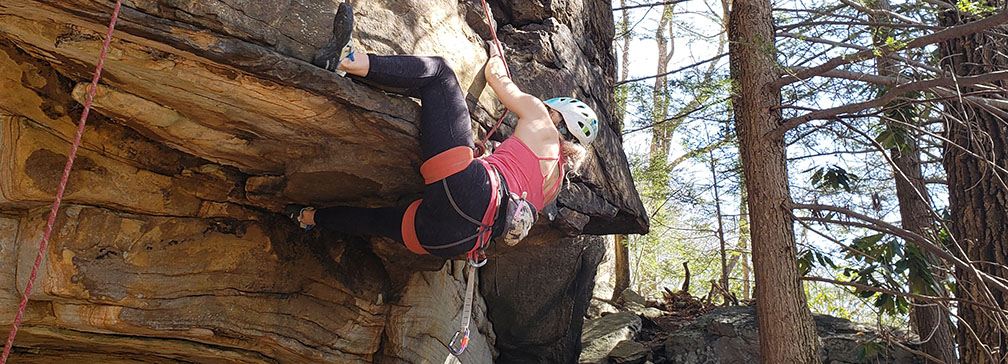
New River Gorge climbing gets recommended constantly, and usually for the right reasons. The rock is excellent, the scenery is real, and the route density is high enough that you can build a whole trip around it. What gets glossed over is that the New is not an East Coast version of easy vacation climbing. The grades lean serious, weather windows matter, and the difference between a good trip and a frustrating one often comes down to whether you were honest about what level of climber the area actually rewards.
If you climb solid 5.10 or better, like steep sandstone, and want a destination that still feels like a real climbing trip rather than a polished outdoor resort, the New is a very strong yes. If your group needs a destination packed with forgiving beginner terrain, it is probably not your sharpest choice.
| Question | Best call | Why it wins |
|---|---|---|
| Best season | Late April to mid June, then mid September to late October | Those windows balance temperatures and workable conditions best. |
| Best base | Fayetteville for comfort, private campgrounds for convenience, park campgrounds for minimalism | Each option changes recovery, showers, and drive times. |
| Best climber fit | Intermediate to advanced climbers, especially 5.10 and up | The area skews toward harder, more technical climbing. |
The fast decision
The New is best for climbers who want a legitimate sandstone trip without West Coast flight friction. It is especially good for partners who like technical climbing, are comfortable with grades that feel earned, and want a trip where sport, trad, and strong local climbing culture all show up in the same place.
It is less ideal for brand-new outdoor climbers building their first self-guided week. There are beginner options, but the broad character of the area is not beginner mecca. If your crew mostly climbs 5.8 and hopes a famous area will naturally produce soft, abundant warmups, you should rethink the fit.
When New River Gorge climbing is actually best
Late spring is strong, but not rain-proof
Late April through mid June is one of the official sweet spots, and for good reason. Temperatures make sense, the forest looks alive, and long days give you room to recover from a slow start or move to a new wall. The tradeoff is obvious: spring can still bring rain. If you choose spring, build a plan that can absorb weather rather than collapse under it.
Early fall is the clean recommendation
Mid September through late October is the easiest answer for most travelers. Temperatures are comfortable, humidity eases off, and the whole area feels more stable as a trip-planning bet. If you are only doing one New River Gorge trip and want the highest odds of a smooth experience, early fall is the clearest call.
Summer and winter are niche choices
Summer can still work, especially if you know how to chase shade or spend time near cooler options around Summersville, but it is not the classic trip window. Winter is climbable on the right days, yet not the best period for a planned multi-day destination trip unless you are specifically comfortable with cold-weather improvisation.
| Season window | What works | Main downside |
|---|---|---|
| Late Apr to mid Jun | Great temps and long days | Rain can reshape the whole week |
| Mid Sep to late Oct | Best all-around trip window | Popular periods book up faster |
| Summer | Selective cragging and mixed-activity trips | Heat and humidity blunt the destination |
| Winter | Sun-chasing local style days | Not the most reliable travel window |
Where to stay, and which base fits which trip
Fayetteville is the easiest all-around answer
If you want the adult version of a New trip, stay in or near Fayetteville. It keeps food, coffee, showers, and post-climb recovery straightforward. This is the right answer for mixed groups, longer stays, and climbers who know that better sleep often beats dirtbag purity by day three.
Private campgrounds are the best compromise
The New has plenty of climbers who want camp energy without losing access to showers and support. That is where nearby private campgrounds win. You stay close to the scene, keep logistics simpler, and avoid some of the friction that comes with fully primitive setups.
Park campgrounds are for people who mean it
The national park campgrounds are primitive and first come first served. That can be perfect if you are self-contained and happy with a more minimal trip. It is less perfect if you are flying in, hoping to improvise, or assuming primitive means casually convenient. It does not.
Plan your climbing trip with fewer access surprises
SearchSpot compares climbing destinations, stay strategy, and route logistics so you can pick a crag trip that actually works on the ground.
Plan your New River Gorge climbing trip on SearchSpot
Grade fit, and why this matters more here than people admit
The New is famous for a reason, but it is not famous because it makes everyone feel strong. A lot of the area’s best-known climbing leans technical and serious, and most routes are 5.9 or harder. That immediately changes who should treat the destination as a performance trip and who should treat it as a skills or experience trip.
If your team climbs 5.10 or 5.11 outside with confidence, the New makes obvious sense. If you are below that and still want to go, shape the trip around learning, a guide, or a broader outdoor weekend instead of expecting endless mellow mileage.
Access rules and practical ground truth
There are a few realities worth treating as non-negotiable. Park only in designated spots. Respect private property, which is a real issue in this region. Use existing trails whenever possible, and do not build the trip around casual trespass logic just because you saw something online. The park also bans recreational climbing at Grandview, which matters if you are building a wide-area itinerary and assuming every scenic wall is fair game.
Primitive camping rules matter too. If you are camping on park property, do it where and how the park allows. This is not a place to invent your own stealth setup near trailheads or cliff rims. The clean trip is the better trip.
The recommendation
Choose the New when you want a serious sandstone trip with a strong East Coast identity, excellent climbing culture, and enough variety to build several good days in a row. Go in early fall if you want the most reliable answer. Go in late spring if you can tolerate some weather volatility. Base in Fayetteville if you care about recovery. Camp primitively only if you actually want the tradeoff, not because it sounds authentic.
The New is worth it, but it is best for climbers who want honest terrain and plan with that honesty. If that sounds like your kind of trip, it is one of the smartest climbing calls you can make east of the Rockies.
Plan your climbing trip with fewer access surprises
SearchSpot compares climbing destinations, stay strategy, and route logistics so you can pick a crag trip that actually works on the ground.
Turn this research into a real trip plan
SearchSpot helps you compare stays, routes, neighborhoods, and decision tradeoffs in one planning flow so you can move from reading to booking with more confidence.