
Mount Lemmon Observatory: Day Tour or SkyNights, How to Handle the Drive, and Who This Trip Actually Fits
Compare a Mount Lemmon day tour with SkyNights, then plan the high-elevation drive, weather fallback, clothing, and Tucson base honestly.

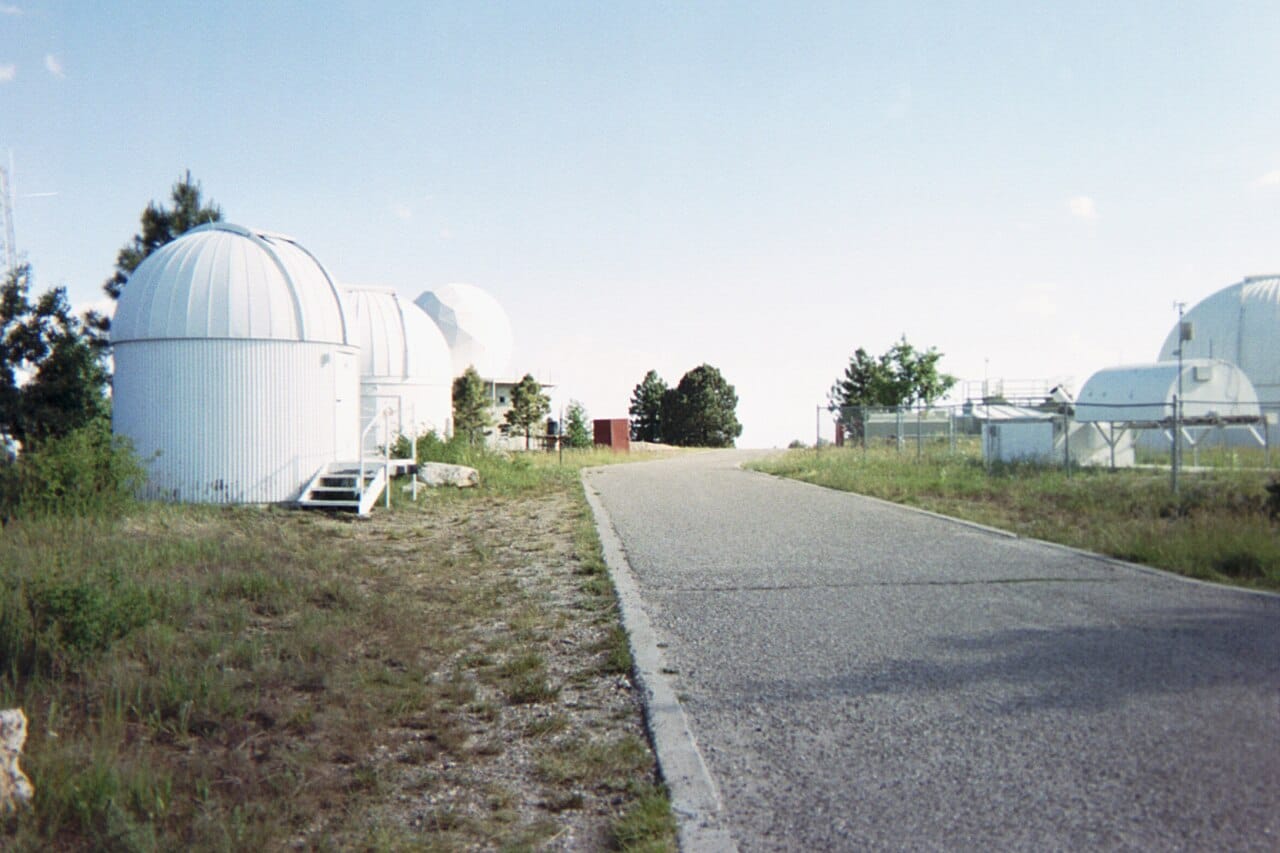
_Mountlemmonobservatory.JPG)
Mount Lemmon Observatory is the kind of astronomy trip people romanticize without planning properly. They see Tucson on a map, assume the observatory is a quick evening add-on, then discover the real decision is whether they are booking a daytime learning stop or a full high-elevation night program that deserves its own day shape.
The clean answer is this: book SkyNights if stargazing is the point of the trip. Book the daytime tour if you mainly want a mountain day with real telescope context. Those are not interchangeable products, and treating them like they are is how people waste the best dark hours they came for.
The short decision first
- Choose the daytime tour if you want solar viewing, observatory context, and a family-friendly science stop.
- Choose SkyNights if you want the trip to feel like a real observing experience and are willing to give the mountain the evening.
- Do not book on autopilot for very young children. The SkyCenter ticket policy says the minimum age is 7.
- Build extra buffer around the drive because the point is the mountain setting, not rushing up the mountain at dusk.
| Program | Best for | Duration | Reality check |
|---|---|---|---|
| DayTour | Families and travelers adding astronomy to a Tucson trip | Daytime, lighter commitment | Great science context, but not the full dark-sky payoff |
| SkyNights | Travelers who want the night sky to be the main event | 5 hours | Needs energy, weather flexibility, and a real evening slot |
Why the program choice matters more than the mountain name
The SkyCenter itself explains the split clearly. The daytime tour focuses on observatory history, current research, facilities, and solar observing. SkyNights is the real night program, runs about five hours, begins two hours before sunset, and is capped at small-group scale. If you want to look back on the trip as a proper astronomy night, SkyNights is the answer.
The daytime program is not a consolation prize. It is the smarter fit for travelers who are already balancing hiking, Tucson dining, and a scenic mountain drive. The mistake is assuming a daylight visit gives you the same emotional payoff as a dark-sky session. It does not.
Choose science stop or observing night
SearchSpot can compare program payoff, age fit, weather risk, drive effort, and the rest of the Tucson itinerary.
Compare Mount Lemmon programs
Mount Lemmon Observatory night logistics that deserve their own plan
The official SkyNights page says to allow roughly 90 to 120 minutes from central Tucson. The five-hour program begins two hours before sunset, and late arrivals or early departures cannot be accommodated. Work backward from the confirmation time, then add fuel, a meal, and mountain-road margin before the official drive estimate.
Pack for the summit, not the Tucson forecast. The SkyCenter sits around 9,100 feet, and its policy warns that program temperatures can be 25 to 30 degrees colder than in Tucson. Closed-toe shoes and layers are practical even in warm months; from September through May, the ticket policy specifically prohibits shorts and open-toe shoes.
Weather does not always mean a simple refund. Depending on conditions, the SkyCenter may offer a modified Chance of Clear program, a reschedule, a partial refund, or the RemoteSky alternative in Tucson. Read the policy before choosing a nonrefundable hotel or building the next morning too tightly. Two Tucson nights remain the better trip shape when SkyNights is the main reason for traveling.
SkyNights is currently for ages seven and older, requires a participant waiver, and involves outdoor time plus movement between facilities. It is not described as strenuous, and seating exists in most areas, but some disability accommodations need advance notice. Contact the SkyCenter before buying if a traveler needs specific support rather than assuming the mountaintop setup will work on arrival.
What to know before you book
The official ticket policy is where the practical stuff hides. Minimum age is 7, and the SkyCenter explicitly tells buyers to confirm they are purchasing the right program in the right location before checkout. That sounds obvious until you remember how often mountain attractions have multiple event types and seasonal returns.
The homepage also shows a seasonal wrinkle that matters: the SkyNights program returns in September. That means your month matters. If you are planning a summer Tucson trip and the night program is your whole reason for going, you need to check the live calendar before you build the rest of the itinerary around it.
How long to stay
If Mount Lemmon Observatory is one piece of a Tucson weekend, one dedicated day or evening is enough. If astronomy is the main point, stay at least two nights in the Tucson area. That gives you one night for the observatory program and one buffer night for rest, weather uncertainty, or a slower mountain day. Astronomy travel punishes overstuffed itineraries, and high-elevation night programs punish them even more.
I would not try to squeeze this into an arrival night after a late flight. The observatory works best when you are alert, warm enough, and not treating the drive back as an afterthought.
My recommendation
If you care about actually seeing the night sky through a serious public program, plan your trip around SkyNights and let Tucson be the base. If you mainly want the observatory story and a mountain science stop, take the daytime tour and keep the rest of your itinerary lighter. The bad version of this trip is trying to do both in one rushed sweep.
The right version is much cleaner: pick one program, give it enough room, and let Mount Lemmon be the point for that part of the day.
Protect the five-hour program from road stress
Sequence the mountain drive, arrival, clothing, fallback rules, and hotel return before sunset creates pressure.
Build my SkyCenter evening
Check before you go
Hours, entry rules, prices, tours, weather policies, road access, and closures can change. These official pages were checked on August 22, 2026; recheck them before paying or traveling.
Turn this research into a real trip plan
SearchSpot helps you compare stays, routes, neighborhoods, and decision tradeoffs in one planning flow so you can move from reading to booking with more confidence.