
Monterey Whale Watching Tours: Which Trip Length and Boat Style Are Actually Worth It?
Monterey whale watching tours are strongest when you choose the right season, the right boat style, and more than one shot on the water.

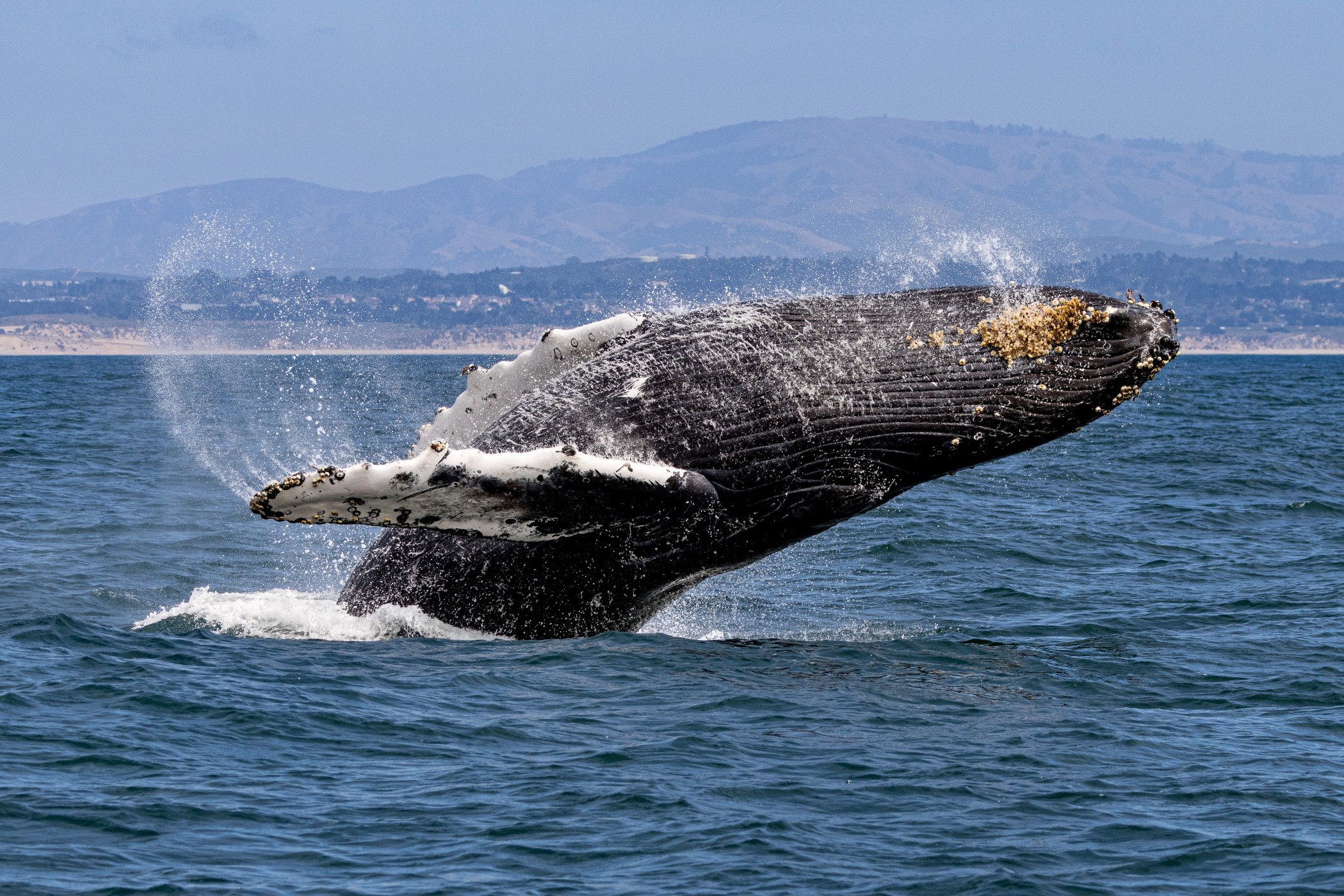
Monterey whale watching tours look easy to book until you realize the expensive mistake is usually not whether to go, it is how to go. Travelers fixate on operator names, then miss the decision that changes the day more: season, trip length, and whether their boat style matches their stomach and expectations. Monterey can absolutely deliver one of the strongest whale days on the West Coast. It can also feel cold, bumpy, and slightly underwhelming if you book the shortest trip on the wrong weather window and expect whales to appear on cue.
The decisive answer is this: Monterey is worth prioritizing if you care more about year-round species variety and feeding behavior than a perfectly calm cruise. The best setup for most travelers is a morning departure on a larger, semi-protected boat, with at least two mornings available in your itinerary if seeing whales really matters. Choose a smaller open craft only if the thrill and speed are part of the appeal, not just because it sounds more authentic.
| Question | Short answer |
|---|---|
| What is Monterey best for? | Travelers who want strong species variety and are willing to trade some comfort for better wildlife odds. |
| Best departure window? | Morning, because afternoon wind can make the ride rougher and the day feel longer in the wrong way. |
| One tour or two? | If whales are a real priority, give yourself two shots on different mornings. |
| Small boat or larger boat? | Larger boat for comfort and stability. Smaller boat only if you actively want the open-water feel. |
What Monterey actually does better than most whale trips
Monterey's edge is not a fake promise of certainty. Its edge is density and variety. The bay has multiple seasonal peaks rather than one narrow headline season, which is why local operators can honestly say the area has worthwhile sightings across the year. Discovery Whale Watch's season guide describes winter gray migration, spring orca potential, summer and fall feeding activity for humpbacks and blue whales, and a real year-round backdrop of dolphins and other marine life. Whale Alert's West Coast timing guide also shows Monterey as one of the cleaner places to think in species windows instead of one blunt best-month answer.
That matters because most travelers are not just trying to see a whale-shaped object in the distance. They are trying to feel that the trip had substance. Monterey gives you a better chance at that when the upwelling-driven feeding action is on. You are not only timing migration. You are timing a food-rich system that can hold whales in the area for longer stretches.
Best time for Monterey whale watching tours
| Season | What you are targeting | What this means for your trip |
|---|---|---|
| January to February | Southbound gray whales, mixed winter wildlife | Good if you want migration logic and do not mind colder, less forgiving conditions. |
| March to April | Northbound gray whales, mothers and calves, stronger orca conversation | A smart shoulder season if you care about migration drama more than warm weather. |
| May to June | Early humpbacks, blue whale potential, feeding season building | Great for travelers who want the season to turn without peak-summer crowd energy. |
| July to October | Regular humpback action, blue and fin whale potential | The easiest recommendation for most first-timers because the feeding pattern is the point. |
| November to December | Late feeding holdovers, early gray migration | Worth considering if Monterey is already on your route and you want lower-pressure timing. |
If you only have one clean shot and you care about the strongest all-around payoff, late summer into early fall is still the easiest answer. If gray migration is the dream and you are fine with colder, more technical-feeling weather, winter and spring can absolutely justify the trip.
Boat style matters more than operator slogans
This is where many travelers book badly. In Monterey, the difference between a day you remember fondly and a day you endure often comes down to exposure. Larger boats give you more stability, indoor or partially protected space, and an easier time if the Pacific is lively. Smaller or more open boats can feel thrilling and intimate, but they also multiply cold spray, wind, and nausea risk. That trade only makes sense if you genuinely like open-water adventure.
There is also a timing trade. Local operators openly note the afternoon northwest wind pattern in spring and summer. That is useful ecologically because it helps drive the upwelling that feeds the bay. It is less useful for passengers who assumed every departure feels the same. Morning trips are simply the safer default for comfort and focus.
Plan your Monterey whale watching trip with a better shot at a real sighting
SearchSpot compares season windows, sea-state tradeoffs, and trip shape so you can choose a Monterey whale watching plan that actually fits your tolerance and goals.
Plan your Monterey whale watching trip on SearchSpot
Where to stay and how many days to give yourself
If whale watching is the anchor, stay in Monterey or Pacific Grove, not somewhere that turns an early departure into a chore. Carmel is fine if it is part of a broader coastal trip, but it is not where the whale-watching logic lives. The simpler your morning, the better your odds of actually boarding rested and on time.
One tour can work if whale watching is a bonus item. It is the wrong approach if the wildlife outcome is emotionally important. Two mornings is the smarter structure because you are protecting yourself against wind, visibility, and ordinary wildlife randomness. The second departure is often what transforms the trip from hopeful to decisive.
When Monterey is the wrong call
Skip Monterey if you want the calmest possible outing, hate open-water motion, or only have patience for a short, tidy harbor cruise. Monterey is also the wrong fit if your California trip is built around San Francisco logistics and you are unwilling to drive south or spend a night near the bay. In that case, a San Francisco departure may be easier even if the conditions and wildlife pattern are not the same.
But if your real question is where you have one of the best shots at a serious whale day in California, Monterey is still one of the strongest answers. Just book the day that respects the bay instead of booking the cheapest ticket and hoping the ocean cooperates.
The clear recommendation
For most travelers, the winning Monterey move is straightforward: go in the morning, favor a larger boat unless you actively want an open ride, and give yourself two bookable mornings if wildlife is the point of the trip. If you do that, Monterey whale watching tours usually justify the effort. If you try to squeeze the whole experience into one convenient afternoon with zero weather buffer, you are letting luck make the decision for you.
Make your Monterey days line up before the wrong slot sells out
SearchSpot helps you compare whale season, ride comfort, and route fit so your Monterey whale watching tour matches the trip you are actually taking.
Build your Monterey whale watching plan on SearchSpot
Sources checked
Turn this research into a real trip plan
SearchSpot helps you compare stays, routes, neighborhoods, and decision tradeoffs in one planning flow so you can move from reading to booking with more confidence.