
Michelin Guide Seoul: Why Gangnam Wins, and How to Pace a Seoul Fine-Dining Trip
Seoul has Michelin depth now, but the trip still works best when Gangnam does the heavy lifting. One anchor table, one lighter ambition, and a hotel base that keeps nights clean is the play.

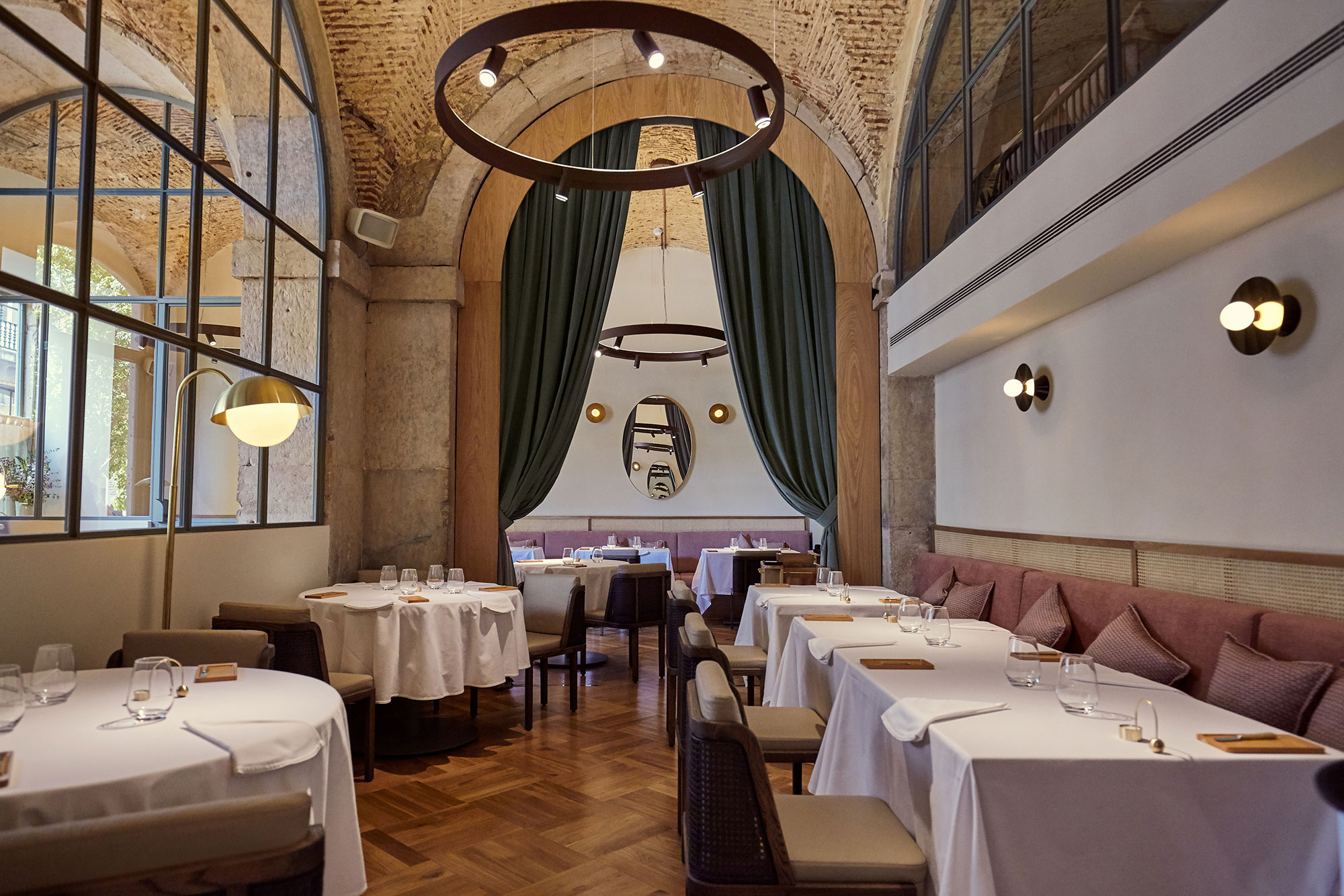
Seoul is one of the easiest cities to underestimate from a Michelin-planning perspective. The transit is good, the city is huge, and travelers often assume they can scatter reservations across districts without consequence. That is the wrong read. If you are searching michelin guide Seoul, the first useful fact is simple: the starred scene is dense enough now that your hotel choice matters more than most roundup articles admit.
My clear answer is this: Gangnam is the smartest first base for a Michelin-focused Seoul trip. Michelin's own neighborhood and travel framing keeps bringing you back there for a reason. The density of serious dining, luxury hotels, and clean late-night movement gives Gangnam the advantage. You can absolutely build a strong trip elsewhere, but if you want the safest first decision, start there.
| Your priority | Best move | Why it wins |
|---|---|---|
| You want the deepest access to starred dining | Gangnam | The district holds the city’s richest Michelin concentration and keeps late nights simpler. |
| You want one hotel-led luxury meal and easier classic sightseeing | Jung-gu | This works if a flagship hotel restaurant is the main event, not if you want the broadest dining cluster. |
| You want a design-heavy neighborhood with more casual contrast | Seongsu | Great for texture, weaker as the main Michelin base. |
Why Seoul is now a serious Michelin city, not a novelty stop
The 2026 Michelin Guide Seoul and Busan edition pushed Seoul to 42 starred restaurants, alongside a large Bib Gourmand and selected ecosystem. That matters because it changes how you should think about the city. Seoul is no longer a place where one headline restaurant defines the whole conversation. It is a city where you can build a coherent, high-level food trip if you respect the geography.
What that does not mean is that you should schedule the trip like a collector. Seoul is big enough, shopping-heavy enough, and culturally dense enough that a pure reservation sprint gets old quickly. The win is one anchor dinner, one secondary ambition, and enough room for Korean meals that do not ask for formal pacing.
Why Gangnam wins first
Michelin's own Seoul travel guidance keeps pointing to Gangnam, Cheongdam, and nearby luxury corridors because the density is real. That gives you options if one booking misses, and it means you can move between hotels, bars, and restaurants without burning the night on transit. For a traveler who wants the highest odds of a smooth Michelin-focused stay, that is a huge advantage.
There is also a psychological win here. Seoul can feel overwhelming if you fragment it too early. Gangnam gives structure. You can still go north for culture and classic sightseeing, but your nights remain controlled.
Which reservations are worth building around
La Yeon remains the cleanest example of a true Seoul anchor because it pairs star power with hotel infrastructure. If you want one polished, high-formality night, hotel-based Michelin dining solves a lot. Mingles, Jungsik, and other major Seoul names play a different role. They work best when you already accept that Gangnam is doing the logistical heavy lifting and you are comfortable letting the rest of the trip stay more fluid.
My advice is to choose one restaurant that justifies the hotel and flight logic. Then let the second reservation be opportunistic. Seoul gives you enough strength outside the starred tier that you do not need every premium dinner to be a masterpiece in order for the trip to feel like a win.
Plan your Seoul food trip without scattering the city
SearchSpot helps you compare Gangnam versus other stay zones, reservation density, and meal pacing so your Seoul Michelin trip stays coherent.
Plan your Seoul Michelin trip on SearchSpot
How many major meals fit in Seoul
Two major Michelin-level meals fit on a four-night Seoul trip. Three can fit if you treat one as lunch and keep the rest of the schedule light. More than that usually means you are missing one of Seoul's real pleasures, which is contrast. A food trip here should include polish and intensity, but it should also leave space for simpler Korean meals, cafés, and neighborhood time.
That contrast is exactly why Seoul works so well as a Michelin city. You can go from a formal dining room to a more casual, specific, deeply satisfying meal the next day without feeling like the trip lost status. In fact, that mix is what makes the city feel intelligent rather than performative.
Where travelers get it wrong
- They split the hotel stay too aggressively and turn each reservation into a moving-target problem.
- They assume the metro makes every late dinner equally easy. It helps, but it does not erase city scale.
- They overspend attention on prestige and underspend it on neighborhood logic.
- They forget that Seoul is a better food city when fine dining is part of the trip, not the whole personality of it.
The recommendation
Base in Gangnam for a first Michelin-focused Seoul trip, choose one dinner that deserves to lead the itinerary, and let the second big reservation happen only if the rest of the trip still feels balanced. Seoul has the depth now. Your job is not to prove that. Your job is to build a trip shape that lets that depth feel exciting instead of exhausting.
Build the Seoul version that still leaves room for the city
SearchSpot helps you compare stay zones, dinner anchors, and route choices before you lock a scattered Seoul plan.
Start planning your Seoul food trip on SearchSpot
Turn this research into a real trip plan
SearchSpot helps you compare stays, routes, neighborhoods, and decision tradeoffs in one planning flow so you can move from reading to booking with more confidence.