
Mexico Grand Prix: Where to Stay, Which Metro Stops Matter, and How to Pick the Right Stand
Mexico Grand Prix planning works best when you pair a central Mexico City base with a Metro-led circuit plan and the right stadium choice.

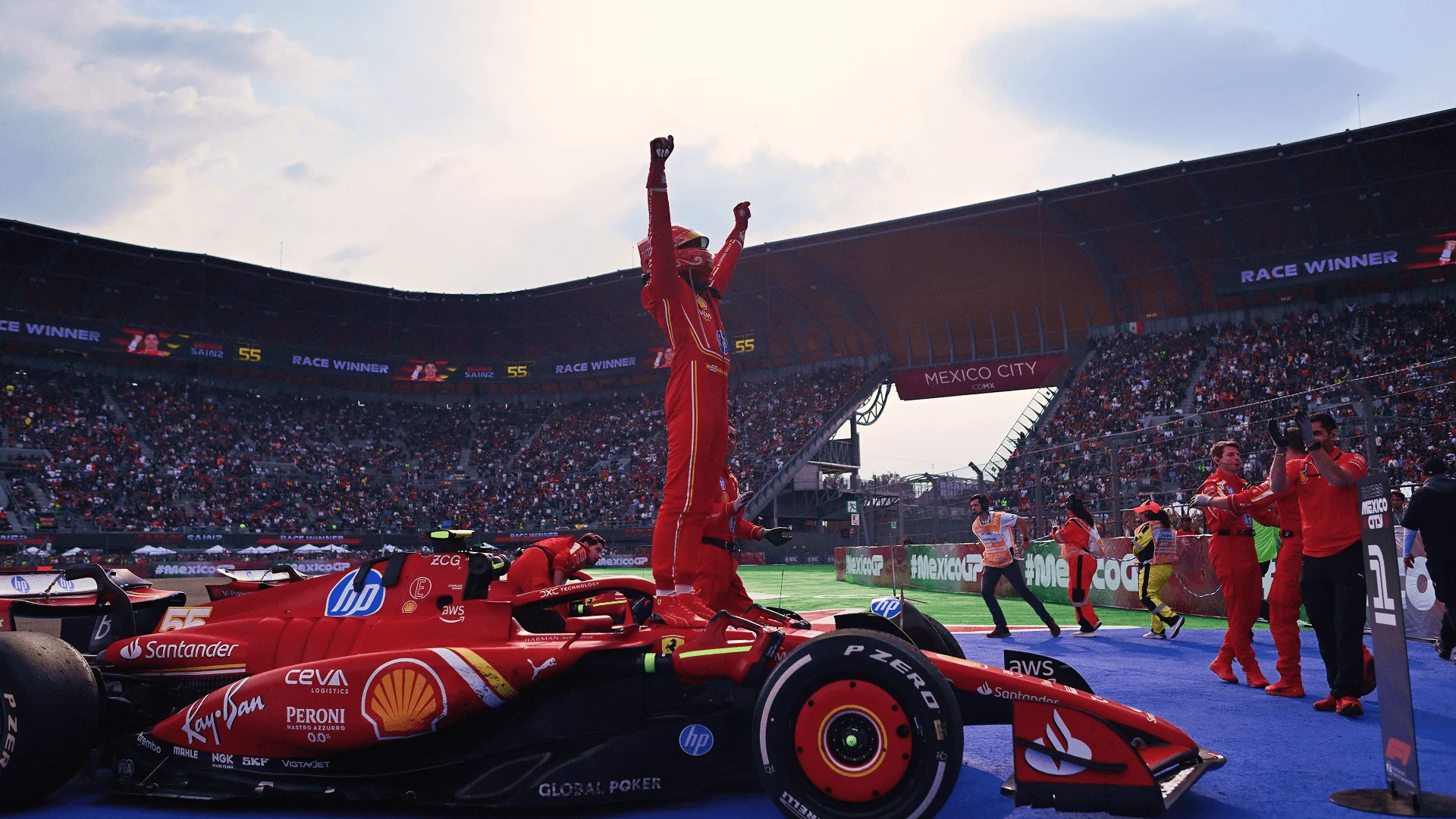
Mexico Grand Prix planning rewards one thing above everything else: respecting the city's transport reality. This is a brilliant Formula 1 weekend, one of the best atmospheres on the calendar, and one of the easiest races to overcomplicate if you start thinking like a private-car tourist instead of a race fan moving through Mexico City with 100,000 other people.
My blunt advice is this: stay in a central neighborhood you actually want to spend time in, then let Metro and Metrobús do the heavy lifting to Autódromo Hermanos Rodríguez. If you try to outsmart that plan with cars and door-to-door convenience fantasies, the city usually wins.
The short answer
| If this sounds like you | The right call | Why |
|---|---|---|
| You want the most visitor-friendly base | Stay in Roma, Condesa, or Reforma-adjacent central areas | You keep the trip enjoyable outside the circuit while staying connected to public transport. |
| You want the easiest circuit access | Build around Metro Line 9 or a clean connection into it | The Metro is the least painful way to reach the circuit. |
| You want atmosphere over almost everything | Aim for the stadium section | Mexico's crowd energy hits hardest there. |
| You are thinking about driving | Do not | The circuit does not reward private-car planning on race weekend. |
Where to stay for the Mexico Grand Prix
You do not need to stay next to the circuit. You need to stay somewhere pleasant that connects cleanly to transit. That is the key shift.
For most international fans, that means central neighborhoods with better hotels, better restaurants, and an easier non-race version of the trip. Roma and Condesa are the most obvious examples because they are comfortable visitor bases, lively without being exhausting, and easy to connect from into the Metro system that serves the race. Reforma-adjacent central hotels also work well if you prefer a more business-hotel style base with strong city access.
The reason I would not stay by the circuit itself is simple: the circuit is not the destination the way Marina Bay is in Singapore. Mexico City is the destination. The smart move is to sleep somewhere you will still enjoy after the sessions, then use transit intelligently rather than paying to be geographically closer to a venue that is built for rail and pedestrian inflow anyway.
If you are on a stricter budget, that same logic still holds. I would rather stay somewhere slightly less trendy but well connected than chase an awkward bargain that makes every morning and night feel harder.
Plan your Mexico Grand Prix weekend without getting trapped in race-day traffic logic
SearchSpot compares hotel base, circuit access, and ticket tradeoffs so your Mexico City plan works both at the track and after the chequered flag.
Plan your Mexico Grand Prix trip on SearchSpot
Use Metro first, not as a backup
The biggest Mexico Grand Prix mistake is trying to treat transport like a private-car problem. Official guidance keeps pushing fans toward the Metro, Metrobús, and other public options for a reason. The circuit does not want to be your parking puzzle.
Metro Line 9 is the anchor because stations like Velódromo, Ciudad Deportiva, and Puebla all put you in workable reach of the venue. Metrobús Line 2 also matters, especially if your hotel location makes that connection cleaner. Either way, the point is the same: let dedicated public transport lanes and rail do the work the streets do badly during race weekend.
Taxis and rideshare still have a role, but mostly as connectors, not as the whole strategy. If I were using them, I would use them to reach a better transit jump-off point or for off-peak movement, not to try winning a direct drop-off battle at the gates.
The good news is that Mexico City gives you the kind of transit option many race weekends do not. The bad news is that you only get the benefit if you commit to it early.
Which Mexico tickets are actually worth it
Mexico is one of the clearest examples of a race where atmosphere is part of the product, not just a nice bonus. That changes the seat conversation.
If I wanted the loudest, most unmistakably Mexican Grand Prix experience, I would start with the stadium section. It is dramatic, theatrical, and exactly the kind of memory most first-timers are actually flying in for.
If I wanted a more traditional race-view logic, I would look at the stronger braking and sequence sections before defaulting to pure spectacle. But I would still be honest with myself: Mexico's personality is part of the reason to go. Buying against that entirely feels like missing the point.
This is also a race where getting into the circuit efficiently matters almost as much as the seat itself. Official guidance tells you to use the gate that matches your assigned grandstand and get there with margin. That is not filler advice. It is how you stop the venue from feeling larger and slower than it needs to.
What first-timers usually get wrong
- They think staying closer to the circuit is automatically smarter than staying in a better central neighborhood.
- They try to drive or overuse rideshare even though the circuit is built to be approached by mass transport.
- They forget to match their gate strategy to their grandstand.
- They buy the seat first and only later think about how they are actually reaching it.
What I would book for myself
If I were planning the Mexico Grand Prix from scratch, I would stay in Roma or Condesa, or in a central business-hotel zone with an easy Line 9 connection. I would treat the city as part of the reward, not just the place attached to the circuit.
Then I would decide whether I want atmosphere or a more classic motorsport angle. If atmosphere, I lean stadium. If I want a more traditional viewing rhythm, I choose a seat around the action points and accept that I am giving up some of the signature noise.
What I would not do is book a remote hotel with a nice rate and tell myself I will sort the transport later. That is how a great urban race weekend turns into unnecessary admin.
The decision
The Mexico Grand Prix works best when you lean into what Mexico City already does well: central neighborhoods, big atmosphere, and public transport that is actually useful if you stop fighting it.
My first-timer call is central city base, Metro-led circuit plan, and a seat that respects how much atmosphere matters here. Do that, and Mexico starts feeling like one of the calendar's smartest big-city weekends, not just one of its loudest.
Need help deciding which Mexico City base and circuit approach gives you the best weekend?
SearchSpot compares Mexico Grand Prix hotels, transport, and seat tradeoffs so you can book the city and the race as one plan, not two separate headaches.
Compare Mexico Grand Prix options on SearchSpot
Sources checked
- Formula 1, how to get to and from the Mexico City Grand Prix
- Formula 1, Mexico City fan guide
- Mexico GP, official event page
- Mexico GP, official circuit travel information
- Mexico GP, official entry guidance
- GPDestinations, getting around the Mexico Grand Prix
Last checked: March 30, 2026
Turn this research into a real trip plan
SearchSpot helps you compare stays, routes, neighborhoods, and decision tradeoffs in one planning flow so you can move from reading to booking with more confidence.