
Inca Trail Permits 2026: When to Book and Which Route Sells Out
Treat Inca Trail permits as scarce, managed inventory—and check the current suspension and route notices before locking flights or paying an operator.

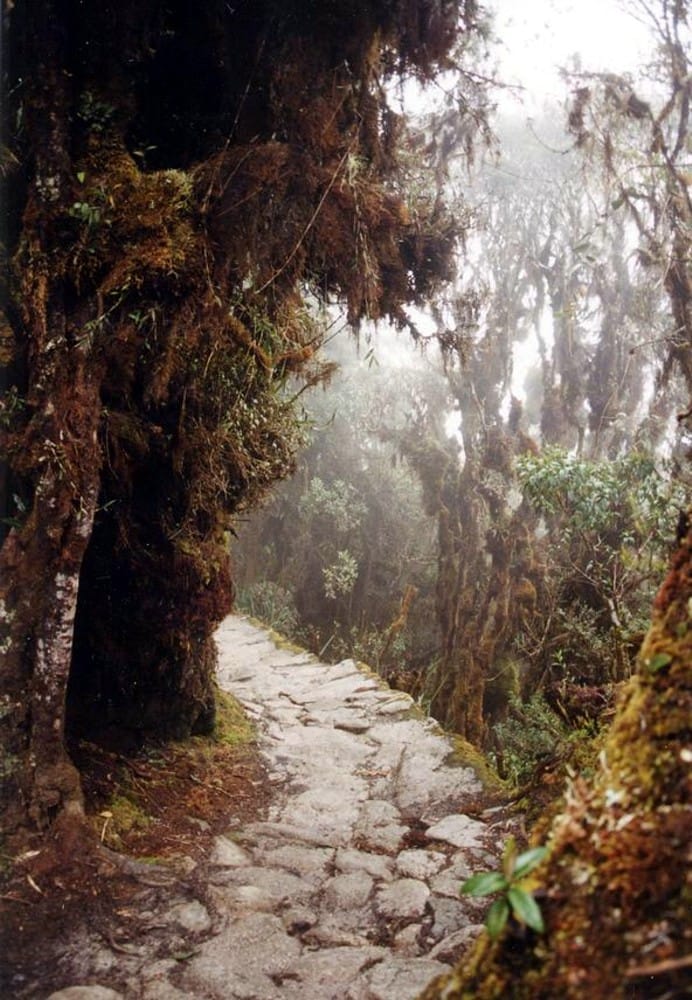

Inca Trail permits punish procrastination harder than almost any other ruins trip decision in South America. This is not a site where you show up, sort it out later, and trust that some operator somewhere will rescue the plan. If the trail itself is the point, the permit is the trip.
The decisive answer is simple: treat Inca Trail permits as limited route inventory that should be solved months before the rest of the Peru plan is fully polished. Travelers who wait for emotional flexibility usually end up with less real flexibility.
The short answer
The Ministry of Culture and Cusco culture authorities opened 2026 Inca Trail sales in November 2025, months ahead of travel, because this inventory is limited and date-specific. Official 2026 sales notices also showed route-by-route daily allocations rather than unlimited generic access. In plain English: if you want the trail, move early.
Official 2026 notices also confirm seasonal management. The network closed for February maintenance and reopened in March, and the Cusco culture site later announced the August 1, 2026 reopening of Route 5 after conservation work. That is the opposite of a plug-and-play attraction. It is a managed heritage route system.
| Question | Best planning answer | Reason |
|---|---|---|
| When to act | As soon as annual sales open, especially for peak season dates | Inventory is capped and route-specific |
| What to solve first | Trail permit, then flights and hotel polish | Without the permit, the trek version of the trip does not exist |
| What to watch | Route status, maintenance windows, and official availability notices | Access can change by route, not just by month |
What official 2026 notices tell you
The most useful signal from the official side is not a single romantic rule about the Inca Trail. It is the management pattern. Authorities announced 2026 sales well in advance. They published route-level availability. They handle reopening and closures in formal notices. And the SERNANP tourism-services portal is built around agencies, guides, and support staff inside the historic sanctuary system.
That last point matters because it tells you this is a regulated trail environment, not a casual self-service walk. Even where official snippets are less blunt than travelers might like, the structure itself makes the logic obvious: permits are controlled, named, and tied to a managed tourism system.
Check access before comparing trek packages
SearchSpot can compare route fit, operator logistics, permit timing, current notices, and fallback value before a package price becomes the decision.
Compare my Inca Trail options
Inca Trail permits do not override a current closure
As of August 23, 2026, the Cusco Culture Directorate says new entry to the Inca Trail network has been suspended since August 19 and remains suspended until further notice after unusual rain caused landslides, flooding, damaged facilities, and unsafe trail conditions. Travelers with near-term permits should not assume the date guarantees access. Contact the authorized operator, read the newest official notice, and confirm reprogramming or refund steps before traveling to a trailhead.
This temporary closure changes the immediate decision but not the permit lesson. The route is managed for conservation and safety, so access can change after purchase. Flexible Cusco and Sacred Valley nights, travel insurance terms that match the booking, and a non-trail Machu Picchu alternative belong in the plan from the beginning.
Verify the operator before paying
Official 2026 reservations opened through the Ministry of Culture system for travel agencies and operators, while SERNANP maintains a formal service module for agencies, guides, and support staff in the sanctuary. Ask the seller which authorized operator holds the reservation, what exact route and date are being requested, what identity details must match, and what happens if authorities restrict access.
A vague promise to “get a permit later” is not enough. Do not pay a package balance until the operator can explain the official reservation status, change rules, porter and guide structure, and how the Machu Picchu entry after the trek is handled. The permit is part of a regulated chain, not a transferable coupon.
What travelers usually underestimate
1. The permit decision comes before the rest of the romantic Peru planning
People want to finalize Cusco hotels, train back-ups, and restaurant shortlists first. That is backwards if the trail itself is non-negotiable. You can usually adjust the rest of Peru later. You cannot usually recover a sold-out high-demand trail date later.
2. Route management is real, not theoretical
When the official side talks about Route 5 reopening or February maintenance, that is your reminder that the Inca Trail is not one simple, eternal product. Heritage protection and conservation shape access. Smart travelers plan with that reality instead of pretending every route will always be available the way it was on somebody's blog last season.
3. Flexibility should be used on dates, not on the permit question itself
If you want an advantage, be flexible about travel window, not casual about purchase timing. Those are different things. Date flexibility helps. Permit indecision hurts.
How to build the trip in the right order
- Choose whether the trail is the centerpiece or just a nice-to-have.
- If it is the centerpiece, lock the permit window as early as official sales allow.
- Then build Cusco, Sacred Valley, and Machu Picchu follow-through around that permit.
- Keep watching official route notices in the weeks before travel, because managed routes can change.
The smartest recommendation
If hiking the Inca Trail is the emotional core of your Peru trip, act like the permit is a flight to a sold-out island, not like a museum ticket you can sort out later. Secure it early. Watch official route notices. Accept that heritage conservation, not traveler convenience, sets the rules.
The wrong mindset is "we will see what is available once flights are booked." The right mindset is "we book flights around the permit that keeps the real trip alive." That is how experienced travelers protect a scarce ruins experience.
Build a permit-first plan with a real fallback
Connect official access status, acclimatization, trek dates, Machu Picchu entry, and a non-trail alternative into one resilient Peru plan.
Build my permit-first Peru trip
Check before you go
Schedules, access, route status, prices, hours, and safety rules can change. These official pages were checked on August 23, 2026; recheck them before paying or traveling.
Turn this research into a real trip plan
SearchSpot helps you compare stays, routes, neighborhoods, and decision tradeoffs in one planning flow so you can move from reading to booking with more confidence.