
Cycling Holidays Spain: Girona, Costa Blanca, or Tenerife for the Trip You Actually Want
Cycling holidays Spain look interchangeable until weather, climbing density, and transfer friction start shaping the week. This guide shows which Spanish cycling base actually fits your legs and travel style.

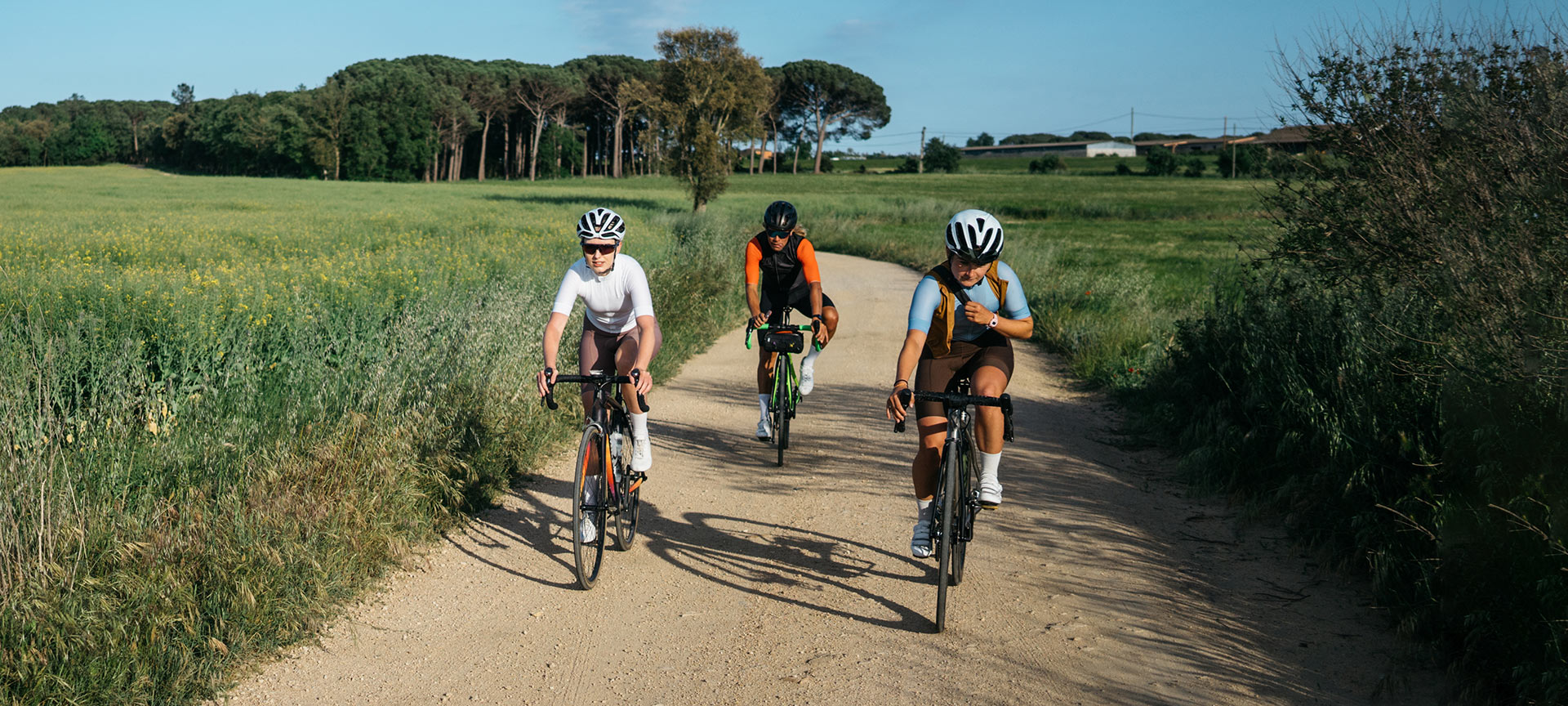
Cycling holidays break down when the route ambition, weather window, and bike logistics do not line up, and Spain is a perfect example. Riders often talk about Girona, Costa Blanca, and Tenerife like they are three versions of the same sunny training week. They are not. One is a rhythm trip with café loops and repeatable climbs. One is the easiest place to stack volume without making life complicated. One is an altitude-heavy island that feels brilliant until you realize you booked it for the wrong legs.
The good news is that Spain gives you real choice. The bad news is that most pages ranking for cycling holidays Spain are trying to sell a package before they help you decide which package shape you actually need. That is backwards. The smarter order is rider type first, then weather window, then trip format.
| Trip shape | Best Spanish base | Why it wins |
|---|---|---|
| Training-heavy road week with café rhythm | Girona | Easy airport access, fast group-ride culture, and enough terrain variety for repeat days. |
| Reliable winter or shoulder-season volume | Costa Blanca | Predictable weather, broad hotel stock, and a lower-friction setup for mixed rider groups. |
| Big-climb camp where elevation is the point | Tenerife | Teide changes the whole week, but it only pays off if you actually want a climbing-first trip. |
The quick decision
If you want the cleanest all-round road-cycling week, book Girona. If you want the least operational hassle for a mixed group or a winter block, book Costa Blanca. If you want long climbs to be the identity of the trip, and you are happy to sacrifice some everyday ease, book Tenerife. Spain is excellent precisely because it is not one answer. The winning trip is the one that matches how you actually ride, recover, and travel with a bike.
Plan your cycling holidays Spain trip with cleaner route decisions
SearchSpot compares routes, bases, and trip logistics so your cycling holiday works on the road, not just on a map.
Plan your cycling trip on SearchSpot
Why Girona keeps winning for serious amateur riders
Girona works because the week stays simple even when the riding gets serious. You can base in one city, roll out to flat warm-ups, medium mountain days, or coast-and-hinterland loops, and still finish with good food and a walkable center. That matters more than riders admit. A trip with a strong riding culture but weak off-bike flow gets tiring fast. Girona tends to avoid that trap.
It also suits riders who want to travel with one bike and no support van. Airport access through Barcelona is manageable, rail and transfer options are familiar, and the city has deep cycling infrastructure in the practical sense: shops, rentals, mechanics, cafés that understand why you are drenched in salt before lunch. For small groups that want fast mornings and low drama, Girona is hard to beat.
Why Costa Blanca is the adult choice for a mixed group
Costa Blanca is not as fashionable in internet cycling culture, but it wins a lot of real-world trip decisions. The weather is reliable, hotel inventory is broad, and you can build a week that works for uneven abilities. That matters if one rider wants a proper climbing block and the other wants strong rides without spending six straight days deep in the red.
The other advantage is recovery friction. Spain's coastal resort infrastructure is built for large numbers of visitors, which means easier breakfasts, easier parking if you rent a car, and more forgiving options when one day gets shortened by fatigue or wind. Costa Blanca is rarely the romantic answer, but it is often the trip that actually runs smoothly.
Tenerife is excellent, but only if you want the island to dominate the week
Tenerife is where riders go when they want the climb to be the story. Teide is not a side quest. It shapes fueling, fatigue, and how you think about the whole week. That is why the island is brilliant for some riders and a bad fit for others. If you came for repeated elevation days, controlled efforts, and a winter camp feel, Tenerife earns its reputation. If you want playful route variety and relaxed post-ride life, it can feel narrow and tiring.
The mistake is treating Tenerife as a generic sunshine answer. It is a specific kind of trip. You do not book it because it is famous. You book it because long climbing is the actual point.
Best timing for cycling holidays Spain
Spring and autumn are the safest broad recommendation if you want one answer that works across the main road-cycling bases. Winter can be excellent in Costa Blanca and useful in Tenerife, but your route selection tightens and the trip shape becomes more weather-dependent. High summer is the opposite. It can still work, especially in higher terrain, but heat management becomes part of every decision, from start times to hotel choice.
That is the real planning edge in Spain. The country gives you year-round options, but not year-round equivalence. Riders who ignore that difference often book a destination with the wrong climate identity and then blame the destination instead of the plan.
Supported versus self-guided in Spain
Supported formats pay off most when your group has different fitness levels, or when the trip uses multiple bases. Spain is large enough that a support vehicle can save a week that would otherwise get messy. Self-guided wins when the base is stable, the airport transfer is clean, and the group is comfortable solving ordinary bike problems without outside help.
Girona and Costa Blanca are both friendly to self-guided riders. Tenerife is more mixed. You can absolutely run it self-guided, but the island asks more of you once the weather turns or one rider pops earlier than expected on a long climb.
Bike transport, rental, and airport friction
Spain is big enough that transport choices shape the holiday more than riders expect. If you are flying in for a short trip, every extra transfer multiplies the bike-bag hassle. Girona benefits from the fact that you can think of the whole trip as one city stay with one main arrival chain. Costa Blanca benefits from mainstream resort infrastructure and easier hotel handling. Tenerife asks you to accept that an island week is a deeper logistical commitment. None of those are deal-breakers. They are just not interchangeable.
This is also why rental decisions matter. Bringing your own bike makes the most sense when fit precision and equipment confidence are part of the trip goal. Renting makes more sense when the holiday is short, the transfer chain is messy, or you know the bike case itself will become a mood-killer. Riders often pretend this is a purity question. It is usually a friction question.
How to think about budget without ruining the trip shape
Spain lets you overspend in very predictable ways. The first is paying for a training-camp level hotel package when you are not actually treating the week like a camp. The second is choosing the wrong destination for your group and then buying your way out of the mismatch with extra transfers, support days, and upgraded rooms. The third is forcing Tenerife because it sounds prestigious, then discovering you needed easier terrain and better flexibility all along.
The better budget logic is to pay for the part that protects the week. In Girona that is usually the right central base and maybe a quality rental. In Costa Blanca it may be a better-located hotel that keeps the whole group calm. In Tenerife it might be support, or at least a more practical base, because fatigue and transfer drag cost more than people think.
A realistic five-day structure
A strong Spain trip usually has two hard days, one medium day, one clearly easy day, and one flexible day that can grow or shrink with the legs. Girona makes that pattern easy because route variety sits close together. Costa Blanca makes it easy because the destination tolerates mixed expectations well. Tenerife makes it essential because the island punishes riders who try to turn every day into a statement.
That is the last major point. Spain rewards riders who plan the week like a system. The destination choice matters, but the deeper edge comes from matching the destination to how much structure, climbing, and recovery the group can handle. That is why the best Spanish cycling trips feel obvious in hindsight. The plan respects the rider before it celebrates the route.
The biggest planning mistakes
The first is choosing Spain before choosing the trip identity. The second is booking Tenerife for a rider who mostly enjoys medium-length rolling days. The third is underestimating how much easier a holiday feels when the off-bike life is simple. Riders like to think they are picking pure road quality. In practice they are choosing a week-long system that includes transfers, food, recovery, weather, and whether your bike case is still ruining the hotel room on day five.
The confident recommendation is straightforward. Book Girona if you want the sharpest all-round road week. Book Costa Blanca if you want the cleanest logistics and the widest ability range. Book Tenerife if you want climbing to dominate the story and you know your legs will thank you for that choice rather than resent it.
Compare Spanish cycling bases before you book flights and bike bags
SearchSpot compares routes, bases, and trip logistics so your cycling holiday works on the road, not just on a map.
Turn this research into a real trip plan
SearchSpot helps you compare stays, routes, neighborhoods, and decision tradeoffs in one planning flow so you can move from reading to booking with more confidence.