
Bookstores in Paris: The Left Bank Route That Keeps the City Literary
Bookstores in Paris work best when you stop chasing a citywide list and let one bank of the river carry the day. Here is the route that actually holds together.

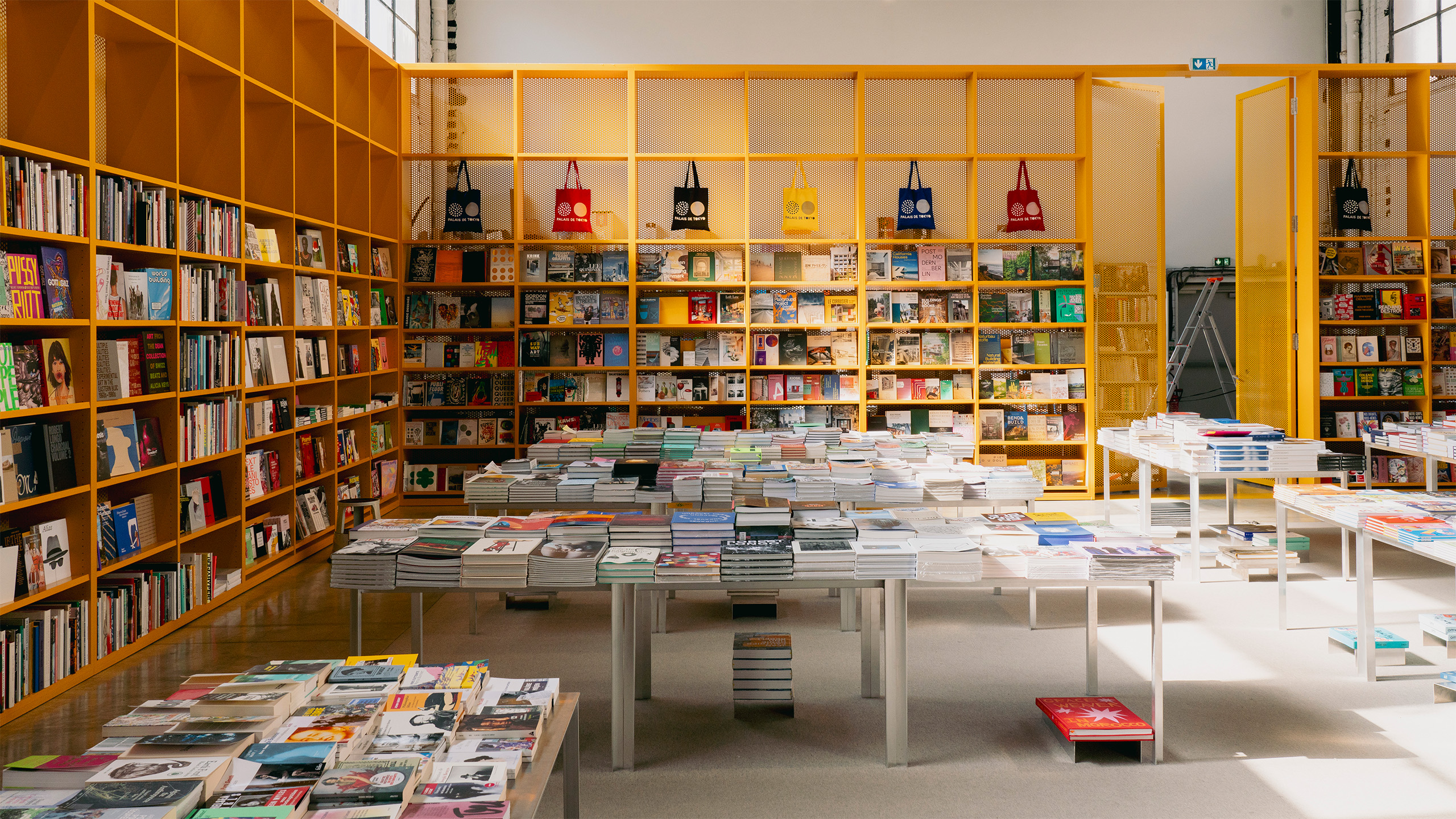
Paris is one of the easiest cities in the world to over-romanticize. That becomes a real planning problem when you are searching for bookstores in Paris. Every list looks irresistible. Shakespeare and Company, Galignani, Abbey Bookshop, San Francisco Book Co., museum shops, hidden passages, old stalls on the Seine. The result is predictable: people build a perfect-looking map and a terrible actual day.
The decisive answer is this: if you want a real literary Paris day, keep the first route on the Left Bank and nearby central corridors, let one major English-language shop anchor the trip, and save the second-wave stores for a separate session. Paris gets weaker when you treat bookstores as trophies and stronger when you let one neighborhood carry the mood.
The short answer
| Your goal | Best move | Why it works |
|---|---|---|
| First bookstore day in Paris | Keep the route on the Left Bank | You preserve the strongest literary atmosphere and walking logic |
| English-language browsing | Use one anchor, then two smaller complementary stops | Paris rewards contrast more than quantity |
| Bookish city break | Stay in Saint-Germain or the Latin Quarter | You can walk the route without commuting back into the city you came for |
| Longer literary weekend | Save a second session for galleries, passages, or the Right Bank | Paris bookstore culture has distinct moods that do not belong in one rushed line |
Why the Left Bank is still the smartest first answer
Because the literary and urban logic still reinforce each other there. The best current Paris guides, from Monocle to newer bibliophile roundups, keep returning to the Left Bank because it offers what travelers actually need: density, atmosphere, and stores that are still legible inside a normal walking day.
This is also why Shakespeare and Company matters without needing to dominate the whole itinerary. It is famous, yes, but the surrounding river, Notre-Dame axis, student energy, and Saint-Germain spillover are what make the stop emotionally useful. Paris bookstore travel is never just about shelves. It is about what the city is doing between the shelves.
That is where people go wrong. They think Paris is compact enough to absorb endless bookstore hopping. It is not. The city stays generous only when you respect the district rhythm.
Plan your Paris literary trip with a better city flow
SearchSpot compares stay zones, walking load, and bookstore clusters so your Paris route feels like a city day, not a scavenger hunt.
Plan your Paris bookstore route on SearchSpot
The route that actually pays off
Start on the Left Bank and begin with your biggest emotional anchor. For a lot of travelers that will be Shakespeare and Company. From there, move outward rather than ricocheting immediately across the river. The better second and third stops are the ones that change the mood slightly without breaking the walk.
This is why stores like Abbey Bookshop, San Francisco Book Co., Red Wheelbarrow, or Galignani should be chosen as role players, not all stacked at once. One store gives you the icon, one gives you a calmer browse, and one gives you local texture or specialization. After that, stop. Let Paris re-enter the day.
The route works because the city provides literary connective tissue the whole way. Cafes, quays, garden edges, and side streets all help the browsing feel placed rather than generic.
What each major stop is good for
Shakespeare and Company is the emotional anchor
No list of Paris bookstores avoids it, and for good reason. It is still the shop that turns a general Paris trip into a consciously literary one. The mistake is assuming that because it is iconic, the whole day should orbit its queue, merch, or mythology.
Galignani is the elegant counterweight
If you want a more composed, less performative bookstore chapter, Galignani is excellent. It works especially well for travelers who want a polished literary stop without the theatrical crush of the most famous Left Bank name.
Smaller English-language shops keep the day human
The newer guides keep pointing travelers toward stores that feel more livable than legendary. That is useful. Paris needs one iconic shelf, not five. After that, give yourself one shop where the browsing is the point again.
Where to stay if bookstores are the point
Saint-Germain-des-Prés and the Latin Quarter are still the cleanest answers. They let you walk into the literary core, keep the Seine close enough to feel like part of the day rather than a commute, and preserve the possibility of an early or late return to a favorite street.
If your trip is mixed and you want better hotel value or a slightly less overtly literary mood, staying just beyond the immediate core can work. But I would not base the trip far out if bookstores are one of the reasons you chose Paris. You will keep paying the route cost for that decision.
The same principle matters for companions. A Left Bank base is also easier to sell to non-book obsessive travel partners because the district is rewarding even when nobody buys a book.
How many stores belong in one day
Three serious stores is a strong day in Paris. Four is possible if the route is beautifully compact. More than that usually means you are using Paris like a container and not like a city. That is the exact point where literary travel starts to feel assembled.
I would rather do two great stores, one cafe, one long river walk, and one notes pause than brag about seven names and remember none of them properly. Paris is too good for speed-running.
What to skip without losing the soul of the trip
Skip the instinct to cross the river too early. Skip the idea that every famous shop belongs in the same first-day route. Skip the false efficiency of trying to combine museum-heavy tourism, bookstore-heavy tourism, and full shopping ambitions in one afternoon.
You can also skip forcing a Right Bank bookstore chapter into the first literary day. Save that for a second session if you have it. Paris is a city of chapters. Let it behave like one.
Current planning details that matter
The best recent bookstore roundups in Paris are useful for one reason above all: they show that the scene is still alive, not frozen around one single famous storefront. That means checking individual shop pages for current opening windows and event calendars is worthwhile, especially if you want evening readings or a quieter weekday browse.
It also means you should not over-plan around a single viral image. Paris bookstore days improve when you know your anchor and stay flexible about the rest.
The recommendation
For most travelers, the best bookstores in Paris trip means staying on the Left Bank, choosing one anchor store, adding one or two supporting shops in the same orbit, and letting the city do the rest of the literary work.
That version of Paris feels intelligent, romantic, and practical at the same time. Which is rare, and exactly why it is worth protecting.
Build the Paris bookstore route that still feels like Paris
SearchSpot helps you compare Saint-Germain, the Latin Quarter, and bookstore sequencing before your literary day collapses into crisscrossing the river.
Build your Paris literary route on SearchSpot
Planning receipts
Turn this research into a real trip plan
SearchSpot helps you compare stays, routes, neighborhoods, and decision tradeoffs in one planning flow so you can move from reading to booking with more confidence.