
Bookstores in New Orleans: The Route That Gives the City Its Reading Life
Bookstores in New Orleans work best when the French Quarter, Faulkner, and one neighborhood extension reinforce each other. Here is the route that keeps the city literary.

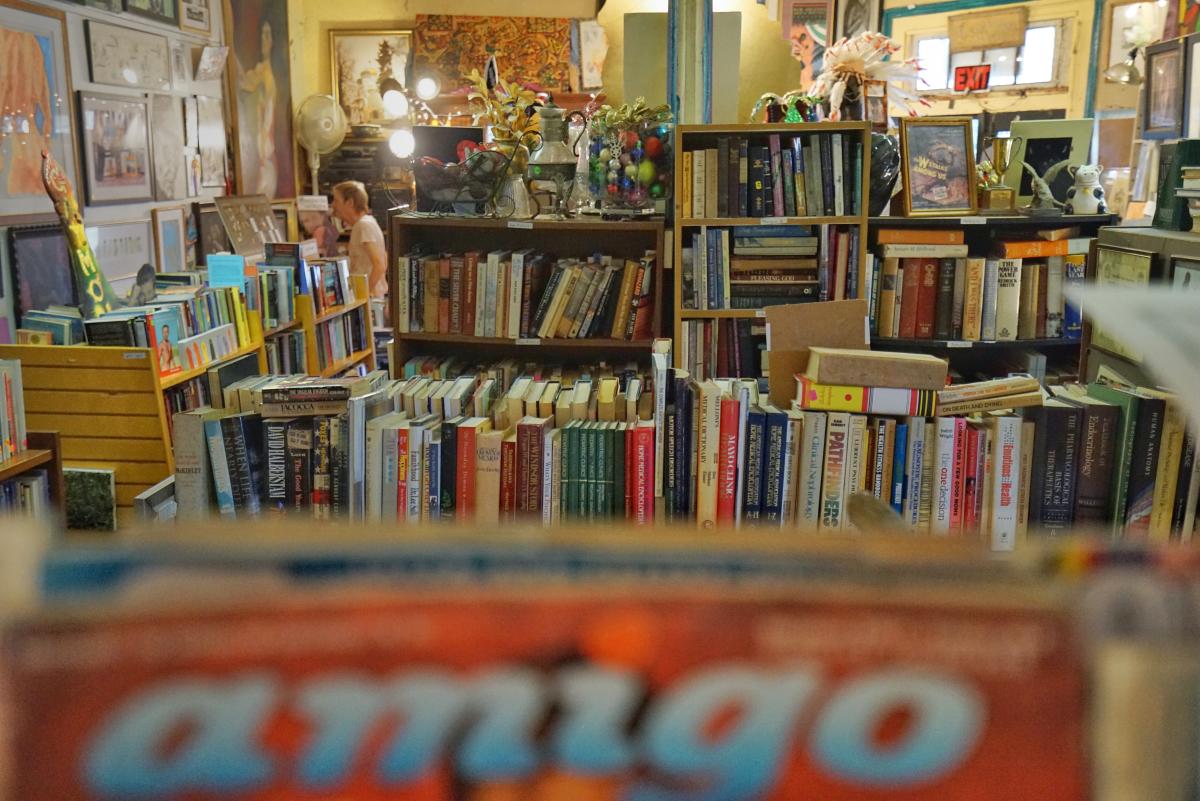
New Orleans is one of those cities where literary travel can become fake very quickly. The mood is already strong, the mythology is already loud, and that combination makes it easy to mistake atmosphere for structure. Searching for bookstores in New Orleans does not solve that problem by itself. A list of charming shops is not yet a literary day.
The stronger answer is this: build the first bookstore route around the French Quarter and one author-heavy anchor, usually Faulkner House Books, then decide whether the second chapter belongs in the Garden District or Uptown. Do not try to prove literary range by crossing the city repeatedly in one day.
The short answer
| Your goal | Best move | Why it wins |
|---|---|---|
| First literary New Orleans day | French Quarter first, then choose one later extension | The city feels most literary when you let the old core establish the tone |
| Faulkner-first trip | Use Faulkner House as the hinge, not the entire day | It adds authority, but the surrounding streets complete the meaning |
| Bookstore weekend | French Quarter day one, Uptown or Garden District day two | New Orleans rewards district chapters more than total coverage |
| Best base | French Quarter edge or Lower Garden District | You keep literary access high without making every move a long transfer |
Why the French Quarter still deserves to go first
Because it gives the city its narrative weight immediately. The official New Orleans bookstore page is useful precisely because it frames the city's shops as a way into local lore, not just shopping. That is the right instinct. Bookstores in New Orleans are interesting because they sit inside a city already crowded with story.
Faulkner House Books matters here because it gives the route one unmistakable literary anchor. It is the stop that tells you this is not just a French Quarter wander with incidental paperbacks. After that, the Quarter's older used-book texture and nearby shelves become much easier to read properly.
The mistake is trying to turn the city into one giant bookstore crawl. New Orleans has too much texture for that and too much transit friction between neighborhoods for it to feel elegant.
Plan your New Orleans literary trip with a better city flow
SearchSpot compares stay areas, bookstore clusters, and neighborhood trade-offs so your New Orleans reading route feels coherent instead of stretched.
Plan your New Orleans bookstore route on SearchSpot
The route that actually pays off
Start in the French Quarter. Use Faulkner House as the emotional opening chapter, then stay in that older literary texture long enough for the city to establish itself. This is also where used and culture-heavy inventory makes the most sense, because the surrounding architecture, courtyards, and older street pattern keep the route feeling rooted.
After that, choose your extension carefully. If you want a more polished neighborhood bookstore chapter, the Garden District Book Shop and its surroundings make sense. If you want a more local, event-driven independent store energy, Uptown and Blue Cypress Books are the better move.
What you should not do is try to squeeze both into the same late afternoon and call it efficient. New Orleans is not a city that likes being over-optimized.
What each major chapter is good for
Faulkner House is the literary hinge
This is the stop that gives the route credibility. It is especially strong for travelers who want one clearly author-linked bookstore in the city before the day broadens out.
Garden District Book Shop is the polished neighborhood extension
The Garden District chapter works best when you want a softer, calmer browse and like the idea of pairing books with architecture and a more residential rhythm.
Blue Cypress is the local-reader chapter
Blue Cypress is where the trip feels less ceremonial and more like the city's living reading life. That distinction matters.
Where to stay if bookstores are one reason you picked New Orleans
French Quarter edge is the easiest first answer because it lets the core literary route happen mostly on foot. Lower Garden District is the cleaner compromise if the trip is not only about books and you want a little more room to move between architecture, restaurants, and literary stops.
I would not stay too far out for a bookstore-first trip. The whole point of New Orleans is that the literary and urban layers are supposed to overlap. If your base makes you keep re-entering that overlap, you weaken one of the city's best advantages.
How many bookstores belong in one day
Three meaningful stops is enough. Four can work if one is mostly a browse and one is mostly a neighborhood mood chapter. More than that and the city begins to feel like logistics disguised as romance.
This is especially true in New Orleans because streets, weather, music drift, and restaurant temptation all add real time. The better bookstore plan is the one with margin in it.
What to skip without losing the soul of the trip
Skip the urge to turn every literary association into a required stop. Skip the idea that the Quarter, Garden District, and Uptown all belong to one flawlessly managed day. Skip the hotel choice that looks calmer on paper but forces you to keep commuting back into the city you actually wanted.
The city gives back more when one district carries the reading mood at a time. That is how New Orleans stays dense instead of theatrical.
Current planning details that matter
The current official and local guides keep pointing to the same practical truth: independent stores here still matter because they host events, foreground local authors, and sit inside neighborhoods that shape the visit. That means checking event calendars can improve the trip, but it also means you should not assume every shop has the same hours or the same pace.
My rule would be simple. Choose the district first. Then see whether one event, reading, or signed-local-authors stop sharpens the plan. Do not reverse that order.
The recommendation
For most travelers, the smartest bookstores in New Orleans trip starts with Faulkner House and the French Quarter, then uses either the Garden District or Uptown as the second chapter, not both.
That keeps the city literary, atmospheric, and solvable. Which is exactly what New Orleans needs from a bookstore route.
Build the New Orleans bookstore route that still feels like New Orleans
SearchSpot helps you compare French Quarter, Uptown, and Garden District trade-offs before your literary trip turns into too many car rides and too little city texture.
Build your New Orleans literary route on SearchSpot
Planning receipts
Turn this research into a real trip plan
SearchSpot helps you compare stays, routes, neighborhoods, and decision tradeoffs in one planning flow so you can move from reading to booking with more confidence.