
Best Time to Visit Napa Valley for a Wine Trip: Harvest or Cabernet Season?
The best time to visit Napa Valley depends on whether you want harvest energy or quieter, sharper tasting days. Here is the season logic, base strategy, and pacing that actually works.

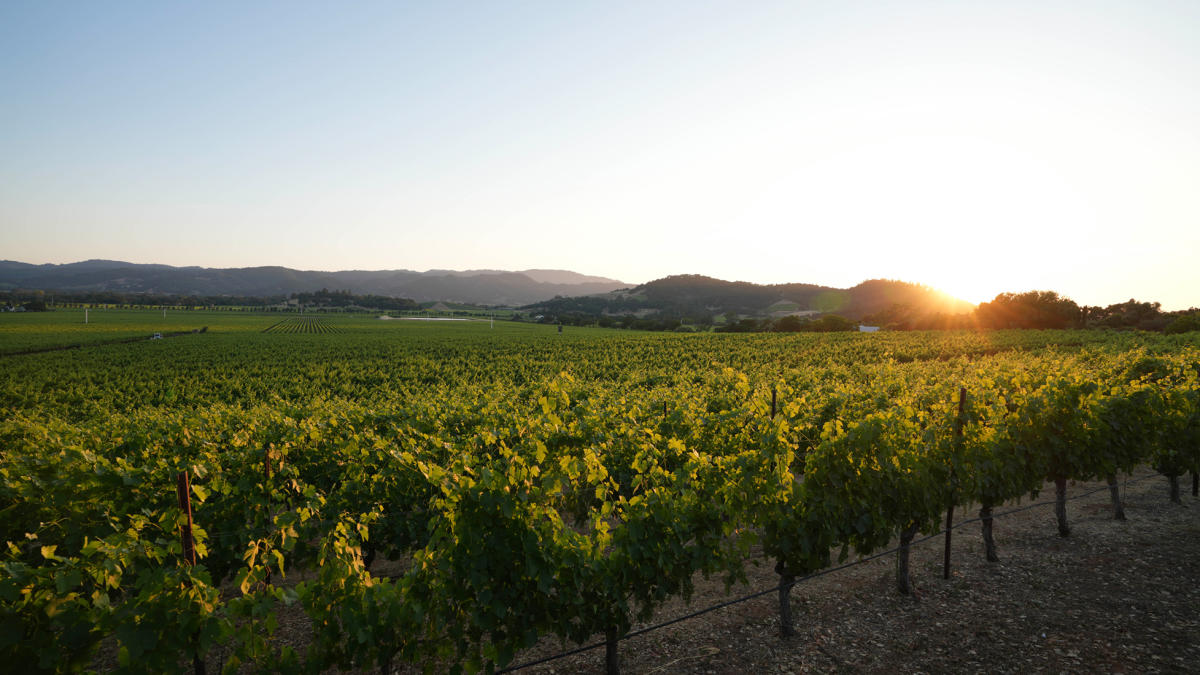
Wine-country anxiety usually starts with a romantic lie: that Napa Valley is always a good idea, and the only real question is which tasting room to book first. The harder truth is that timing changes the trip more than most first-timers expect. Go in harvest and you get the cinematic version, busy roads, warm afternoons, a lot of money changing hands, and a sense that the whole valley is humming. Go in late winter or spring and you get something many serious tasters prefer, easier reservations, greener hills, quieter winery staff, and a trip that can actually breathe.
If your goal is a wine trip that feels smart instead of performative, the best time to visit Napa Valley is usually split between two windows. September through early November wins if you want full harvest atmosphere and you are comfortable booking early and paying peak-season prices. Late winter through spring, especially February through May, wins if you care more about focused tastings, easier tables, and a less hectic rhythm. Summer is still workable, but for a wine-first traveler it is usually the compromise season, not the best one.
Best time to visit Napa Valley: the short answer
If this is your first Napa Valley trip and you want the place to feel alive, go in late September or October. If you already know you hate crowds, hate overpacked schedules, and care more about talking to staff than posting vineyard photos, go in February, March, April, or early May. That second window is where a lot of the trip becomes easier: tasting appointments, Michelin bookings, hotel rates, and even how much emotional energy the day takes out of you.
| Season | What it does well | What makes it harder | Who it fits |
|---|---|---|---|
| Winter to spring | Greener scenery, quieter tasting rooms, easier reservations, stronger value | Cool mornings, occasional rain, less harvest theater | Serious wine travelers, couples, first-timers who want less friction |
| Summer | Long days, polished resort feel, easy pool-and-wine pairing | Warmer afternoons, more visitors, not as visually dramatic as fall | Travelers mixing wine with a classic California resort break |
| Harvest and fall | Energy, vineyard color, peak wine-country atmosphere | Crowds, tighter reservations, pricier hotels, slower roads | First-timers who want the iconic Napa version and do not mind planning ahead |
When harvest is worth the crowds
Harvest is the obvious answer, and sometimes the obvious answer is correct. The valley looks beautiful, the vines shift color, and there is real momentum in the air. If you want the emotional high of being in wine country when grapes are moving and cellar teams are busy, late September and October can absolutely justify the extra cost and effort. This is also the season when the trip feels most different from a generic luxury weekend. You are not just tasting wine, you are seeing the valley in its most talked-about working moment.
The catch is that harvest rarely rewards a casual approach. The best-known wineries are harder to book, good dinner reservations disappear earlier, and even the simple act of moving from one tasting to lunch to another tasting takes longer than people expect. That does not mean you should skip harvest. It means you should cut your ambition. Two winery appointments and one good lunch usually outperform the kind of four-stop day people build when they are planning from a map instead of from lived energy. Napa is a better trip when each tasting has room to land.
Harvest is best for travelers who like the idea of a trip feeling expensive, a little buzzy, and fully switched on. If that is you, lean into it. Book a stronger hotel, lock the core tastings early, and use a driver for at least one full day. Do not pretend this is the season to improvise.
Why Cabernet Season often makes the smarter trip
The less glamorous answer is that late winter through spring is often the sharper call. Visit Napa Valley actively markets the quieter stretch between harvest and spring growth as Cabernet Season, and the pitch makes sense: the valley slows down, tasting rooms feel less compressed, and the whole trip becomes easier to shape around actual conversation. You notice the difference in the way your day moves. You are not fighting the valley for access.
This is the window I would pick for travelers who care about producer quality more than spectacle. You can ask better questions, get more thoughtful attention, and leave room for a real lunch instead of a rushed sandwich in the car. Hotel value tends to be stronger, and Michelin-level dining is more realistic. You also get one of Napa's prettiest looks, green hills and mustard flowers instead of the dry golden palette people often associate with Northern California.
Spring adds another advantage: you get enough warmth and daylight for outdoor tasting patios and scenic drives, without stepping into the highest-pressure version of the valley. April and early May are especially good if you want that balance between lively and manageable. If your dream Napa trip is elegant, measured, and actually enjoyable, this is the season to prioritize.
Where to stay if the point is wine, not commuting
Napa Valley is not huge on a map, but it is large enough that a bad base quietly wrecks your trip. If your plan leans north, classic Cabernet houses, serious restaurants, and a polished couples-weekend feel, Yountville and St. Helena are the best first picks. They keep you closer to the tasting zones many first-timers actually want, and they make dinner feel easy after a wine-heavy day.
Downtown Napa works best if you want more hotel inventory, more casual evening options, and the flexibility of urban tasting rooms mixed with one or two big winery days. It is the most practical base for travelers who want a softer landing, especially if they are balancing wine with spa time or a shorter trip. Calistoga is a stronger choice when the trip is leaning wellness-forward, slower, or more resort-driven.
The mistake to avoid is optimizing only for room rate. A cheaper stay that adds 30 to 45 minutes of extra daily driving is not actually cheaper once the trip starts. In Napa, location is part of the tasting budget because it shapes how many good hours you have left by dinner.
Plan your Napa Valley trip with smarter route logic
SearchSpot compares tasting clusters, stay strategy, and trip pacing so your Napa Valley wine trip feels balanced instead of overstuffed.
Plan your Napa Valley trip on SearchSpot
How to pace the tastings so the day still feels good at 6 p.m.
Napa looks like a place where you can knock out four or five wineries in a day. In practice, that usually turns into a blur of check-in desks, rushed pours, and the feeling that you are treating expensive wine like an errands list. The smarter pace is two proper appointments, maybe three if one is lighter or closer to your lunch stop.
That pace also forces better choices. Instead of trying to collect names, you pick one flagship estate, one more intimate producer, and one meal worth sitting down for. That is how the day becomes memorable instead of simply full. If you want to add movement, do it with one scenic stop, a spa block, or an early-evening walk, not another reserve tasting when your palate is already tired.
Transport matters too. Napa has tour and transit options, but most first-time visitors who are building a true wine day are better off with a driver, a small-group tasting tour, or a plan where one person spits every time and still has a light day. The valley is more enjoyable when no one is doing mental math about the drive back.
A three-day Napa shape that usually beats the overstuffed version
Day 1: Arrive, check in, and keep it light. Do one town tasting room or one early appointment, then a long dinner. The first day should lower the pulse, not prove how much ground you can cover.
Day 2: Book your most important winery in the late morning, then lunch nearby, then one contrasting tasting in the afternoon. This is the day to use a driver if you are going deeper on Cabernet houses or longer seated experiences.
Day 3: Stay flexible. If you feel fresh, do one final tasting and leave room for a spa, mustard-season walk, or slow breakfast before departure. If you feel saturated, skip the last appointment. The best Napa trips usually finish a little early, not a little desperate.
That is the larger point behind timing too. You are not trying to see Napa at its loudest. You are trying to see it in a way that still feels coherent by the end of the weekend.
What I checked before making this call
This recommendation leans on current regional tourism sources, booking guidance, and transport information, not just generic wine-trip listicles.
- Visit Napa Valley seasons guide
- Visit Napa Valley transportation and tours
- Napa Valley winery directory and reservation patterns
- Napa Valley timing overview
The call
If you want the most cinematic version of Napa Valley, book harvest. If you want the version that most often produces a smoother, better wine trip, book late winter through spring. For most readers planning around tasting quality, dinner quality, and overall trip shape, that second option is the smarter one.
Napa does not reward maximum ambition. It rewards timing, restraint, and a base that keeps the day easy. Get those right, and the valley feels polished instead of exhausting.
Plan your Napa Valley trip with smarter route logic
SearchSpot compares tasting clusters, stay strategy, and trip pacing so your Napa Valley wine trip feels balanced instead of overstuffed.
Turn this research into a real trip plan
SearchSpot helps you compare stays, routes, neighborhoods, and decision tradeoffs in one planning flow so you can move from reading to booking with more confidence.