
Rioja Wine Region: Haro or Logrono, Rioja Alta or Rioja Alavesa, and How to Build the Smarter Trip
The Rioja wine region gets much better when you stop treating Haro, Logrono, and Rioja Alavesa as interchangeable pieces of one generic wine weekend.

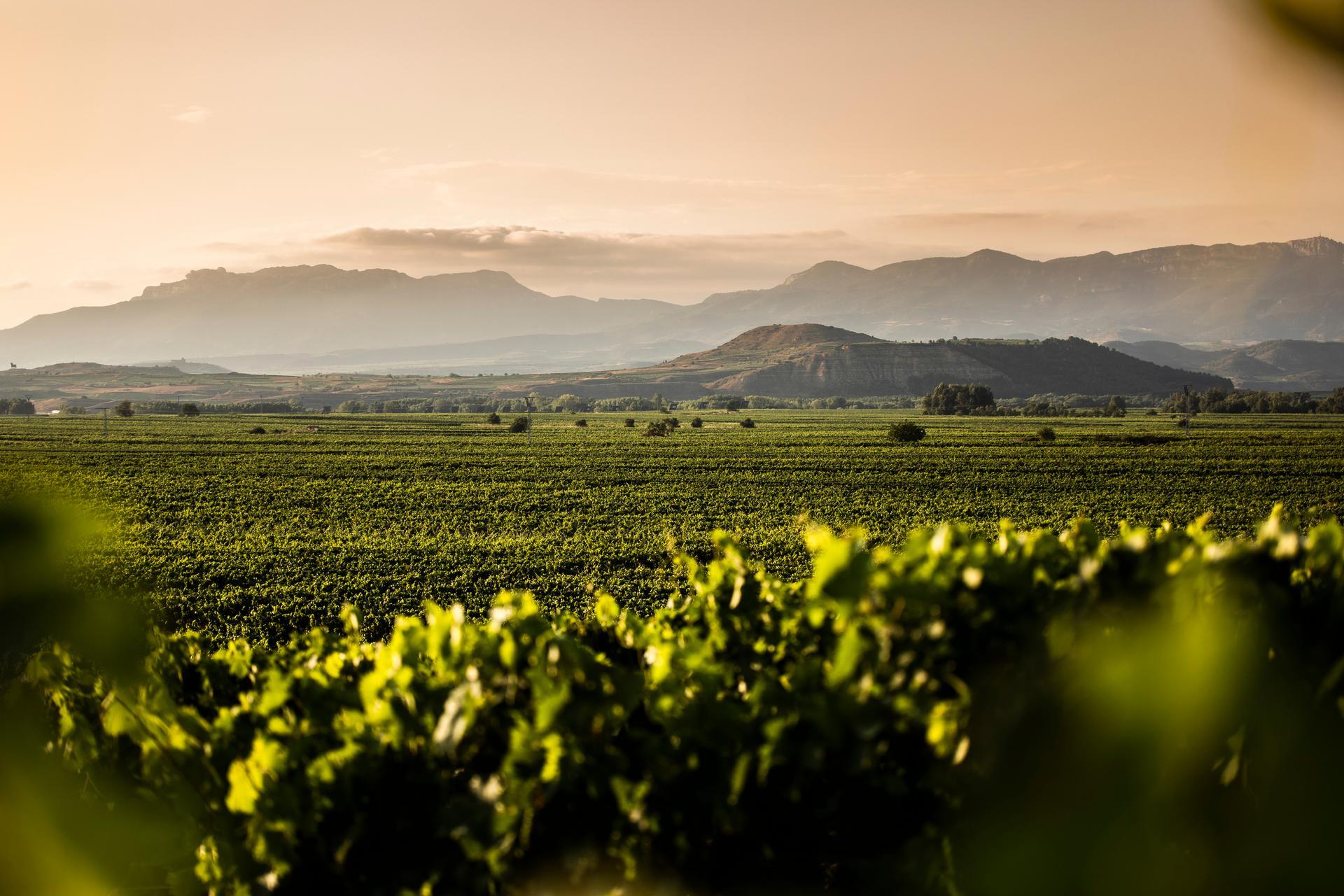
The Rioja wine region is one of the easiest places in Spain to underestimate. People know the name, know they like the wine, and assume the trip will be as simple as picking one hotel and wandering between bodegas. Then the real questions arrive: Haro or Logrono, classic Rioja Alta or more scenic Rioja Alavesa, city energy or winery concentration, self-drive or driver, one big traditional bodega or several smaller modern stops. Rioja is not hard. It just stops feeling clear the moment you expect one base to solve every version of the trip.
My decisive recommendation is this: Haro is best if wineries are the whole point, Logrono is better if you want nights that still feel lively after tasting, and Rioja Alavesa is the smartest add-on when you care about scenery, architecture, and a more boutique rhythm. Most first-time travelers should not try to cover all of Rioja evenly. They should choose a base that matches the evenings they want and build outward from there.
The quick answer for the Rioja wine region trip
| Base | Best for | Why it wins | Main drawback |
|---|---|---|---|
| Haro | Winery-first weekends | Best concentration of classic wine focus | Less city life once tastings end |
| Logrono | Balanced wine-plus-food trip | Better nightlife, better restaurant energy, easy trip anchor | More movement to reach some winery clusters |
| Rioja Alavesa village stay | Design lovers, slower pace, boutique feel | Strong scenery and elegant winery rhythm | Less forgiving if your itinerary changes |
If you want the purest wine trip, choose Haro. If you want the most balanced short break, choose Logrono. If you already know you prefer a more intimate, scenic, architecture-and-vineyard version of Rioja, stay in or near Rioja Alavesa and commit to it.
Plan your wine-region trip with smarter route logic
SearchSpot compares regions, tasting logistics, and stay strategy so your wine trip feels balanced instead of overstuffed.
Plan your Rioja wine trip on SearchSpot
Haro vs Logrono: the base decision that matters most
Haro is stronger when your definition of success is how close you are to meaningful winery time. It feels like a wine trip from the moment you arrive. That is its strength. It is also its limitation. If one afternoon gets slow or one tasting finishes early, you feel the reduced city energy more quickly. Haro is excellent for travelers who are happy for the trip to revolve around wine almost entirely.
Logrono is a better answer for most mixed travelers, couples, and groups. You get stronger evening life, better fallback dining, and the feeling that the trip still works even if one winery day changes shape. Logrono is especially good for travelers who want to spend the day tasting and the night eating properly rather than disappearing into hotel quiet the minute the cellars close.
Rioja Alta, Rioja Alavesa, and Rioja Oriental are not interchangeable
This is where many first-time itineraries go soft. Rioja is one name, but it is not one flavor of trip. Rioja Alta is the classic answer for many travelers because it aligns most neatly with the image people already carry: traditional bodegas, strong red-wine identity, and the sense of stepping into an old, storied region. Rioja Alavesa often feels more visually refined and slightly more design-forward. It is the better move when you want scenery and a curated-feeling day rather than only classic prestige. Rioja Oriental matters more if you have time and curiosity, but it is not usually where I would start a short first trip.
The practical point is simple. Choose your anchor first, then add one contrasting subregion if you have enough time. Do not try to split attention across the whole appellation just because the map makes it possible.
Do you need a car in the Rioja wine region?
Yes, in most cases, unless you are doing a fully organized day. Rioja is not impossible without one, but the better version of the trip usually assumes road freedom. That does not automatically mean self-driving. If your group wants to taste seriously, a driver is a smarter spend than a third winery that nobody fully appreciates because one person is nursing restraint all day. Rioja is best when the route feels clean and nobody is calculating around the glass.
Self-driving works if your day is disciplined. Two wineries and lunch, not four visits and a heroic plan to keep every pour tiny. Rioja rewards control more than ambition.
How many days do you need?
Two nights is the minimum that feels like a real Rioja trip. Three nights is the sweet spot because it lets you split the region sensibly. One day can stay close to your base. The second can explore another subregion with real attention. The third can absorb a final visit, a long lunch, or a cultural stop without making the whole trip feel rushed.
Rioja is one of those regions that becomes noticeably better with just one extra night. That is usually the difference between a tasting schedule and an actual place-based trip.
When the Rioja trip works best
Late spring and early autumn are the cleanest answers. Spring gives you calmer roads and a fresher pace. Early autumn gives you the energy that makes wine country feel fully alive. Harvest season can be electric, but only if that is what you want. If your ideal trip is quiet, scenic, and measured, peak harvest can feel busier than necessary. If your ideal trip is full of momentum and vineyard atmosphere, that energy becomes part of the appeal.
As in other serious wine regions, there is no magic month that beats every other one. There is only the season that best matches your tolerance for buzz, heat, and booking pressure.
A smarter first Rioja itinerary
Day one
Arrive, settle, and keep the first day light. If you are in Logrono, lean into the food scene. If you are in Haro, let the first evening be quiet and save the serious route for the next day.
Day two
Make this the major tasting day and keep it disciplined. One anchor bodega, one contrasting stop, and one lunch that earns its place. The point is not volume. It is contrast and memory.
Day three
Use the final day to shift register. If day two was classic Rioja Alta, let day three lean more scenic or more modern. That keeps the region from collapsing into one note.
Mistakes to avoid
- Treating Haro and Logrono as interchangeable hotel choices.
- Trying to sample all of Rioja evenly on a short trip.
- Overbooking winery visits and underestimating driving reality.
- Spending too little thought on dinner, which is a major part of why Rioja works as a short break.
- Choosing harvest just because it sounds more authentic.
The best final call
The Rioja wine region is best when you build around the evenings you want and the style of winery day you enjoy. Haro is the wine-purist answer. Logrono is the most flexible answer. Rioja Alavesa is the elegance-and-scenery answer. Once you know which of those you are after, the itinerary becomes much easier to shape.
That is why Rioja works so well for short wine trips. It does not need more ambition. It needs a cleaner choice at the start.
Plan your wine-region trip with smarter route logic
SearchSpot compares regions, tasting logistics, and stay strategy so your wine trip feels balanced instead of overstuffed.
Turn this research into a real trip plan
SearchSpot helps you compare stays, routes, neighborhoods, and decision tradeoffs in one planning flow so you can move from reading to booking with more confidence.