
Best Time to Visit Burgundy France for a Wine Trip
Burgundy gets better when you stop planning it like a checklist of famous villages. Here is the best season, the smartest base, and the route logic that holds together.

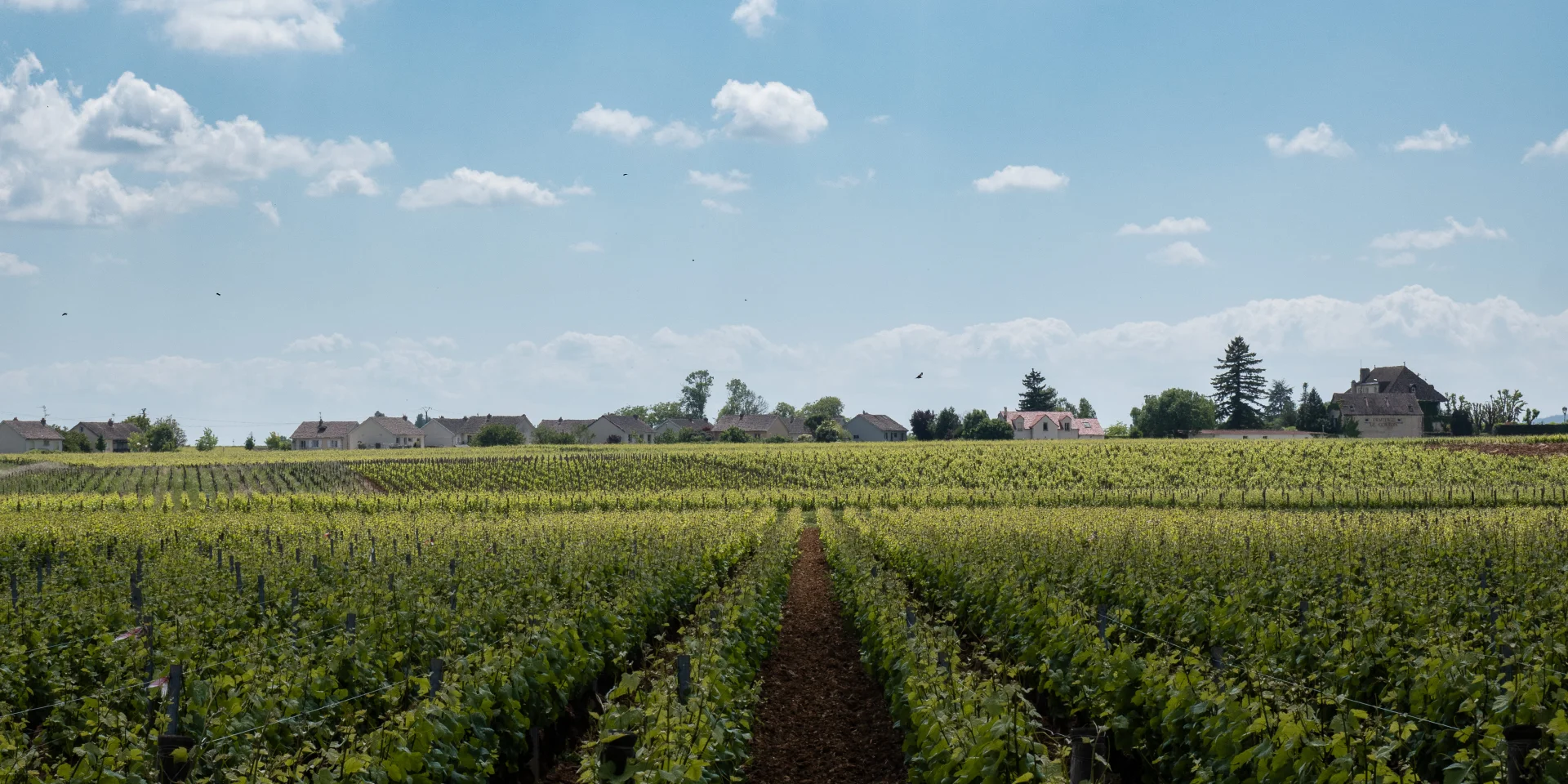
Burgundy creates a specific kind of travel panic. You know the names, Beaune, Meursault, Gevrey-Chambertin, Vosne-Romanée, Puligny-Montrachet, but you are not sure how they fit together on the ground, and every guide makes it sound as if you can simply drift through famous villages and collect transcendent tastings. The reality is more particular. Burgundy is subtle, appointment-sensitive, and much more about route discipline than broad spectacle.
That is why timing matters so much. The best time to visit Burgundy France for a wine trip is usually spring, especially April through June, when the vineyards are waking up, the route is easier to manage, and you have a better shot at calm, thoughtful visits. Harvest can be thrilling, but it is not always the easiest first trip because the region is busy doing exactly what you came to watch. Summer is lovely but busier. Winter can be intimate, but only if you are prepared for a quieter, more closure-prone rhythm.
Best time to visit Burgundy France: the short answer
Go in spring if this is your first Burgundy wine trip and you want the best blend of access, atmosphere, and route sanity. Go in harvest season if you are comfortable with more planning and you actively want that working-vineyard energy. Do not choose harvest only because it sounds romantic. In Burgundy, romance and access are not always on the same side.
| Season | What it does well | What makes it harder | Who it fits |
|---|---|---|---|
| Spring | Green vineyards, lighter crowds, strong touring rhythm | Cool spells and rain remain possible | First-time Burgundy travelers and wine-focused couples |
| Summer | Long days, lively villages, easy outdoor lunches | More visitors, hotter afternoons, August slowdowns | Travelers combining wine with a broader France trip |
| Harvest and autumn | Color, urgency, atmosphere, major wine events | Busy roads, tighter access, some producers focused on harvest | Repeat visitors and travelers who want the region in motion |
| Winter | Quiet cellars, lower pressure, cozy village stays | Short days, more closures, colder overall feel | Travelers who want intimacy over scenery |
Why spring is usually the smartest first Burgundy booking
Burgundy is not a region that overwhelms you with scale. It wins through detail. Spring gives those details room to register. The villages feel active but not overrun, roads are easier, and cellar visits are less likely to compete with the most intense part of the wine calendar. You can spend a morning in Beaune, drive a measured section of Route des Grands Crus, sit for lunch, and still have energy for one meaningful tasting in the afternoon.
This matters because Burgundy does not reward brute-force touring. The famous names sit close together, but the value of the trip comes from moving attentively, not quickly. Spring helps by reducing background friction. You are more likely to experience the region as a chain of beautiful, precise decisions rather than a rush between villages whose labels you already know.
If you are the kind of traveler who wants to understand the difference between staying in Beaune and sleeping farther north, or who would rather do one strong domaine visit than four random tastings, spring is the season that supports that approach best.
When harvest is worth it, and when it is not
Harvest is Burgundy at its most charged. Vineyards glow, the region feels fully awake, and major autumn events add extra gravity. If your dream is to see Burgundy looking and feeling like a working wine region instead of a beautifully staged one, autumn can be wonderful.
But this is the tradeoff guides often understate: harvest is also when producers are busy with harvest. You may see more activity and get less access. Some experiences become harder to line up precisely because the region is doing its real job. That can still be worth it, especially for repeat travelers or wine obsessives who care as much about atmosphere as direct tasting access. It is simply not the easiest version of Burgundy to book well.
This is why spring remains the safer recommendation. Harvest is a higher-variance choice. The ceiling is wonderful. The floor is a trip that feels harder than it had to.
Beaune or Dijon: where to stay for a first wine trip
Base yourself in Beaune unless you have a specific reason not to. It is the cleanest first answer because it places you close to key villages, puts restaurants and cellar culture within easy reach, and gives the trip a natural center of gravity. You can do a lot from Beaune without the days feeling fragmented.
Dijon works better when the trip is not purely about wine, or when you want a larger city base with museums, architecture, and easier rail flow. It can absolutely work, especially if you are blending Burgundy wine time with a broader Burgundy city break, but it is slightly less direct for a first tasting-led itinerary.
Staying in a tiny village can sound romantic, and sometimes it is. It can also become awkward by the second evening if dinner options are limited and every move requires another drive. For a first trip, Beaune gives you enough structure to keep the region generous instead of fiddly.
Plan your Burgundy wine trip with smarter route logic
SearchSpot compares bases, tasting clusters, and seasonal tradeoffs so your Burgundy trip is shaped around the right villages, not random pins.
Plan your Burgundy trip on SearchSpot
Car, train, or bike: how to move through Burgundy without wasting the trip
Rail gets you into Burgundy easily. A car makes Burgundy work. That is the cleanest way to think about it. You can arrive by train and then rent a car locally, which is often the smartest blend for international travelers. The point is not speed. It is flexibility. Burgundy's pleasures come from being able to stop in the right village, take the short detour, and not turn every afternoon into a connection problem.
The exception is if you are deliberately keeping the trip very local. A Beaune stay with nearby tastings, lunch, and perhaps cycling can be excellent without much driving. But the moment you want to compare north and south or chase a tighter producer list, the car starts making sense quickly.
As for pacing, think in clusters. One village zone in the morning, lunch, one more stop, then back to base. Do not build the day around label-chasing from one end of the route to the other.
How many tastings per day in Burgundy actually feel good?
Usually two. Burgundy tastings often ask more attention of you than broad-pour tourist setups elsewhere. The wines are more about nuance, the conversations tend to reward focus, and the villages themselves deserve time. Rushing through four appointments because the map looks compact is a classic way to flatten the trip.
Burgundy gets better when you leave room for context. Walk the streets in Beaune. Sit longer at lunch. Pause at a vineyard viewpoint. The best trips here feel precise, not maximal.
What I checked before making this call
This recommendation leans on current regional tourism sources, booking guidance, and transport information, not just generic wine-trip listicles.
- Route des Grands Crus FAQ
- Harvest in Burgundy guide
- Meet the winemakers in Burgundy
- Autumn in Burgundy and major events
The call
For most first-time travelers, spring is the best time to visit Burgundy France for a wine trip. It gives you access, beauty, and the right tempo for the region's subtlety to land. Harvest is still worth it when you want atmosphere badly enough to accept a little more friction.
Base in Beaune, plan in clusters, and keep the trip smaller than your excitement initially suggests. Burgundy rewards restraint more than almost any other famous wine region.
Plan your Burgundy wine trip with smarter route logic
SearchSpot compares bases, tasting clusters, and seasonal tradeoffs so your Burgundy trip is shaped around the right villages, not random pins.
Plan your Burgundy trip on SearchSpot
The mistake Burgundy punishes most
The classic Burgundy mistake is chasing famous labels instead of planning good days. Travelers see the density of iconic villages and assume the trip should be about how many names they can touch. In reality, Burgundy feels best when you slow down enough to notice how different one lunch stop, one village walk, and one thoughtful tasting can feel within a very small geography.
If your plan starts sounding like a collector's itinerary, cut it back. Choose fewer villages, better lunches, and one base that removes friction. Burgundy rarely rewards the traveler who is trying to win. It rewards the one who is paying attention.
Plan with SearchSpot
Plan your Burgundy trip on SearchSpot
Burgundy is not the place to optimize for total winery count. It is the place to optimize for quality of hours. That one mindset shift changes almost every planning decision for the better.
That is why Beaune stays such a dependable first base. It turns the region from a scattered set of famous labels into a trip with an actual center, which is usually what first-timers need most.
For a first Burgundy trip, that kind of center matters more than squeezing in one more famous stop.
Turn this research into a real trip plan
SearchSpot helps you compare stays, routes, neighborhoods, and decision tradeoffs in one planning flow so you can move from reading to booking with more confidence.