
Best Places to Live in Italy for Remote Workers: Bologna, Milan, or Turin?
Bologna wins for most remote workers, Milan for access, Turin for value, and Rome when the city itself is the priority.


You can spend days reading “best places to live in Italy” lists and still be left with Milan, Rome, Florence, Bologna, Turin, a dozen coastal towns, and zero answer to the question that matters: where can you work without turning every weekday into logistics?
For a remote worker, Italy is not one lifestyle. Milan sells access and speed. Bologna sells a much better day-to-day rhythm. Turin quietly wins if you want city infrastructure without paying Milan’s premium. Rome is brilliant in bursts, but it is a choice you make for Rome, not for frictionless remote work.
Our call: base in Bologna if you want Italy to work as a real workweek. Pick Milan only when meetings, industry access, and international connections are worth the higher housing bill. Pick Turin when you want value and mountains, not constant social momentum.
First, decide what “best” means for your work
Generic relocation lists often rank scenery, food, or tourist appeal. Those matter, but they do not answer whether your call will start on time, whether you can find a furnished flat without a heroic hunt, or whether a Tuesday feels livable after six weeks.
Use four filters: housing pressure, airport and train access, your need for international professional density, and how much administrative friction you tolerate. Italy's AGCOM Broadband Map can check fixed, mobile, and wireless availability down to an address. Use it before viewing, then confirm the provider, plan, router position, and a fresh speed test from the exact apartment.
1. Bologna: best overall base for most remote workers
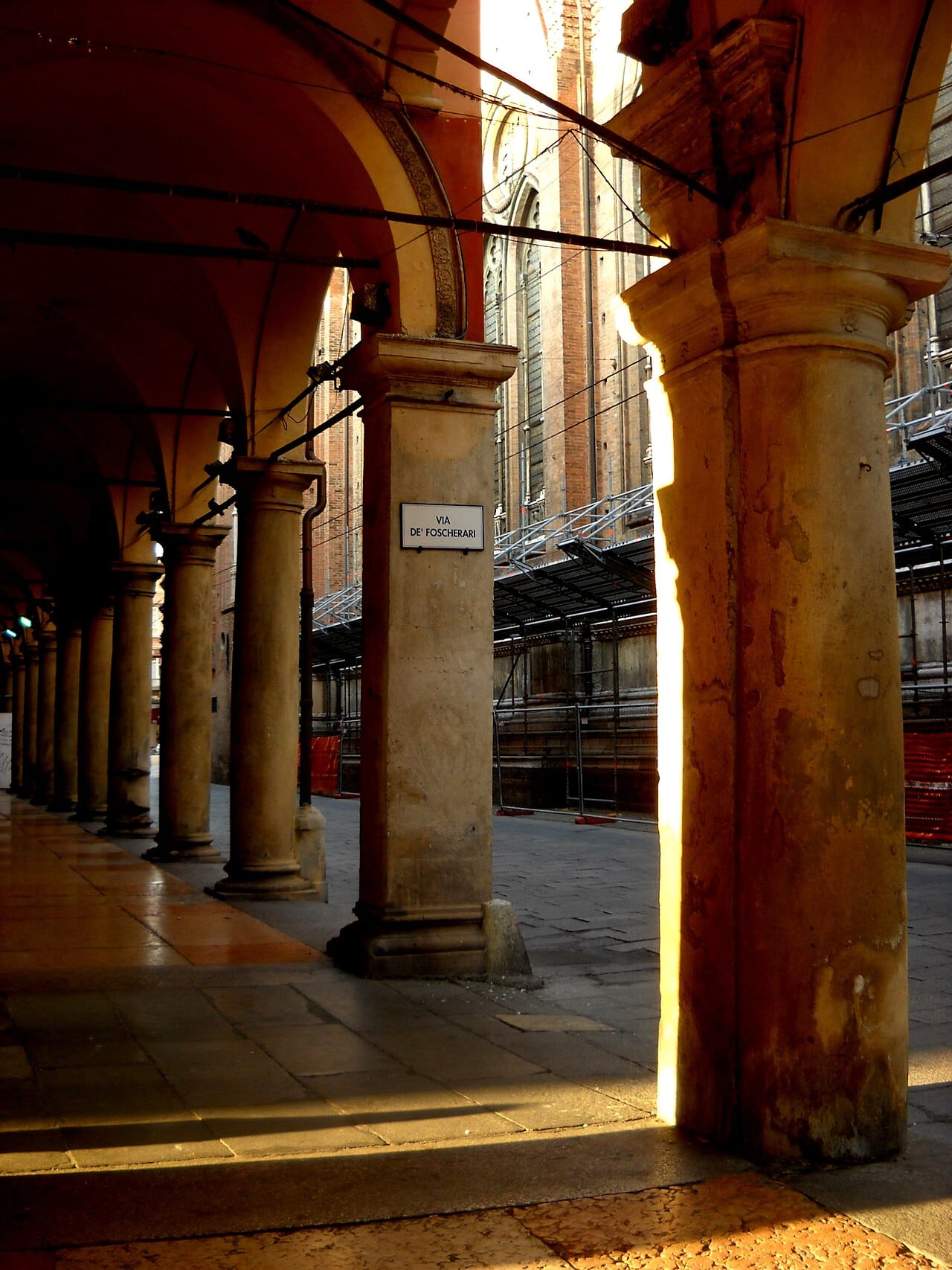
Bologna is the answer when you want a compact city that behaves like a city. It has a major university, an active food and cultural life, good rail access, and enough density that errands do not eat your day. The porticoes are not a lifestyle gimmick. They make walking, coffee meetings, and rainy-season work breaks easier than in cities designed around cars.
It is also a better fit for a remote worker who does not need to live inside a permanent networking event. You can build a routine, work from a home desk, then step into a neighborhood rather than a visitor economy. Look around Centro Storico if you value walkability and accept a premium. Bolognina is the pragmatic option for station access and newer housing stock. Saragozza makes sense if you want a calmer residential feel without abandoning the center.
The trade-off: Bologna is no longer cheap, and the rental market moves fast. Treat any online price as an opening bid for research, not a promise. A furnished, well-connected short-to-medium-term place can cost materially more than a long local lease.
2. Milan: best for career density, not value
Milan is Italy’s cleanest choice for someone whose remote job still benefits from being around businesses, events, clients, and international flights. The city has the deepest coworking and tech ecosystem in the country, and it carries the clearest housing premium in this shortlist. Do not turn a citywide estimate into a promise: compare available homes with the same dates, lease length, furnishing, utilities, and deposit. The premium is defensible only when the access changes your working or social life.
Choose Milan if a fast airport connection, regular in-person work, or a highly international social scene will change your life enough to justify the premium. For a calmer setup, look beyond the central fashion-district fantasy. Isola has energy and transit. Porta Romana balances residential life and access. Città Studi can work for a more practical, student-adjacent rhythm.
Skip Milan if you are hoping it will deliver cheap Italy plus big-city opportunity. It delivers opportunity. Cheap is not part of the deal.
Compare the Italian workweek you would actually have
Ask SearchSpot to weigh Bologna's compact rhythm, Milan's access, and Turin's value against your meetings, travel, housing ceiling, and social needs.
Compare my Italy bases
3. Turin: best value if you want a serious city
Turin is the sensible pick many lists mention too late. It has urban scale, easier access to the Alps, a stronger value proposition than Milan, and a more measured pace. It is not trying to perform Italy for visitors every hour of the day. That is a feature when your work needs concentration.
For remote workers, Turin works best when you are comfortable creating your own community rather than expecting it to find you. San Salvario offers life and transit, though it can be noisy. Crocetta is more polished and residential. Vanchiglia is worth looking at if you want younger energy and a walkable relationship with the center.
Its limitation is simple: less international career density than Milan, and less immediate “everyone is passing through” energy than Bologna. If neither matters, Turin may be Italy’s best trade-off.
4. Rome: choose it for intensity, not efficiency
Rome can be a deeply rewarding base. It also asks more of you. Short, furnished stays and long local leases produce very different prices, so build the housing plan from comparable live options. The useful conclusion is directional: Rome is expensive enough to require a real reason for choosing it, and daily friction can be high.
Test neighborhoods, not just city branding. Prati gives you calmer streets and metro access. Testaccio has a lived-in atmosphere and food culture. Pigneto attracts a more creative, younger scene. Whatever you choose, inspect the exact building, elevator, heating, and internet setup. Rome is not where you assume a listing’s “fast Wi-Fi” means a client-ready connection.
What about Florence, Naples, or the coast?
Florence is beautiful but increasingly hard to recommend as a default long-term work base because tourist pressure distorts housing. Naples has energy, lower costs in some comparisons, and an exceptional cultural pull, but it is a better choice for someone who wants its specific intensity. Coastal towns can be wonderful for a season, but they often lose the year-round coworking, housing, and transit resilience that makes a base practical.
Visa reality before you book
Non-EU remote workers should not treat lifestyle advice as immigration advice. Italy separates digital nomads from remote employees and limits the route to qualifying highly skilled work. The current official checklist also covers prior experience, insurance, registered accommodation, income evidence, and extra employer documents for remote workers. Requirements and financial thresholds can vary by category and consular jurisdiction, so use the checklist for the consulate responsible for your application before paying a deposit.
Best places to live in Italy: final decision
Choose Bologna if your priority is a durable remote-work life with rail access, walkability, and a city that feels human on a Wednesday. Choose Milan if access is worth paying for. Choose Turin if you want the underrated value play. Rome is the right choice only when Rome itself is the point.
Test the city before signing
Book a flexible first month. Check the exact apartment on AGCOM's map, then test the connection, winter heating or summer cooling, the nearest work fallback, and the route to the station. Ask for provider name, plan speed, router location, utility responsibility, and a recent speed test. “Wi-Fi included” is not a work guarantee.
Score each home on five items: verified internet, walkable backup workspace, transport to your recurring destinations, heating or cooling you understand, and a neighbourhood you would still enjoy after the novelty fades. A charming flat that forces a separate desk rental may be worse value than a plainer home that supports the whole week.
Time zone is another filter. Italy fits European and UK schedules easily and can overlap the US East Coast later in the day. US West Coast collaboration pushes more work into the evening. Run that timetable for one week before assuming the lifestyle will absorb it.
The Italy decision rule
Choose Bologna for the best all-round remote-work rhythm. Choose Milan when business access and international connections repay the housing premium. Choose Turin when value, urban scale, and mountain access matter more than a ready-made international network. Choose Rome only when living in Rome is itself the priority.
Keep the first commitment short. Test a normal Tuesday, a rail or airport day, and one evening return before taking a long lease. The best city recommendation is still a hypothesis until your work, social needs, and recurring journeys fit it.
Build the first month around evidence
Connect immigration checks, address-level internet, live housing options, rail needs, and one decision date before a temporary stay becomes a lease.
Build my Italy first-month plan
Check before you go
Internet availability, rents, transport, weather, and immigration procedures can change. These official sources were checked on October 7, 2026; verify the exact address, date, and application route before paying or moving to Italy.
- AGCOM Broadband Map: address-level fixed, mobile, and wireless coverage checks
- Italian Embassy in Washington: 2026 digital-nomad and remote-worker visa checklist
- Official Bologna tourism site: rail and airport connections
- Official Bologna tourism site: porticoes and walkable city fabric
- Trenitalia: current national and regional timetables
Turn this research into a real trip plan
SearchSpot helps you compare stays, routes, neighborhoods, and decision tradeoffs in one planning flow so you can move from reading to booking with more confidence.