
Best Places to Live in Costa Rica for Remote Workers: Where Wi-Fi Wins
Choose a Costa Rica base by the workday it supports: compare the Central Valley, Tamarindo, Santa Teresa, Nosara, and Puerto Viejo.

.jpg)
The best places to live in Costa Rica are not interchangeable for a remote worker. The decision gets flattened into a bad binary: San José if you want a city, Tamarindo if you want a beach. That is how people end up paying beach-town rent for a rental with fragile Wi-Fi, or living in the capital when what they wanted was an early surf and a short workday.
Our call: choose the Central Valley if reliable work setup is non-negotiable. Choose Tamarindo only if you want a social surf town and can afford its premium. Pick Santa Teresa or Nosara for a deliberate lifestyle season, not because someone promised “paradise with Wi-Fi.”
Why this decision matters more than the postcard
Costa Rica is not a low-cost escape in the way stale nomad content suggests. Housing and imported goods can surprise you, and beach-town logistics change dramatically with season, road conditions, and your exact rental. The useful question is not whether Costa Rica is cheap. It is whether the place you choose supports the work that pays for it.
Start with three constraints: how often a failed home connection would hurt you, whether you need easy airport and health-service access, and whether you want community built around professional routine or around surf tourism. Your answer will probably decide the map before an Instagram reel does.
1. Central Valley: best for dependable remote work
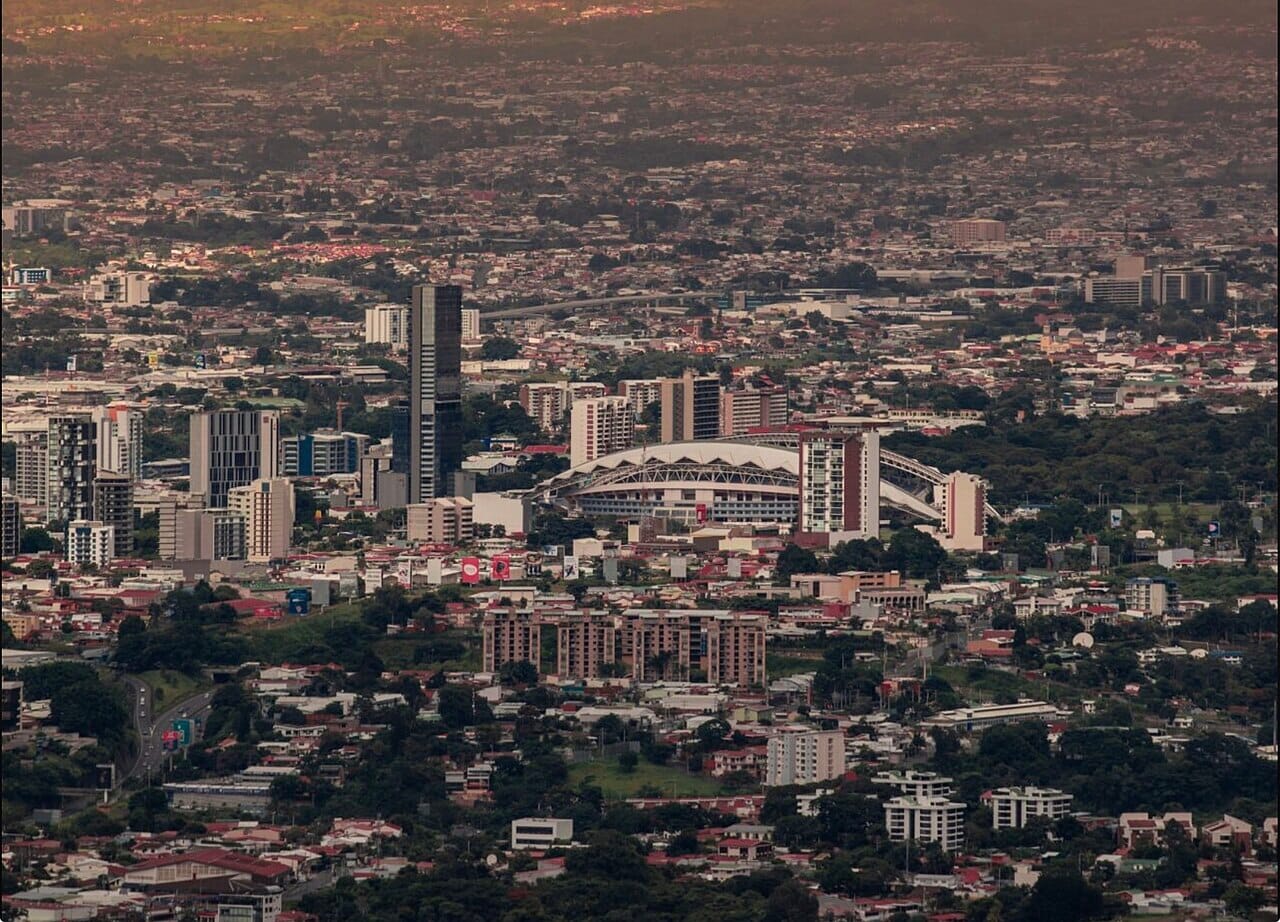
San José and the broader Central Valley are not the fantasy answer. They are the practical one. Costa Rica's telecom regulator, SUTEL, publishes fixed-network reports, coverage tools, and an operator comparison service. Use those tools as a shortlist filter, then ask for the provider, plan, and a fresh speed test from the exact room. Neighbourhood coverage is useful evidence; it is not proof that one apartment is call-ready.
San José also gives you access to coworking, services, supplies, hospitals, and airport connections. Costa Rica Workstation is one example of a dedicated San José coworking option. Use a coworking day pass during your first week even if your rental says it has fast internet. It buys you a backup plan while you test your home setup.
Do not anchor on a citywide rent estimate. A long local lease, a furnished monthly stay, and a serviced apartment are different markets. Compare live options with the same dates, furnishing, utility treatment, deposit, and cancellation terms. Your useful number is the all-in cost of a place you can actually book and work from. Escazú and Santa Ana suit people who want a more polished, car-friendly environment. Barrio Escalante is the better fit if you want restaurants, walkability, and city texture. Heredia can be a sensible value-oriented option with access to the metro area.
2. Tamarindo: best for social beach life, not savings
Tamarindo works when you want a beach town that is easy to enter socially. It has surf, restaurants, visitors, English-language services, and enough activity that you do not need a perfect friend group on day one. It is also the Costa Rica choice most likely to punish a vague budget.
Tamarindo is a premium market, especially for flexible furnished stays in the busiest months. Compare the complete stay, not a headline rent: add electricity for air-conditioning, a work fallback, airport or bus transfers, and the price of changing homes if the connection fails. A cheaper listing with no backup can be the expensive choice.
Choose Tamarindo if beach access and a ready-made social scene are worth that premium. Do not choose it because you assume every coastal Costa Rica town delivers the same work reliability at a discount.
Compare the workday, not just the scenery
Ask SearchSpot to weigh Central Valley reliability against Tamarindo's social beach life using your dates, calls, transport, and backup-workspace needs.
Compare my Costa Rica bases
3. Santa Teresa and Nosara: lifestyle first, resilience second
Santa Teresa and Nosara can be extraordinary. They are also places where the difference between a good rental and a bad one is enormous. Beach-town internet is more variable, and a dedicated workspace may be safer than accepting an untested connection in a villa. Housing can be expensive relative to the level of infrastructure, particularly during high season.
Go here when you have a flexible work culture, tolerance for slower logistics, and a clear reason to prioritize surf, yoga, or an outdoors community. If you run frequent video calls, support a team across time zones, or need high-stakes uptime, start in the Central Valley and visit the coast. You can always lengthen a good coastal stay. It is much harder to unwind a lease that makes your job stressful.
4. Puerto Viejo: best for a lower-key Caribbean reset
Puerto Viejo is worth considering if you want a smaller, more Caribbean-influenced base and do not need a big coworking ecosystem. It can price below the most pressured Pacific beach towns, but transport, seasonal availability, and furnished-stay terms can erase that advantage. It is the interesting alternative for someone who values slower days over network density.
What a realistic monthly plan looks like
A useful monthly plan starts with commitments, not a generic nomad average. A one-month furnished place, a long local lease, an air-conditioned apartment, and a coworking membership are not comparable categories. Price one available home in each finalist, then add its real utilities, workspace, and transport.
Build a decision budget with five lines: rent, utilities and AC, food, reliable workspace, and ground transport. Add an arrival buffer. A beautiful rental with no viable backup workspace is not cheaper if one missed meeting costs you a client.
Digital nomad status: verify it before planning around it
Costa Rica's official digital-nomad requirements currently ask for remote income from outside the country of at least US$3,000 a month, or US$4,000 when applying with dependants, supported by income evidence. The procedure and documents matter as much as the headline threshold. Confirm eligibility, translations, insurance, payment, dependants, and the correct DGME application route before committing money.
Best places to live in Costa Rica: final decision
Pick the Central Valley if your income depends on stable workdays. Pick Tamarindo if you want the easiest beach-town landing and can pay for it. Pick Santa Teresa or Nosara only when lifestyle is the point and you have a verified work fallback. Costa Rica works beautifully for remote workers when you choose for your Tuesday, not your vacation photo.
Test the base before signing
Book a flexible first stay near a confirmed workspace. Ask each host for the provider, plan, fresh in-unit speed test, router location, outage history, and mobile reception. Run your normal calls when you normally work, not only at check-in. Then test the route to a coworking fallback in rain and after dark.
Score each rental on five items: verified in-unit internet, practical backup workspace, transport you can sustain, utilities you understand, and a neighbourhood routine you would still enjoy after the holiday feeling fades. A four-point home beats a dramatic view with unknown connection quality.
Season changes the decision. Pacific dry-season demand can pressure flexible stays, while rain changes unpaved roads, errands, and transfer times. The Caribbean follows a different pattern. Check Costa Rica's official climate information for your exact region instead of treating the country as one weather forecast.
The Costa Rica decision rule
Start in the Central Valley when work reliability pays your bills. Pick Tamarindo when social beach life is worth its premium. Choose Santa Teresa or Nosara only after confirming a real work fallback. Choose Puerto Viejo for a quieter Caribbean rhythm when you can accept a smaller support network.
Keep the first commitment short enough to change your mind. Establish one stable week, visit the coast or second-choice base, then extend only when the everyday version works. That sequence protects both the job and the adventure.
Turn the shortlist into a two-stage move
Use one prompt to connect season, immigration checks, verified internet, arrival logistics, and the point when a coastal test becomes a longer stay.
Build my Costa Rica landing plan
Check before you go
Internet availability, rents, transport, weather, and immigration procedures can change. These official sources were checked on October 7, 2026; verify the exact address, date, and application route before paying or moving to Costa Rica.
- Costa Rica telecom regulator SUTEL: fixed-network reports, coverage maps, and operator comparison tools
- Costa Rica Tourism Board/DGME: official digital-nomad requirements and income evidence
- Costa Rica Tourism Board/DGME: official application procedure and processing steps
- Costa Rica meteorological institute: climate regions and seasonal differences
Turn this research into a real trip plan
SearchSpot helps you compare stays, routes, neighborhoods, and decision tradeoffs in one planning flow so you can move from reading to booking with more confidence.