
Best Bookstores in London: The Literary Route That Actually Works
The best bookstores in London are not one giant list. They are a route problem. Here is how to sequence Bloomsbury, Charing Cross Road, and Marylebone without wasting the day.

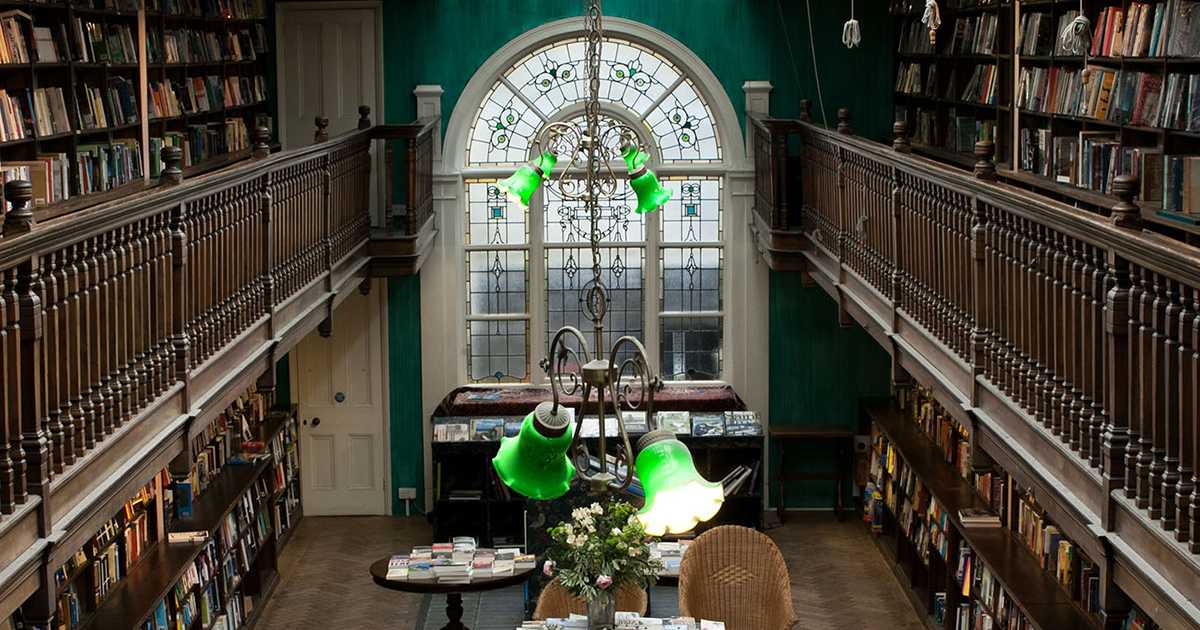
Most guides to the best bookstores in London make the same mistake. They assume your job is to collect famous names. That gives you a long list and a weak day. London is too large, too layered, and too easy to over-program for that approach to work.
The clean answer is this: if you want a London bookstore trip that still feels like London, build one central route around Bloomsbury, Charing Cross Road, and one optional extension, usually Marylebone. Do not try to cram east, west, and canal-side literary detours into the same day just because the Tube exists.
The short answer
| Your goal | Best move | Why it wins |
|---|---|---|
| First literary London day | Bloomsbury into Charing Cross Road | You keep the densest historic and practical cluster together |
| Beautiful flagship browsing | Add Daunt Books as a deliberate Marylebone extension | It is worth seeing, but it should not distort the whole route |
| Bookstore-heavy weekend | Use central day one, neighborhood day two | London gets better when one district carries the story at a time |
| Mixed-interest city break | Stay near Bloomsbury, Fitzrovia, or Soho edge | You keep literary access without making the trip too niche for companions |
Why most London bookstore routes fail
Because they treat the city like a flat map. The major lists, including Visit London and Time Out, are useful because they show the range: Foyles, Hatchards, Daunt, Word on the Water, Goldsboro, LRB, and more. But range is not the same as sequence.
If you try to hit all the famous names in one sweep, you spend the day on transport, queue decisions, and self-congratulation. The smarter move is to choose the version of London reading life you actually want. If you care about legacy, criticism, and classic literary atmosphere, central west and Bloomsbury win. If you care about stylish indie browsing, then Marylebone or one neighborhood extension matters more.
London rewards editing. That is the first rule.
Plan your London literary trip with a better city flow
SearchSpot compares stay areas, bookstore clusters, and walking load so your London route feels coherent instead of crowded.
Plan your London bookstore route on SearchSpot
The route that actually works
Start in Bloomsbury if you want the day to feel anchored in literary London rather than general shopping. This area lets you combine serious browsing with the wider reading culture around the British Museum side of town, university energy, and one of the city's best bookstore-to-cafe rhythms.
From there, move toward Charing Cross Road. This is where Foyles still matters, not because it is a cliché, but because it remains one of the few London bookshops large enough to feel like a public institution. If you want one flagship store that justifies the detour, Foyles is the cleanest answer.
Then decide whether the day needs prestige or intimacy. For prestige, swing toward Piccadilly and Hatchards. For intimacy and criticism, keep the route tighter and use a Bloomsbury finish. For design and travel-shelf glamour, save Daunt Books for a protected Marylebone add-on rather than pretending it naturally belongs to the same walk.
Where each major stop actually fits
Foyles is the backbone
Foyles is the stop I would defend first because it works for almost everyone. The scale, events, location, and shelf depth make it a real centerpiece, not just a famous room. The Visit London guide still uses it as the anchor for a reason.
Hatchards is the prestige chapter
Hatchards is where the day gets more ceremonial. It is best when you want old-school London and do not mind a slightly more formal atmosphere. I would pair it with Piccadilly and St James's energy, not with a rushed East London side quest.
Daunt Books is the elegant extension
Daunt is beautiful and worth the time. It is also the shop people most often misuse. They stuff it into an already full route and then wonder why Marylebone feels like an interruption. If Daunt matters to you, protect the extension and let it be graceful.
Where to stay if bookstores are one of the main reasons you came
Bloomsbury is the best all-around answer. It keeps you close to the strongest first-day route, has good transport without forcing you to rely on it constantly, and gives the trip the right tone in the morning and evening.
Fitzrovia or Soho edge are the best compromise if the trip is mixed, because they keep bookstore access strong while also making restaurants, theatre, and general city life easier. Marylebone is lovely, but I would only stay there if you already know you want the polished side of the bookstore trip. It is a lifestyle choice, not the default answer.
I would not stay too far east if bookstores are a core priority. The day will keep drifting back west anyway. Better to admit that upfront and book the city you actually want.
How many bookstores should you actually try to do?
Three serious stops is a good day. Four is possible if the route is compact and your energy is high. More than that usually means the browsing quality collapses. Bookstore travel is not a numbers game. The whole value is that one room changes your pace, one stack surprises you, and one neighborhood teaches you what kind of reader-city London still is.
This matters especially in London because the temptation to keep adding names is enormous. The Tube convinces people every detour is harmless. It is not. What looks efficient on the map can eat half the mood of the day.
What to skip without regret
Skip the urge to do canal-side and East London bookstore glamour on the same day as Bloomsbury and Charing Cross unless you are in the city for several days and literary travel is the whole point. Skip the belief that every famous bookstore is equally necessary. Skip any plan that makes Marylebone and King's Cross feel like mandatory add-ons instead of choices.
The other thing to skip is the false romance of staying far away in a neighborhood that feels more boutique but keeps you commuting back into the reading life you came for. For a bookstore-first trip, centrality is not boring. It is intelligent.
Current planning details that matter
The London lists are current, but they change in emphasis every year, which is a good reminder that shops open, close, expand events, and shift hours. That is why I would check the specific shop pages, especially for event nights and Sunday browsing windows, before freezing the route. London bookstore days improve when one event or late opening fits naturally, not when you assume everything will line up.
The good news is that the core route is resilient. Foyles, Hatchards, and the main central clusters are not delicate one-season secrets. The route works because the city still supports it.
The recommendation
If you want the best bookstores in London without turning the day into transport admin, start in Bloomsbury, move into Charing Cross Road, choose either Hatchards or Daunt as your statement stop, and let everything else be optional.
That gives you a literary London route with weight, beauty, and enough space to browse properly. Which is the whole point.
Build the London bookstore day that keeps its shape
SearchSpot helps you compare Bloomsbury, Soho, Marylebone, and bookstore sequencing before the city turns your literary plan into a Tube map.
Build your London literary route on SearchSpot
Planning receipts
Turn this research into a real trip plan
SearchSpot helps you compare stays, routes, neighborhoods, and decision tradeoffs in one planning flow so you can move from reading to booking with more confidence.