
2028 Solar Eclipse: Sydney or the Kimberley, and Which Base Is Actually Worth the Trip
Choose Sydney for trip resilience or the Kimberley for eclipse-first ambition—then protect the plan with flexible bookings, mobility, and safe viewing.

.jpg)
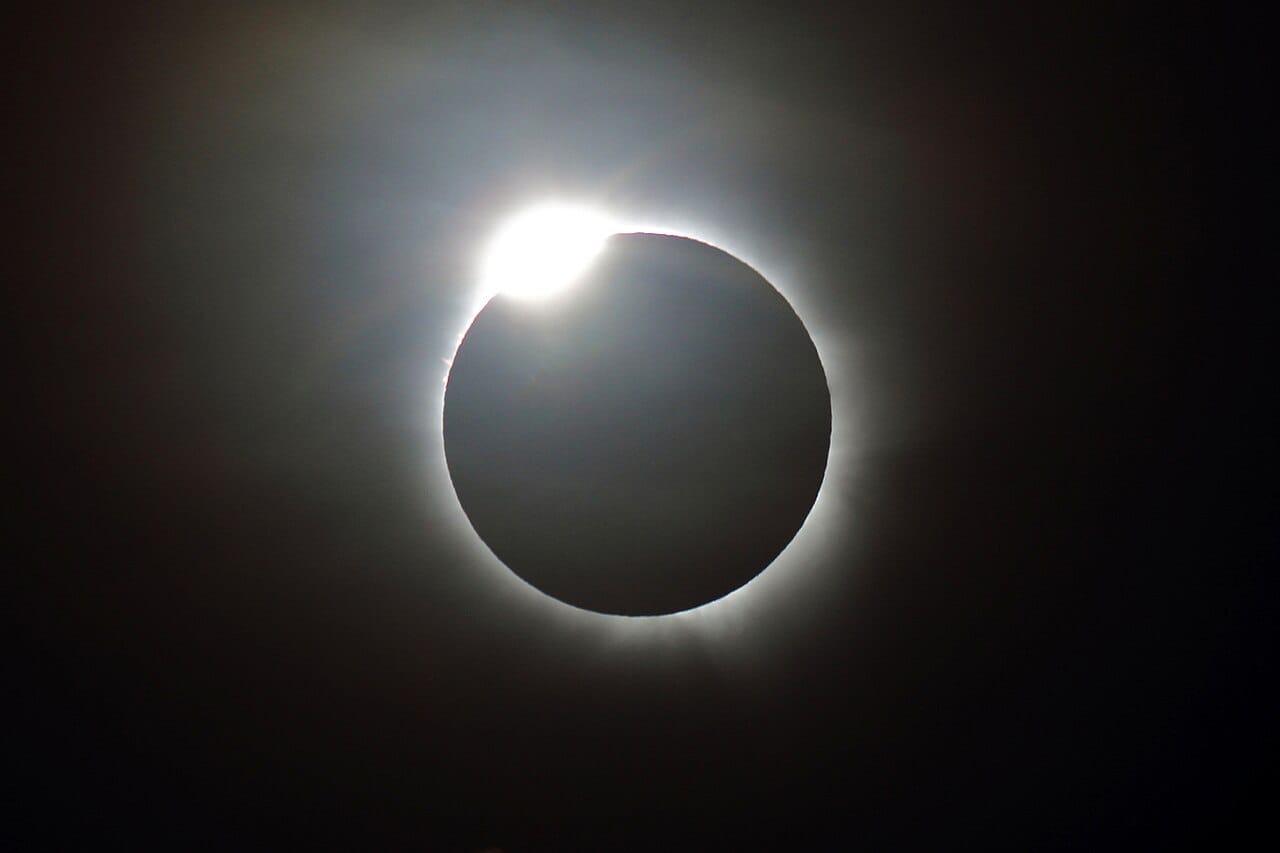
A total eclipse trip can go wrong long before totality starts. The classic mistake is chasing the theoretical best point on the map while ignoring beds, flights, backup transport, and how much slack you need if one part of the chain slips. The 2028 solar eclipse has exactly that trap. On July 22, 2028, the path crosses remote western Australia, cuts through the outback, and then finishes over Sydney before carrying on toward New Zealand. That creates two very different trip shapes: a harder expedition built around longer totality, or a much easier city-based eclipse that most travelers can execute better.
My short answer: most international travelers should base around Sydney. Western Australia wins on raw duration, but Sydney wins on air access, room inventory, recovery options, and simple trip resilience. A well-executed three-minute-forty-nine-second eclipse is better than a heroic plan that collapses under its own logistics.
Why the 2028 eclipse is such a big travel event
NASA’s eclipse data for July 22, 2028 shows a total solar eclipse with a maximum duration of about 5 minutes 10 seconds near the point of greatest eclipse. The National Solar Observatory maps the path across Australia and New Zealand and calls out Sydney among the major populated places inside totality. Sydney Eclipse, a local planning site built around the event, currently lists about 3 minutes 49 seconds of totality over the city and notes that July 22, 2028 falls on a Saturday inside the Australian school holiday window.
| Option | Why it works | Main caution |
|---|---|---|
| Sydney | Major airport, deep hotel stock, easy recovery if plans move, full totality | More demand, less duration than remote Western Australia |
| Kimberley or remote WA | Longer totality and a purer eclipse-chase feel | Thinner lodging and transport, fewer backup paths |
| Interior path towns | Potentially less crowded while still inside totality | You need to build your own inland road or air chain carefully |
2028 solar eclipse numbers that matter
NASA lists July 22, 2028 as a total solar eclipse crossing Australia and New Zealand, with a maximum totality of about 5 minutes 10 seconds near greatest eclipse. NASA's Sydney circumstances give the city about 3 minutes 49 seconds. That difference matters to committed eclipse chasers, but it should not be mistaken for the whole travel decision. Sydney gives up roughly a minute and twenty seconds against the theoretical maximum while gaining a major international gateway, much deeper lodging stock, and more ways to build a worthwhile Australia trip around the event.
Do not treat a path map as a venue guarantee. Public viewing plans, transport controls, road closures, accommodation rules, and local event zones will develop closer to 2028. Use NASA data to choose a region now; use current state, city, operator, and accommodation information before making each nonrefundable commitment.
Book the 2028 eclipse in phases
- Now: choose Sydney-resilient or remote-eclipse-first, set a budget ceiling, and watch official planning channels.
- When inventory opens: hold cancellable lodging with enough nights before totality to absorb a delayed arrival.
- Closer to travel: choose a primary viewing zone and a second legal zone reachable without a heroic overnight drive.
- Final week: use current forecasts and official traffic controls, then stop changing the plan once movement creates more risk than weather advantage.
Keep the eclipse day deliberately empty. A timed harbor cruise, remote flight, or long transfer can remove the mobility you paid to preserve. The best plan has one job before totality and a pleasant city or regional fallback afterward.
Protect eyes and cameras
NASA says ordinary sunglasses are not safe for viewing the uneclipsed or partially eclipsed Sun. Use compliant solar viewers, inspect them before use, and keep proper solar filters on cameras, binoculars, or telescopes. Only during the brief total phase, when the bright solar face is completely covered, can viewers come off; put them back on as soon as bright sunlight reappears.
The real decision: maximum duration or maximum trip resilience
Travelers talk themselves into the wrong answer here because eclipse culture rewards the centerline. That matters, but it is not the only thing that matters. Once you are inside the path, the practical question is how much extra complexity you are adding for another minute or so. If you are already comfortable with remote road or air logistics and the eclipse is the whole point, Western Australia is stronger as a pure chaser play. If you are a first or second time eclipse traveler flying long-haul, Sydney is usually smarter.
Choose a base from the whole trip, not one number
SearchSpot can compare duration, access, lodging depth, weather mobility, and the rest of your Australia trip in one decision.
Compare my 2028 eclipse bases
Why Sydney is the default recommendation
Sydney behaves like a real trip instead of a brittle field operation. You can arrive early, adjust to the time zone, and keep multiple neighborhoods or day-trip options alive. If the weather picture makes you nervous, a large city base with road and air options is simply easier to manage than a remote plan with limited inventory. It is also easier to justify a four-night stay in Sydney than in a tiny path town if the eclipse is one part of a broader Australia trip.
When the Kimberley is worth the extra effort
The Kimberley is worth it if the eclipse itself is the whole point, not just one part of a wider holiday. The longer totality is real, and for experienced chasers it matters. But what people underestimate is not only remoteness. It is decision brittleness. Thin room inventory, longer transfer chains, and fewer recovery options mean every mistake costs more.
How many nights to book
For Sydney, I would book at least four nights. For remote Australia, I would rather have five or six nights if the eclipse is the central purpose. More nights do not create weather certainty, but they buy you emotional and operational margin.
The call
If this is your first big Southern Hemisphere eclipse trip, choose Sydney. Choose the Kimberley only if you already know you are optimizing for eclipse-first travel and are comfortable paying for the extra complexity. The best eclipse trip is not the one that wins a map argument. It is the one you can actually execute without leaving half the outcome to chaos.
Build a mobile eclipse plan before bookings harden
Connect official eclipse data, flexible nights, two viewing zones, transport, and backup activities into one resilient itinerary.
Build my Australia eclipse trip
Check before you go
Hours, fees, access, tour calendars, transport, and event operations can change. These official pages were checked on August 24, 2026; recheck them before paying or traveling.
Turn this research into a real trip plan
SearchSpot helps you compare stays, routes, neighborhoods, and decision tradeoffs in one planning flow so you can move from reading to booking with more confidence.