
Yellowknife Northern Lights: Best Time, Best Base, and How Many Nights to Book
A Yellowknife northern lights trip gets much stronger when you stop treating the aurora as a one-night gamble and start planning around season, darkness, and warmth.

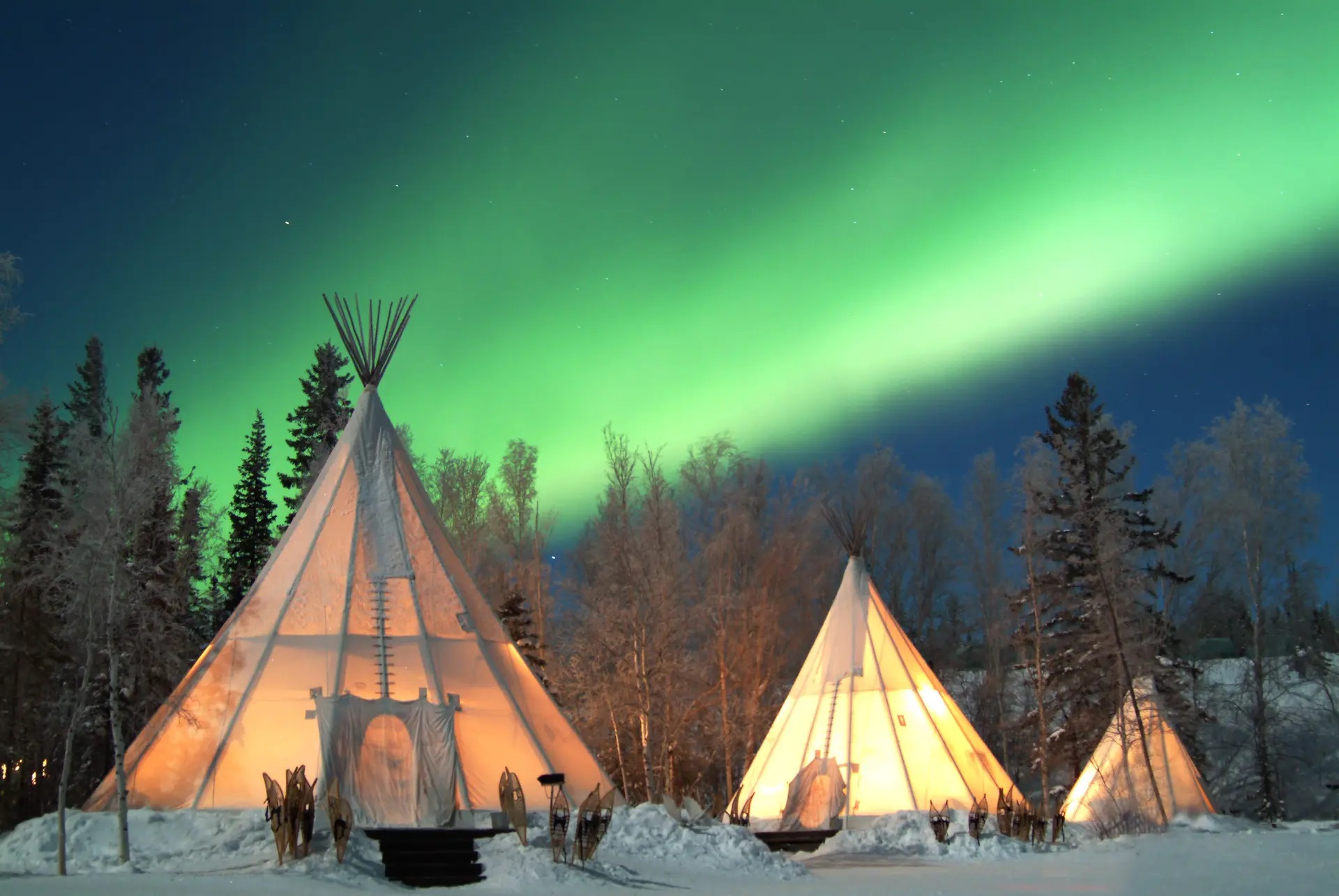
Yellowknife is where a lot of northern lights travelers go when they are tired of vague advice. That instinct is right. The city has one of the strongest reputations in aurora travel for a reason. But people still ruin the trip by booking too few nights, choosing the wrong season, or saving money on a setup that leaves them cold and impatient when the sky takes its time.
If you want the decisive recommendation, do Yellowknife in late November through February for the easiest first trip, choose a dark-sky lodge or heated teepee setup if the budget allows, and book four to five nights. If you want milder weather and less winter punishment, September is the smart alternative.
The short answer
| Decision | Best call | Why |
|---|---|---|
| Best season for first-timers | Late November through February | You get long dark nights and the classic aurora-trip feel. |
| Best shoulder-season play | September | You get milder weather without losing the core logic of the destination. |
| Best base | Aurora lodge or heated teepee setup | Warm shelter at the dark-sky site keeps you out longer. |
| How many nights | 4 to 5 | You need room for clouds, weak activity, and one wasted night. |
Why Yellowknife keeps winning the comparison
The Northwest Territories tourism board keeps pointing to the same advantages: Yellowknife sits beneath the auroral oval, has unusually clear skies, and gets you close to true darkness fast. That combination is what makes the destination so durable in serious aurora planning.
This is also why Yellowknife works better than a lot of “maybe you will get lucky” northern lights ideas. You are not just traveling north. You are choosing a place where the viewing logic is unusually strong. Official tourism materials regularly frame the territory around roughly 240 aurora-viewing nights a year, which is not a promise for your exact dates but is a useful signal about the destination's baseline strength.
The best time to book a Yellowknife northern lights trip
There are really two good trip shapes here.
Late November through February: the easiest first-timer version
This is the classic. Long darkness, strong winter atmosphere, and the version of the trip most people are imagining when they book it. If you want the emotional reality to line up with the photo in your head, this is the safest call.
September: the smart alternative
Yellowknife's tourism board also makes a persuasive case for fall aurora travel. The weather is easier, you avoid the hardest cold, and darkness has already returned in a meaningful way. September is especially good for travelers who want long waits outside to feel survivable.
The period I would be careful with is the cloudier transition between fall and deep winter. If your tolerance for weather disappointment is low, stay with September or the late-November-through-February window.
Plan your Yellowknife northern lights trip with better odds, not just better photos
SearchSpot compares season, lodge style, and sky-chasing logistics so your Yellowknife northern lights plan is built around real viewing chances.
Plan your Yellowknife northern lights trip on SearchSpot
City hotel or aurora lodge?
If budget allows, choose the lodge-style setup. Downtown Yellowknife can work, especially if you like a normal hotel rhythm and plan to join guided tours out of town. But a northern lights trip is a waiting game, and waiting gets easier when your warm shelter is already at the dark site.
Aurora lodges and teepee setups exist because they solve the hardest part of the night. They keep you warm, fed, and willing to stay outside longer overall. That matters more than people think. A lot of missed aurora nights are not caused by no aurora. They are caused by people getting tired, cold, and impatient before conditions improve.
The city is still the right call if you want a lower-cost trip or more restaurant flexibility. But for a first trip where the aurora is the whole prize, the lodge format is cleaner.
How many nights you actually need
Book four to five nights. Three is survivable. One or two is optimistic to the point of being unfair to yourself.
Cloud cover, weak activity, late timing, or simple fatigue can wipe out a short trip. Yellowknife is strong, but it is not a switch you flip. The City of Yellowknife forecast page and the linked Astronomy North forecast are part of the plan, not optional reading.
If you are flying a long way, I would not go shorter than four nights. That is the point where the trip stops feeling like one tense gamble and starts feeling like a structured attempt with real margin.
What travelers usually underestimate
1. Warmth is strategy, not comfort theater
Heated teepees, cabins, and warm-up stops matter because they keep you outside longer overall. That directly affects your odds of seeing the lights at the right moment.
2. Official forecast tools are part of the trip
Use the City of Yellowknife aurora forecast page, then check the linked Astronomy North forecast. The city's Northern Lighthouses signals are also useful. This destination is unusually good at telling visitors when conditions line up.
3. Yellowknife is not only a winter destination
September is underrated because people assume the trip only counts if it hurts a little. That is nonsense. If you want lower friction and better comfort, September is one of the smartest aurora months on the calendar.

The decision
The best Yellowknife northern lights plan for most first-timers is a four-to-five-night trip, built around a dark-sky lodge or teepee base, in late November through February, with September as the comfort-first alternative.
That setup respects the real structure of aurora travel. It gives you dark hours, forecast flexibility, and somewhere warm enough to wait without making bad decisions. Yellowknife rewards that kind of planning because the destination already gives you the hardest part: a strong place to try.
Need help choosing between a winter lodge trip and a September Yellowknife plan?
SearchSpot cross-checks season, lodge style, and trip length so you can stop guessing which version of Yellowknife fits you best.
Compare Yellowknife northern lights trip options on SearchSpot
Sources checked
Turn this research into a real trip plan
SearchSpot helps you compare stays, routes, neighborhoods, and decision tradeoffs in one planning flow so you can move from reading to booking with more confidence.