
Washington DC Architecture: The 2-Day Mall and Uptown Route That Works
Split Washington's monumental core and uptown contrasts across two days, protecting the interiors that need tickets or schedule checks.

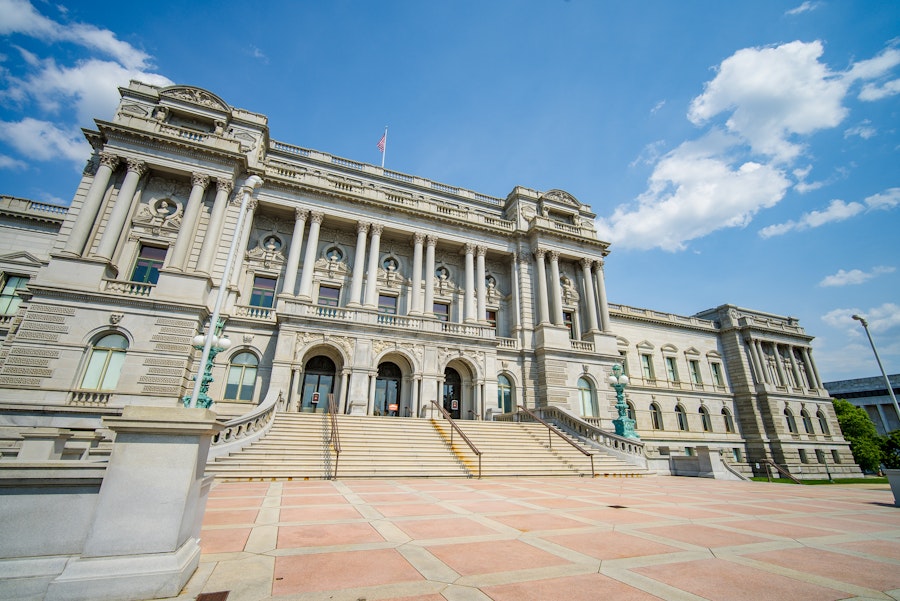
Washington DC architecture is where people confuse symbolism with trip planning. Yes, the city is full of monumental buildings. No, that does not mean you should cram everything onto the National Mall and call it a complete architecture trip. The Mall gives you scale and ideology. Uptown gives you texture, contrast, and relief.
My decisive recommendation: give Washington two architecture days. Use day one for the Mall and Capitol Hill core, then use day two for the city's uptown Gothic and residential-adjacent contrasts. Trying to flatten DC into one day creates exactly the kind of overpacked itinerary architecture travelers claim to hate.
Best Washington DC architecture route for a first trip
| Question | Best answer | Why |
|---|---|---|
| Best trip length | 2 days | The monumental core and the richer second-day contrasts deserve separation. |
| Day 1 focus | National Mall plus Capitol Hill | You can cluster the National Gallery and Library of Congress efficiently. |
| Day 2 focus | Uptown, especially the Cathedral area | It gives the trip material and stylistic range beyond neoclassical grandeur. |
| Critical booking rule | Reserve Library of Congress timed entry early | Free timed-entry tickets are required for the Thomas Jefferson Building, with advance and same-day release windows. |
| Best base | Penn Quarter or Downtown | You stay close to day one while keeping day two manageable by ride-share or transit. |
Protect the two interiors that shape the trip
SearchSpot can connect free-entry hours, timed passes, Cathedral availability, walking distance, and transit into two realistic days.
Build my Washington architecture route
Day 1: National Mall and Capitol Hill, but do it with discipline
Start with the National Gallery of Art. The Gallery currently lists free admission and standard open hours of 10 a.m. to 5 p.m., which makes it one of the easiest major architecture stops in the city. The real move is to read both West and East sensibilities, not to pick one side and rush on. The East Building, in particular, gives the Mall sequence some needed formal tension.

From there, move toward the Library of Congress. This is the booking-sensitive stop. The Library's visitor guidance says free timed-entry tickets are required for the Thomas Jefferson Building, advance tickets open 30 days out, and same-day tickets are released online each day at 9 a.m. ET. That is enough friction that you should not leave it to chance if the building is central to your trip.
This is also where a lot of Washington architecture content goes weak. It treats the city like a string of memorials. Architecture travelers need interiors, thresholds, circulation, material shifts. The Jefferson Building delivers that better than almost any first-day stop.
Day 2: Uptown is what keeps the trip from feeling ceremonial only
Washington National Cathedral is the key day-two counterweight. The Cathedral makes it clear on its visitor pages that sightseeing hours vary, and self-guided sightseeing is ticketed according to posted hours. In practice, that means you should never assume drop-in availability looks the same every day. Check the calendar before you build the day around it.
Why bother? Because the Cathedral changes the emotional register of the trip. After marble authority and federal scale, the Gothic verticality feels less like another landmark and more like a reset.
Washington DC architecture booking order: protect access before optimizing the walk
Reserve the free Thomas Jefferson Building pass first. The Library of Congress releases advance passes 30 days ahead and same-day passes online at 9:00 a.m. ET. Every visitor needs a pass, and security screening adds variable time. Put the Library before or after the National Gallery rather than making the visit depend on a long memorial loop.
The National Gallery is the flexible anchor: admission is free, normal public hours are 10:00 a.m. to 5:00 p.m., and no general gallery pass is required. Check the live visit page anyway because major events can affect entrances and building access. Use that flexibility to absorb a late start or security queue instead of cutting the Jefferson Building interior.
Day two needs a calendar check, not only a map. Cathedral sightseeing hours vary, ticket validity follows the posted hours, and worship or special events can close touring unexpectedly. Confirm the live calendar before traveling uptown. If sightseeing is unavailable, keep the day architecturally coherent with Embassy Row, Woodley Park, or Georgetown exteriors rather than crossing back to the Mall for leftovers.
Where to stay for a Washington DC architecture trip
Penn Quarter or Downtown is the cleanest base. You stay close to day one, you can reach Capitol Hill easily, and you are not forcing the entire trip to orbit Georgetown hotel prices. Georgetown is charming, but it is not the most efficient base for a first architecture-first trip.
Common mistake: mistaking national importance for route quality
Every Washington listicle tells you the city is full of famous buildings. True. That is not useful. What matters is route logic. The most common error is assuming that more monuments equals better architecture travel. Usually it equals more walking without enough interior payoff.
If time is tight, cut memorial wandering before you cut the Library of Congress or the National Gallery. Those are the stops that actually deepen the trip.
Bottom line
Washington DC architecture deserves two days because the city's meaning changes when you pair the monumental core with an uptown counterpoint. Build day one around the National Gallery and Library of Congress, book Jefferson Building entry early, and use the Cathedral to keep day two from feeling like a repeat of marble civics. That is the route that works.
Choose the base before adding neighborhoods
Compare hotel location and route friction before a strong architecture trip becomes a monument checklist.
Compare my Washington bases
Check before you go
Hours, entry rules, prices, tours, weather policies, road access, and closures can change. These official pages were checked on August 22, 2026; recheck them before paying or traveling.
- National Gallery of Art: current admission, hours, entrances, and transit guidance
- Library of Congress: Thomas Jefferson Building passes, release times, security, and visitor hours
- Washington National Cathedral: ticketed sightseeing, variable hours, and unexpected-change policy
- Washington National Cathedral: live sightseeing, tour, worship, and closure calendar
Turn this research into a real trip plan
SearchSpot helps you compare stays, routes, neighborhoods, and decision tradeoffs in one planning flow so you can move from reading to booking with more confidence.