
Visit Griffith Observatory: Best Time, Tickets, Parking, and Sunset Strategy

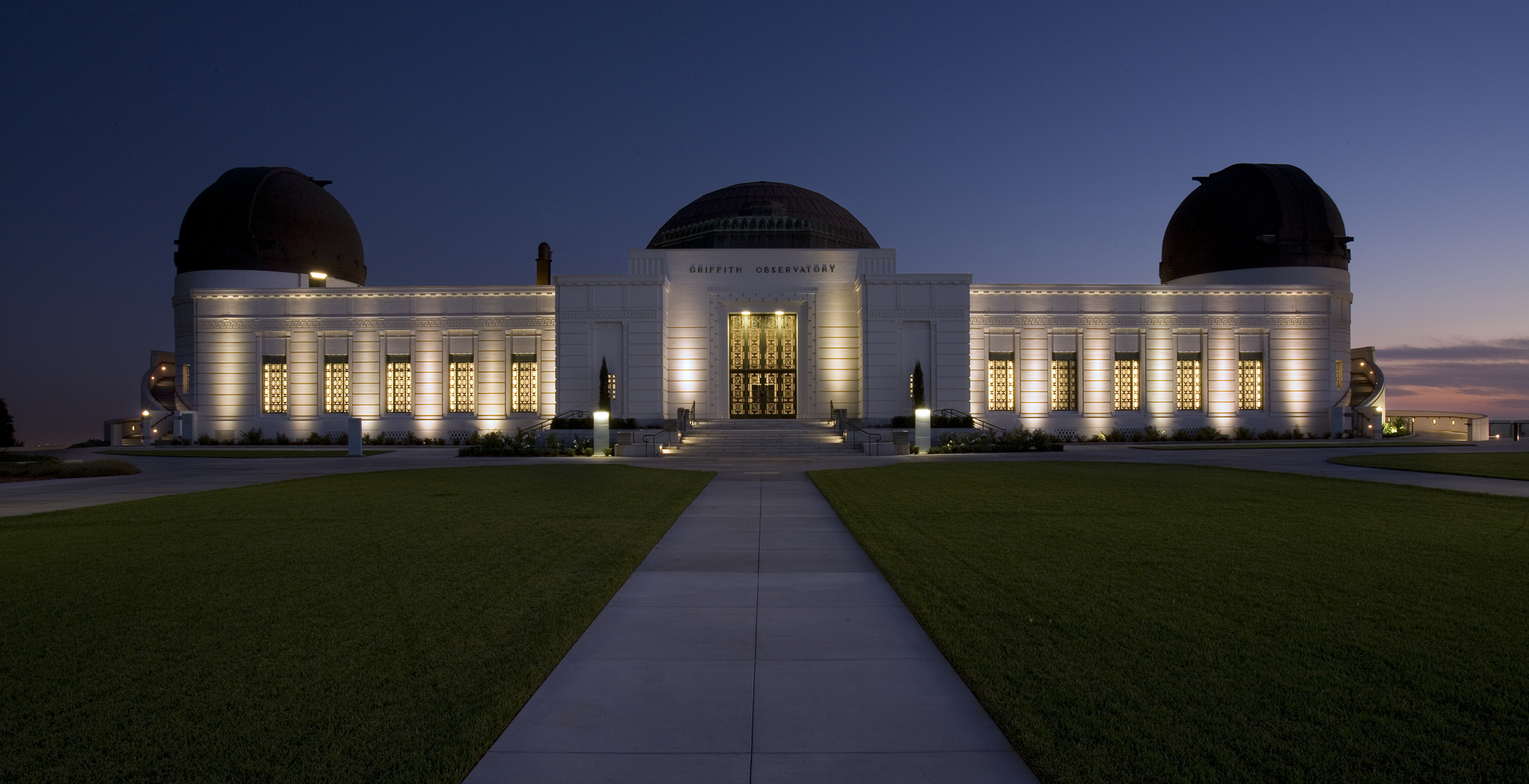
Visit Griffith Observatory at the wrong time and you spend the best part of the experience solving parking, lines, and crowd flow instead of actually enjoying the building and the view. That is why this is one of those Los Angeles outings that looks effortless on social media and feels weirdly chaotic in real life when you improvise it.
The clean answer is this: go late afternoon into evening on a day when you can arrive before the sunset rush, and decide your parking or transit plan before you even leave your hotel. If you only remember one thing, remember that the observatory is easy to enjoy when your access plan is settled and frustrating when it is not.

What is the best time to visit Griffith Observatory?
For most travelers, late afternoon into early evening is the winning window. You get daylight views over Los Angeles, the building at its most dramatic light, and enough time to decide whether to stay into the darker hours. Morning can be calmer, but it gives up the atmosphere that makes Griffith memorable. Full sunset arrival sounds romantic, but it is often when the site feels most compressed.
| Timing | Why it works | Main tradeoff |
|---|---|---|
| Morning | Calmer feel and easier movement | Less of the classic Griffith mood |
| Late afternoon into evening | Best overall balance of views, atmosphere, and observatory payoff | Needs more disciplined parking or transit planning |
| Arrive right at sunset | Beautiful if you get lucky | Highest chance of crowd and parking frustration |
If your goal is the classic Griffith experience, pick the late-afternoon window and treat sunset as something you flow into, not something you race to catch at the last minute.
Do you need tickets?
This is where people get confused. The grounds and the building experience are not the same thing as the planetarium logic. You do not need to turn Griffith into a complicated reservation war, but you do need to know whether a specific show or add-on matters to your visit. If it does, solve that early. If it does not, keep the plan lighter.
The mistake is assuming that because entry feels accessible, everything else will work itself out once you arrive. Sometimes it does. On busier days, that assumption is exactly what creates the weak version of the visit.
Plan your Griffith Observatory visit with better timing logic
SearchSpot helps compare sunset timing, transit, and nearby Los Angeles routing so your Griffith night does not get derailed by access friction.
Plan your Griffith Observatory visit on SearchSpot
Parking versus transit: which one makes more sense?
If you have low tolerance for uncertainty, transit and shuttle options are often the more rational choice. Driving can work, but only if you accept that the real issue is not distance, it is the endgame around arrival. People leave a restaurant in Hollywood thinking they are twenty minutes away, then spend the critical part of the evening circling, queueing, or negotiating a longer walk than they expected.
Driving makes sense when your overall LA day is car-based and you are arriving early enough to stay ahead of the crunch. Transit or shuttle logic makes more sense when you care more about predictability than car convenience. The key is deciding this before you are already en route.
The simple rule
- Driving works best if you arrive early and do not mind paying for convenience.
- Transit works best if you hate parking uncertainty and are comfortable with one more transfer in exchange for calmer arrival.
- Do not wait to decide on the hill itself.
How long should you give the visit?
Two to three hours is the right planning number for most people. Less than that feels compressed. More than that only makes sense if you are deliberately folding Griffith into a broader park walk or a slower LA evening. The observatory is a great half-evening, not usually a full-day destination on its own.
What most people get wrong
The first mistake is leaving too late. The second is assuming the best plan is to show up exactly at sunset. The third is not deciding whether the evening is about the building, the skyline view, or the planetarium. You can do all three, but one usually matters most. Once you know that, the rest of the timing decisions get easier.
Another common mistake is forcing Griffith into the wrong LA day. If you already have a brutally packed itinerary, Griffith can become the thing that breaks it. The better move is giving it its own cleaner evening and letting the observatory be the point.
The recommendation
Visit Griffith Observatory late afternoon into evening, arrive before the sunset crush, and make the parking-versus-transit choice before you leave. Give it two to three hours. If the planetarium or a specific program matters, solve that ahead of time. Treat it like a real Los Angeles evening plan, not a quick overlook stop.
That is the version that works. You still get the skyline, the building, and the astronomy context, but without turning the whole outing into a scramble.
Turn Griffith into a clean Los Angeles evening plan
SearchSpot helps compare arrival windows, access options, and surrounding city plans so you do Griffith on the right night, not the most crowded one.
Compare Griffith Observatory visit plans on SearchSpot
Griffith is one of those places that rewards calm logistics. Once you handle that piece up front, the visit becomes exactly what it should be: easy to enjoy, visually memorable, and much less chaotic than people make it look.
Turn this research into a real trip plan
SearchSpot helps you compare stays, routes, neighborhoods, and decision tradeoffs in one planning flow so you can move from reading to booking with more confidence.