
Valley of Kings Tour: Which Tombs Are Worth It, When to Add a Guide, and How to Build the Right West Bank Day
This Valley of Kings Tour guide shows which tomb add-ons are actually worth it, when to hire a guide, and how to avoid building a weak Luxor West Bank day.


The Valley of the Kings punishes vague planning faster than most ruins sites. Travelers arrive knowing they want “the tombs”, then discover that entry rules, add-on tombs, West Bank distances, and desert heat make the day much more tactical than it looks on paper.
My decisive answer: the smartest Valley of Kings tour is not the one with the most stops, it is the one that gets you into the valley early, limits premium add-ons to what you genuinely care about, and protects enough energy for one or two West Bank complements instead of trying to see everything in Luxor before lunch.
This is the site where discipline matters. Once the valley gets hot, every extra stop feels more expensive than it did in your hotel room the night before.
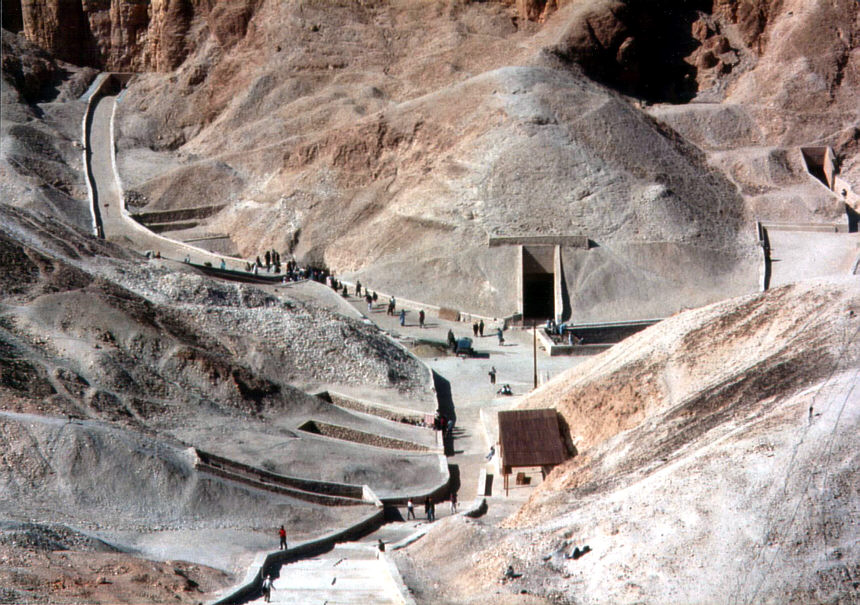
The short answer
| If your priority is... | Best move | Why |
|---|---|---|
| A first-time visit that still feels manageable | Start at opening, see the included tombs first, add only one premium tomb if it truly matters | You avoid overspending and running out of energy before the valley is even done. |
| Historical context without constant explanation inside every chamber | Use a guide for overview, then visit tombs at your own pace | You get the story without being marched through every doorway. |
| A full Luxor West Bank day | Pair the valley with Hatshepsut and one quieter temple or craft stop | That gives you contrast instead of a blur of royal names and shuttle rides. |
| Maximum tomb count | Do not chase it | Volume is not the same as a better day, especially once heat builds. |
How the tomb decision actually works
The base ticket gets you a set number of standard tombs, while the headline names often sit behind separate surcharges. That is the core decision. You are not choosing between “basic” and “complete”. You are choosing whether one or two famous extra tombs are worth the money and time for the kind of traveler you are.
For most first-timers, one premium tomb is enough. Tutankhamun matters for the story. Seti I is often the connoisseur choice if you care about wall quality and want the wow factor. Ramesses V and VI can be excellent value when they are open and in good condition. The mistake is buying multiple premium options simply because you recognize the names.
The included tombs still do serious work. They teach you the visual language of the valley. By the time you have seen a few chambers with enough attention, you no longer need quantity. You need one memorable contrast and then the discipline to stop.
Should you add a guide?
A guide is worth it here if you want chronology, symbolism, and royal family politics translated into plain English before you start descending into chambers. That shortens the learning curve dramatically. The walls become legible faster, and the valley stops feeling like a sequence of anonymous ramps.
But once you have the overview, independent pace becomes more valuable than continuous commentary. The chambers are tight spaces. You want room to absorb details, step aside, and move when you are ready. That is why the best Valley of Kings tour often uses a guide for the setup, not the entire morning.
If budget matters, self-guiding is still viable. The valley is very visitable on your own. You just need to decide your tomb priorities before arrival and accept that you cannot turn every chamber into a complete ancient-Egypt seminar.
Plan your ruins trip with better timing and fewer mistakes
SearchSpot compares permits, routes, and stay strategy so your ruins trip works in real life, not just in a highlight reel.
Plan your Valley of the Kings route on SearchSpot
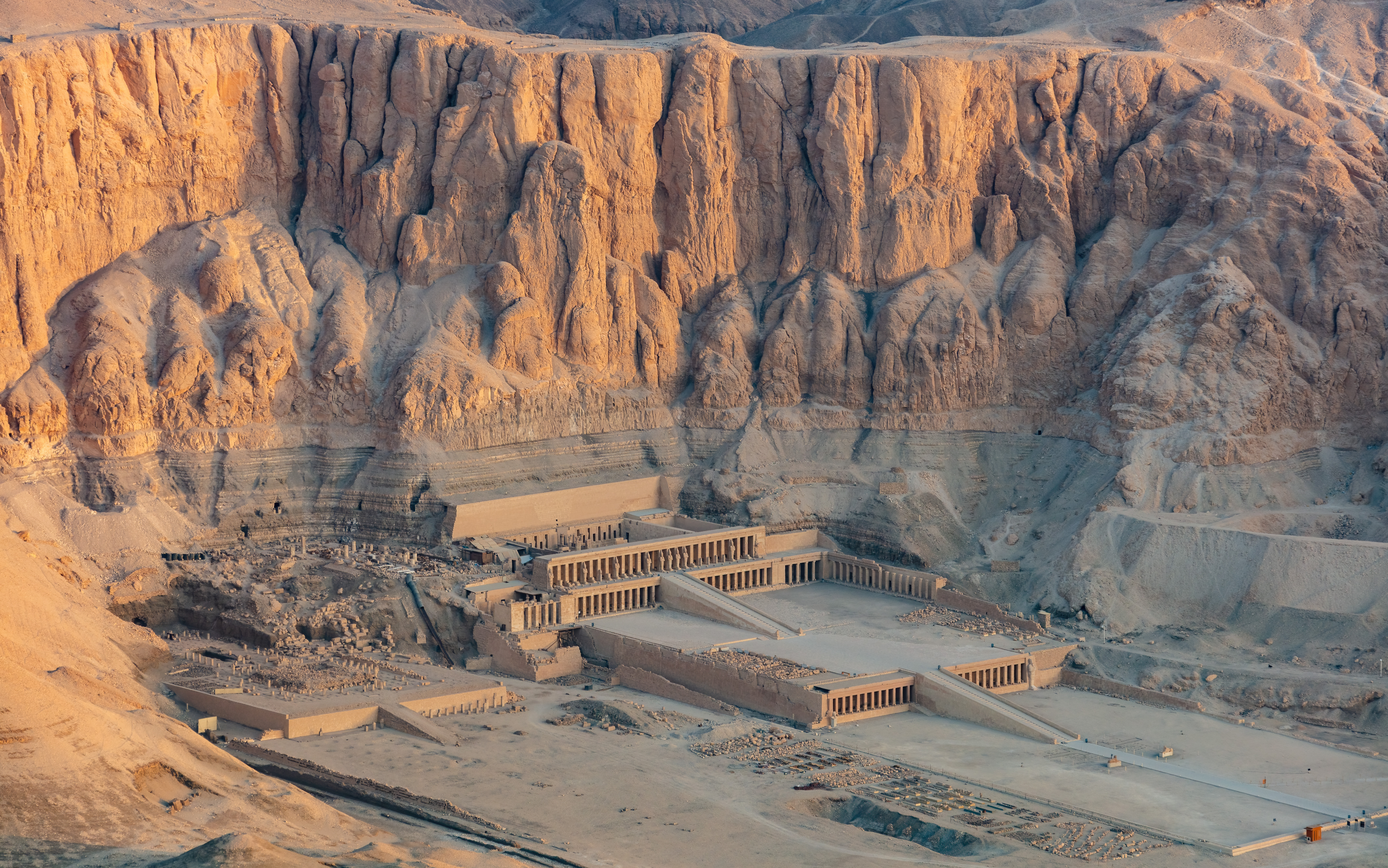
The West Bank route that usually works best
If the Valley of the Kings is your non-negotiable, go there first. Then make a sober choice. Most travelers do best with Hatshepsut after the valley, followed by either Medinet Habu, the Colossi area, or a slow lunch and return. That is a coherent archaeological day. It still leaves room to feel what you saw.
Trying to cram the valley, Hatshepsut, Medinet Habu, the Ramesseum, Valley of the Queens, and a Nile crossing into one day is how the West Bank stops being interesting. You spend the second half of the route surviving it. Luxor rewards selectivity more than stamina.
This is also why your driver plan matters. A private driver or committed taxi arrangement is often worth it on the West Bank, not because distances are extreme, but because you do not want every transfer to become a negotiation while the temperature climbs.
What people usually underestimate
- How quickly the valley heat changes both mood and concentration.
- How little value there is in seeing “one more tomb” once you are already saturated.
- How much smoother the day feels when transport is arranged before you cross to the West Bank.
- How strong Hatshepsut feels as a contrast stop after the tomb interiors.
The bottom line
The right Valley of Kings tour is a selective one. Start early, pay for context if you want it, but do not confuse more tickets with a better experience. One premium tomb plus a smart West Bank sequence beats a maximalist day almost every time.
Luxor is one of those destinations where good logistics feel like good taste. Pick your tombs, protect the first hours, and let the valley be the center of gravity instead of one stop in an itinerary that is trying too hard.
Plan your ruins trip with better timing and fewer mistakes
SearchSpot compares permits, routes, and stay strategy so your ruins trip works in real life, not just in a highlight reel.
Turn this research into a real trip plan
SearchSpot helps you compare stays, routes, neighborhoods, and decision tradeoffs in one planning flow so you can move from reading to booking with more confidence.