
Tenerife Whale Watching: Best Port, Best Boat Style, and Why Year-Round Does Not Mean Any Tour Will Do
Tenerife whale watching is good enough to make people careless. The island works year-round, but travelers still pick the wrong departure port, wrong boat style, and wrong expectations.

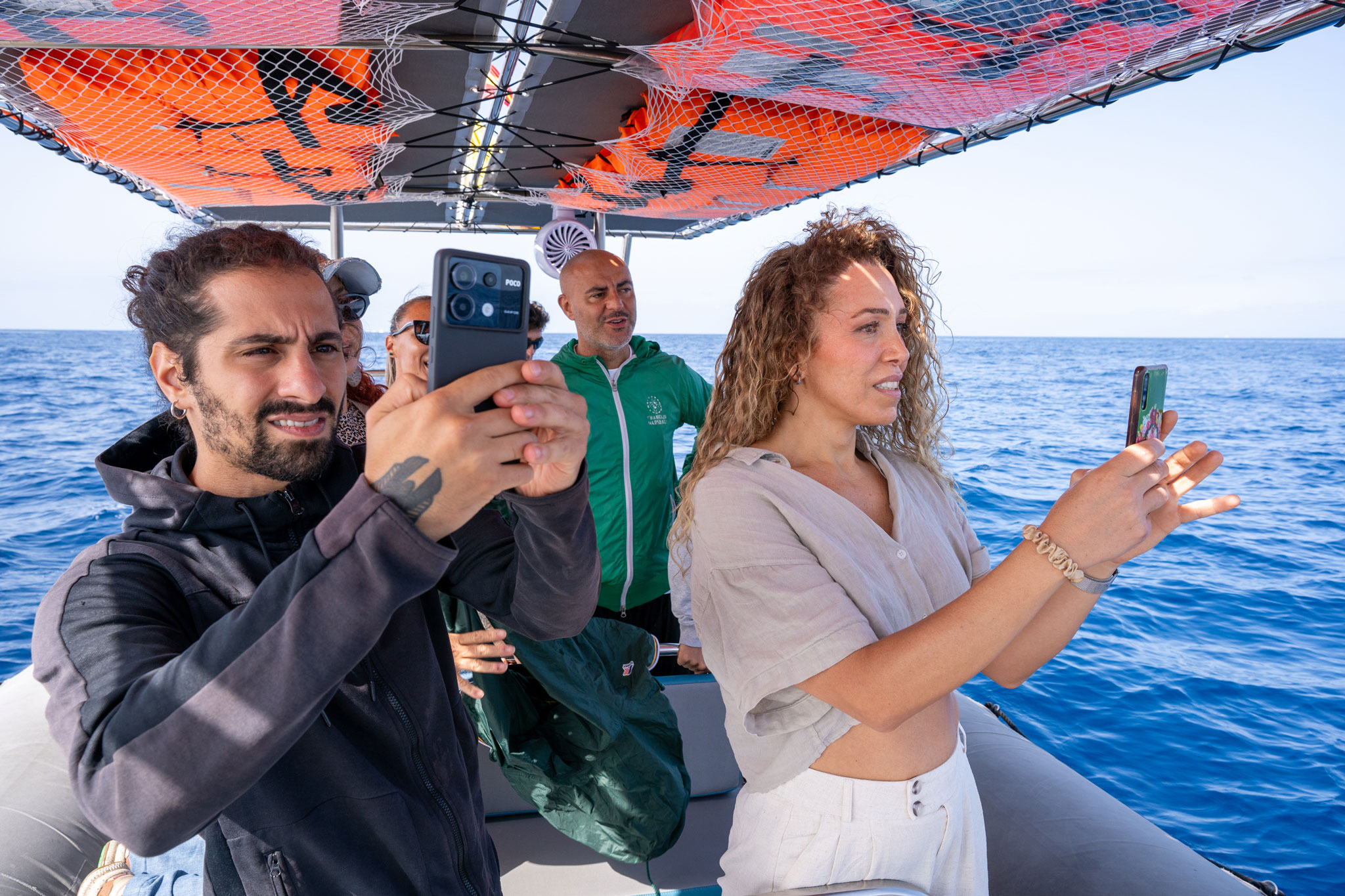
Tenerife whale watching gets sold as a near-automatic win, and that is exactly why travelers make lazy choices. The island is one of the rare European destinations where you can go out in any month and still have a serious chance at cetaceans, thanks to the resident pilot whales and bottlenose dolphins in the waters between Tenerife and La Gomera. But “year-round” is not the same as “every departure, every boat, every port is equally good.”
The short answer is this: if wildlife is the priority, base around Costa Adeje or Puerto Colón and choose a smaller wildlife-first boat. Tenerife works all year, but November through May gives you a better chance at resident species plus migratory extras. Catamarans are fine for a mixed leisure day. They are not the sharpest answer if you are traveling specifically to watch whales well.
Why Tenerife is different from most whale destinations
Tenerife’s big advantage is not just pretty weather. The island sits beside a deep-water corridor and a protected marine area that supports resident short-finned pilot whales and bottlenose dolphins. The Whale Heritage and quality-charter messaging around southwest Tenerife is built on that year-round reliability. That is why this destination keeps showing up in European whale conversations even when the rest of the continent feels more seasonal.
The mistake is assuming that reliability erases trade-offs. It does not. What changes through the year is your chance of adding more species to the trip, the comfort of sea conditions, and the difference between a tight two-hour wildlife excursion and a longer cruise that splits attention between scenery, swimming, food, and marine life.
| Trip style | Best for | What you give up |
|---|---|---|
| 2-hour small-group RIB or yacht | Wildlife-first travelers who want focus and fewer people | Less deck space and a more exposed ride |
| 3-hour catamaran or eco-yacht | Mixed groups that want whales plus comfort | Less pure wildlife intensity |
| 4.5-hour scenic cruise with swim stop | Travelers who care about cliffs, swimming, and a fuller boat day | The most compromised option if cetaceans are the main reason you booked |
Best base: Costa Adeje or Los Gigantes?
For most first-timers, Costa Adeje wins. It gives you the broadest operator choice, the easiest hotel alignment, and quick access to the waters where resident species are most consistently tracked. If you are trying to make this trip simple, it is the cleanest answer.
Los Gigantes is the more scenic second option. If the idea of dramatic cliffs and a more cruise-like feel matters almost as much as the whales themselves, it becomes more attractive. But if I were planning for actual wildlife-first efficiency, I would still default to the southwest departure zone around Costa Adeje and Puerto Colón.
Plan your whale watching trip with a better shot at a real sighting
SearchSpot compares destinations, seasons, and trip logistics so you can choose a whale-watching plan that actually makes sense.
Plan your Tenerife whale trip on SearchSpot
What the “best season” really means here
The strong Tenerife answer is not one tiny month. Because resident species are present year-round, the island remains viable whenever you visit. Where season becomes useful is in increasing the chance that your trip includes more than the guaranteed core cast. Operator and guide material consistently point to the cooler half of the year for a better chance at migratory variety.
That means a traveler coming in January, March, or May has a slightly more ambitious species story available than someone who only cares that the boat went out in August. But if your main goal is simply to see whales or dolphins in the wild in a well-run European setting, Tenerife remains one of the easiest places to do that without overengineering the calendar.
Morning versus afternoon, and the motion-sickness reality
Morning departures are the safer call if anyone in your group is motion-sensitive. The sea is often calmer, the ride tends to be easier, and first-time watchers spend less energy bracing and more energy actually scanning the water. This does not mean the animals perform better in the morning. It means the human experience is often better.
That distinction matters because Tenerife can attract travelers who are more used to beach holidays than offshore wildlife trips. If your partner says they want whales but they also get queasy on a hotel shuttle, book the calmer format and move on.
How many days do you need?
Tenerife is one of the better destinations for a short wildlife add-on, but if whales are a serious priority, give yourself two possible sea days. One day is enough to make the activity possible. Two days is what turns it into a plan. If weather shifts or a rough ride takes the shine off the first departure, you still have a second chance without burning the whole trip.
This is also where Tenerife beats a lot of destinations. You can pair a whale trip with a real island holiday and not feel like everything depends on one single boat slot.
My recommendation
If you are choosing Tenerife primarily for whale watching, stay in the southwest, book a smaller wildlife-first boat, and aim for the cooler half of the year if your dates are flexible. That is the version of Tenerife that best matches the island’s actual strengths: resident cetaceans, deep-water access, and a high-confidence wildlife window without needing a perfect one-week migration frenzy.
The mistake to avoid is letting “year-round” make you careless. Tenerife works well because of its consistency. You still need to choose the operator style that fits why you came.
Plan your whale watching trip with a better shot at a real sighting
SearchSpot compares destinations, seasons, and trip logistics so you can choose a whale-watching plan that actually makes sense.
Compare Tenerife whale options on SearchSpot
Sources checked
Turn this research into a real trip plan
SearchSpot helps you compare stays, routes, neighborhoods, and decision tradeoffs in one planning flow so you can move from reading to booking with more confidence.