
T20 World Cup Final Tickets: Ahmedabad vs Colombo, Seat Strategy, and the Hotel Risk Most Fans Miss
Use this T20 World Cup final tickets guide to handle the Ahmedabad versus Colombo venue risk, buy through the official route, and avoid hotel mistakes that cost more than the seat.

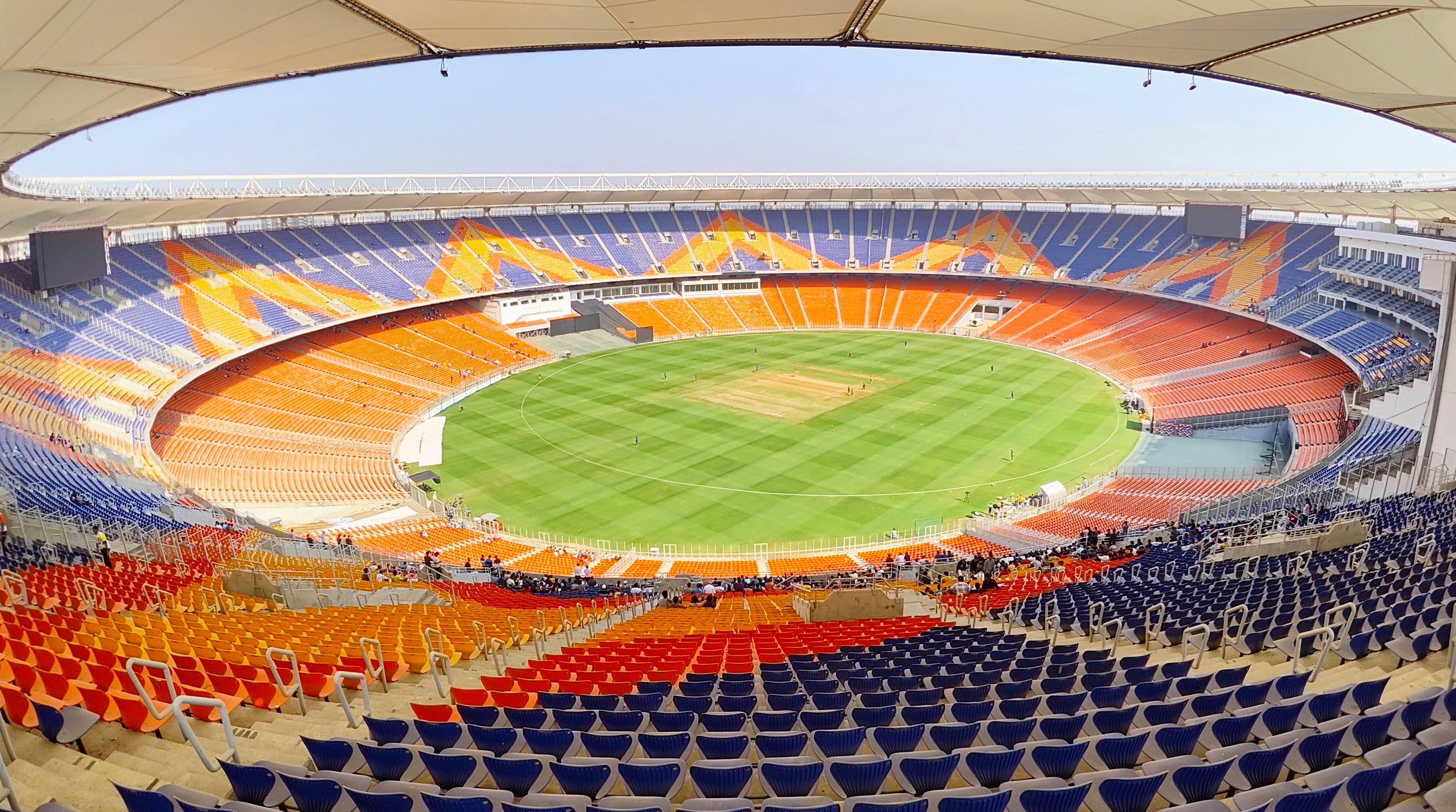
The hard part of buying T20 World Cup final tickets is not demand. It is uncertainty. The official setup says the 2026 final is in Ahmedabad unless Pakistan qualify, in which case it moves to Colombo. Tickets for the non-hosting venue are refunded. Useful, but that refund does not solve your hotel or flight plan.
My call: buy through the official portal first, and keep hotels flexible until the venue is locked. If you are flying long-haul or hate uncertainty, use an authorised ICC travel agent instead.
| Choice | Best for | My call |
|---|---|---|
| Official ticket only | Flexible travelers | Best if you can move fast. |
| Official travel package | Long-haul or high-anxiety buyers | Worth it when venue uncertainty could wreck a DIY plan. |
What the official setup tells you
The final sits on 8 March 2026. The ICC has named official travel agents and advised fans to avoid counterfeit sellers. That is the signal to take seriously. Buy official inventory, then protect the rest of the trip with flexible hotel logic.
Plan your T20 World Cup final trip without the spreadsheet spiral
SearchSpot compares stadium sections, hotel zones, and venue-switch risk so you can choose one final plan with conviction instead of hedging badly across two cities.
Plan your T20 World Cup final trip on SearchSpot
The decision
If I were booking with my own money, I would buy via the official portal, keep hotel bookings flexible until the final venue is settled, and only use an official travel package if the venue uncertainty was likely to create real stress or loss for me.
Need one clean final-week plan before you commit?
SearchSpot helps you compare Ahmedabad versus Colombo stay logic, stadium trade-offs, and knockout-risk decisions so the final feels bookable instead of chaotic.
Compare T20 World Cup final trip options on SearchSpot
Sources checked
- ICC final ticket release
- ICC World Cup phase one ticket release
- ICC authorised travel agents
- ICC 2026 schedule release
Last checked: March 2026.
Decision framework for T20 World Cup Final Tickets: Ahmedabad vs Colombo, Seat Strategy, and the Hotel Risk Most Fans Miss
Set anchor bookings first, choose hotel zone by transfer time, then lock day-by-day routing with buffers.
Execution checklist
- Lock fixed tickets first.
- Pick base near highest-friction transfer.
- Keep one source of truth for timing and cost.
Use SearchSpot to compare route, budget, and schedule trade-offs side by side before final choice.
Decision framework for T20 World Cup Final Tickets: Ahmedabad vs Colombo, Seat Strategy, and the Hotel Risk Most Fans Miss
Set anchor bookings first, pick stay zone by transfer time, then lock route with time buffers.
How to execute without last-minute chaos
Treat this plan like operations, not inspiration. Lock fixed tickets first, align transfer windows next, and keep one source of truth for everyone in group.
Risk checks before payment
- Arrival buffer: keep at least two hours before any timed entry.
- Neighborhood logic: pick stay zone by door-to-door time, not map distance.
- Cancellation logic: reserve refundable stays until final itinerary lock.
Decision handoff for mixed groups
Assign one decider for schedule, one for budget, one for accommodation. This avoids circular debate and gives clear ownership.
SearchSpot helps compare route timing, cost, and activity fit side by side, so final decision is explicit and fast.
Detailed planning playbook
Start with hard constraints. Hard constraints are fixed ticket windows, check-in times, transfer duration limits, and participant availability. Write these first. Next, define soft preferences: food priorities, shopping windows, neighborhood vibe, and pace tolerance. This separation prevents teams from over-optimizing soft preferences while missing hard constraints.
Build two candidate plans only. Option A should optimize reliability. Option B should optimize experience density. If you build more than two options, group decisions stall and no one owns trade-offs. For each option, estimate daily transfer time, expected queue time, and total spend. Keep these estimates in one table so everyone sees trade-offs in plain numbers.
Accommodation choice should follow route logic, not brand preference. If one day has early departure or late return, place that day at center of hotel decision. One well-located base often beats a better room in wrong area. For event-led travel, give highest weight to exit friction: crowd dispersal, transport cutoffs, and backup ride availability.
Use a lock sequence. First lock flights and core event access. Second lock refundable accommodation. Third lock high-demand experiences. Fourth lock local transport. Keep final 10 to 15 percent of schedule open for fatigue, weather, and spontaneous changes. This structure keeps plan resilient without feeling rigid.
Before final payment, run a failure pre-mortem. Ask: what breaks if one person is delayed, if weather shifts, or if one transfer fails. Add one mitigation for each failure. Typical mitigations are earlier departure windows, alternate station choices, and backup dining options near hotel zone. This is where most stress is avoided.
SearchSpot helps by comparing these options side by side, including timing, cost, and neighborhood fit, so group can commit to one plan with confidence instead of revisiting same debate every night.
Turn this research into a real trip plan
SearchSpot helps you compare stays, routes, neighborhoods, and decision tradeoffs in one planning flow so you can move from reading to booking with more confidence.