
Shukubo Japan: How Temple Stays Actually Work, Where to Book First, and Why Koyasan Wins for Most Travelers
Shukubo Japan planning is about choosing the right first temple stay, respecting the rules, and booking the version that feels reflective rather than performative.

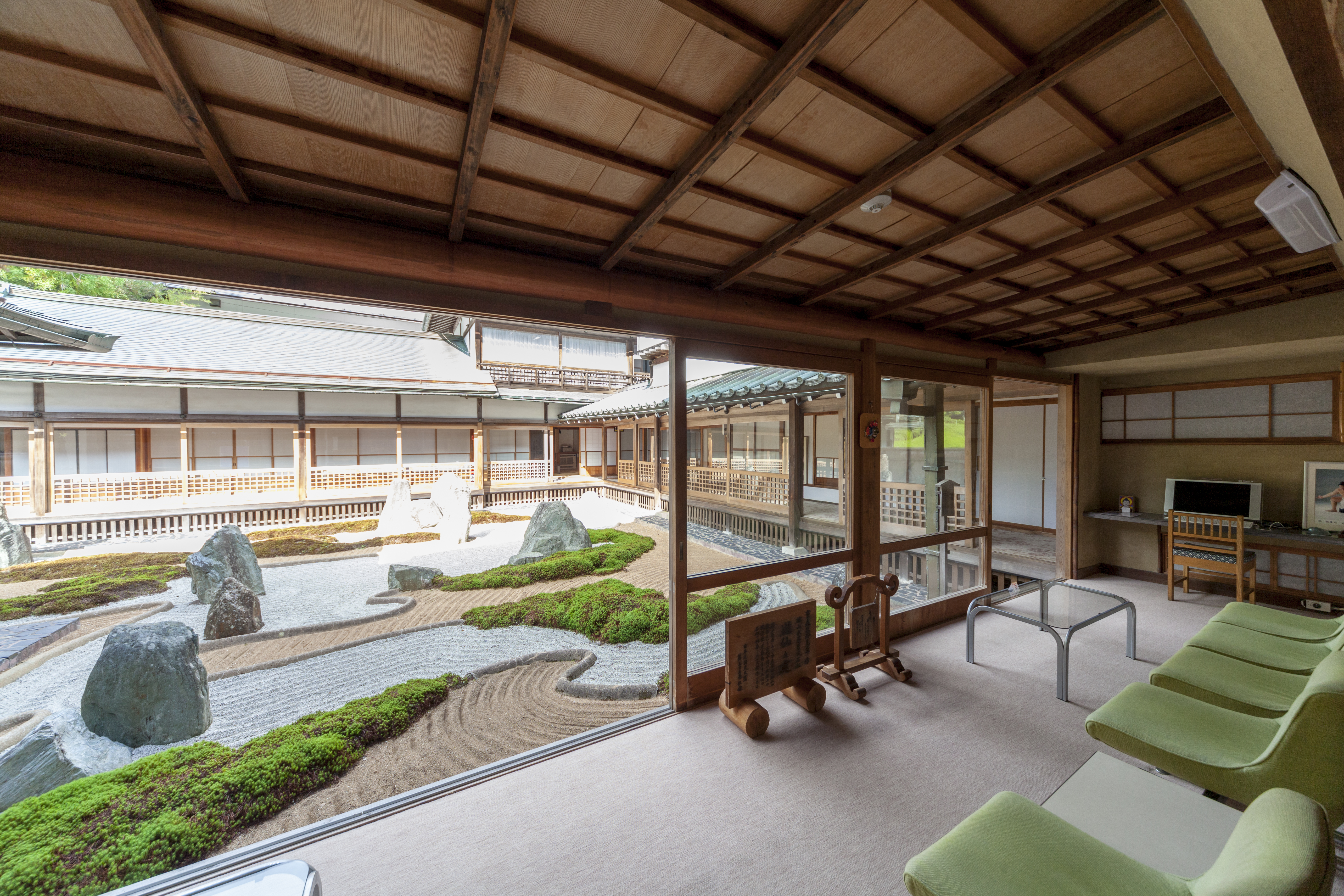
Shukubo Japan searches come from a very particular traveler mindset. You do not just want a room. You want a stay that feels quiet, respectful, and close to the spiritual texture of the trip, but you also do not want to accidentally book something performative, confusing, or too rigid for the way you actually travel.
The best first answer for most travelers is Koyasan. Not because it is the only place with temple lodging, but because it is the place where temple stays are deep enough to feel real and mature enough to be navigable. If this is your first shukubo experience, Koyasan usually gives you the strongest balance of atmosphere, logistics, and booking clarity.

What a shukubo actually is
A shukubo is temple lodging. Historically it served monks and pilgrims on religious journeys. Today many temples also open those stays to general visitors, but the best way to approach them is still as a shared religious environment, not as a themed hotel.
That distinction matters because it changes your expectations. You are not buying a fake “zen experience.” You are entering a place with its own rules, schedule, meal style, and sense of decorum. When travelers enjoy shukubo most, it is usually because they arrived ready for that reality instead of expecting ryokan luxury with spiritual branding.
Why Koyasan wins for most first-timers
Koyasan has the strongest overall case for a first temple stay in Japan. The town has a large concentration of temple lodgings, a clear support ecosystem, and a long-standing pattern of hosting both pilgrims and international travelers. That means you get the atmosphere without needing to decode a scattered booking system across the country.
| Base | Why it works | Who it suits |
|---|---|---|
| Koyasan | Best concentration of bookable temple lodgings, strong spiritual atmosphere, easiest first-timer planning | Most travelers, especially first temple-stay visitors |
| Kyoto-area temple stays | Good if your wider trip is city-based and you want one structured reflective night | Travelers who do not want a full mountain detour |
| Pilgrimage-route stays like Shikoku | Most meaningful when integrated into the route itself | Travelers already doing a temple or pilgrimage circuit |
My practical recommendation is one or two nights in Koyasan, not a wider multi-stop “temple stay tour” across Japan. One night shows you the pattern. Two nights gives you the calm to actually feel it.
Plan your temple-route trip with more clarity and less friction
SearchSpot helps you compare temple stay bases, transit trade-offs, and booking sequence so your Japan pilgrimage-style trip feels intentional from the start.
Plan your shukubo trip on SearchSpot
What the stay usually includes
The exact program varies by temple, but there are some patterns you should expect. Many stays include simple traditional rooms, vegetarian shojin ryori meals, and access to morning prayers or rituals. Some properties are stricter about lights-out rhythm, bathing rules, or alcohol than others.
That variability is not a flaw. It is the whole reason you should choose the temple carefully. If you want a deeply observant environment, book for that. If you want a softer entry into temple lodging, choose one that is known for welcoming first-time visitors without flattening the experience.
The etiquette that matters most
1. Arrive early enough to fit the house rhythm
Shukubo does not reward late, casual arrival. Dinner timing, bathing windows, and check-in cutoffs matter more than they do at ordinary hotels. If you arrive after dark, stressed, and hungry, you will feel out of sync immediately.
2. Treat meals as part of the experience
Shojin ryori is not just vegetarian convenience. It is part of the temple logic. If you want nightlife and big restaurant variety, do not pretend a temple stay is the right night for that.
3. Respect prayer access without turning it into content
Morning prayers are one of the best reasons to stay in a temple. They are also the easiest part to cheapen by treating them as spectacle. Observe quietly, follow instructions, and let the experience be quieter than your phone wants it to be.
4. Check alcohol and bathing rules in advance
Official guidance makes it clear that policies vary by temple. Some stays allow alcohol in limited circumstances. Others do not. The same goes for bathing setup and evening routine. Read the specific property notes before you book.
How many nights are enough
One night is enough if your goal is to add one reflective, grounded experience to a bigger Japan itinerary. Two nights is better if you are deliberately shaping the trip around slower travel, cemetery walks, prayer attendance, and the kind of evening where silence is part of the point.
More than that only makes sense if the temple stay is central to the trip and you already know that kind of rhythm suits you. Many travelers over-romanticize the idea and then discover they really wanted one meaningful night, not four.
Who should not start with shukubo
If your Japan trip is already packed, nightlife-heavy, or built around late arrivals and late dinners, a temple stay can feel forced. Also skip it if your interest is purely aesthetic and you are not willing to adjust your behavior to the place. Shukubo works best when the logistics and the mindset are aligned.
Final call
Shukubo Japan is worth it when you want the stay to change the pace of the trip, not just decorate it. For most travelers, that means starting in Koyasan, booking one or two nights, and choosing a temple whose rules and rhythm you are actually willing to respect.
The best temple stay is not the most photogenic one. It is the one that lets the trip slow down enough to feel why temple lodging still matters.
Plan your temple-route trip with more clarity and less friction
SearchSpot helps you compare Koyasan versus city-based temple stays, transit effort, and booking sequence so the spiritual part of the trip does not get buried under logistics.
Plan your shukubo trip on SearchSpot
Turn this research into a real trip plan
SearchSpot helps you compare stays, routes, neighborhoods, and decision tradeoffs in one planning flow so you can move from reading to booking with more confidence.