
San Juan Islands Whale Watching Season: Best Months, Friday Harbor Logic, and When Shore Viewing Is Only a Bonus
San Juan Islands whale watching season rewards travelers who plan around species timing, ferry friction, and realistic expectations about what shore viewing can deliver.

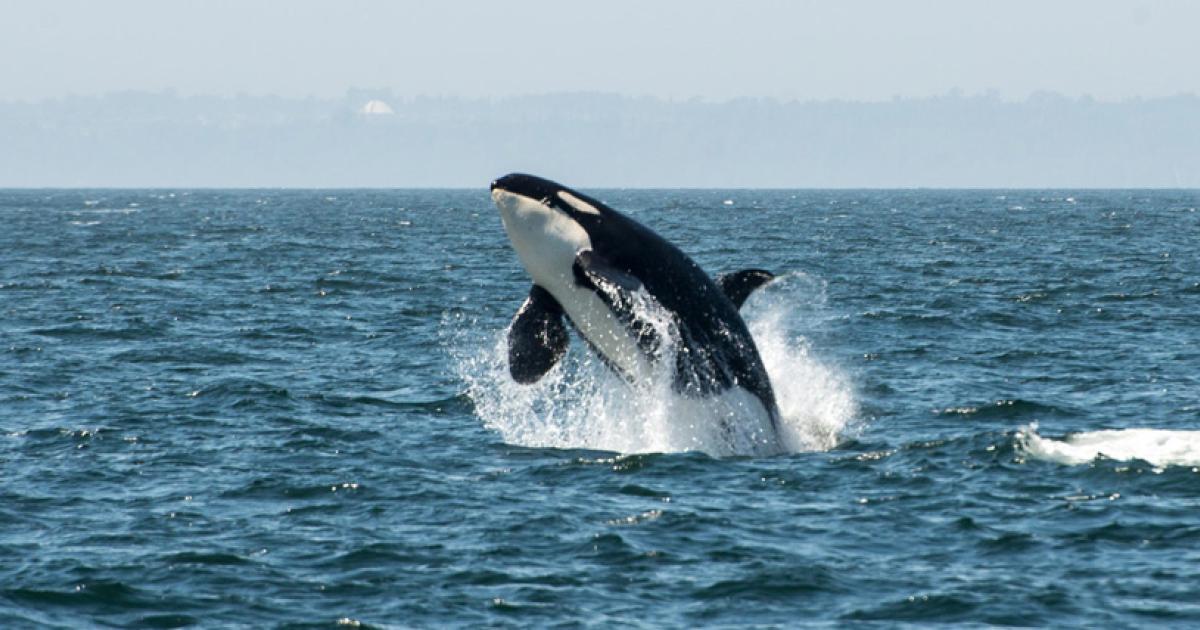
San Juan Islands whale watching season gets oversimplified into one sentence: go in summer, see orcas. That is exactly how people end up disappointed. The islands are one of the best whale destinations in the lower 48, but this is not a place where a pretty postcard and a ferry reservation automatically turn into a high-confidence wildlife day. Species timing changes, tour comfort changes, and the difference between staying in Friday Harbor versus just day-tripping from the mainland is bigger than most first-timers expect.
The short answer is this: April through October is the broad safe season, and May through September is the strongest all-around window for most travelers. If this is your first trip, base in Friday Harbor on San Juan Island. It gives you the cleanest departure logistics, access to Lime Kiln Point for bonus shore viewing, and the easiest version of a trip that can otherwise get too clever too fast.
What the season actually means here
The Visitors Bureau says whale watching is possible year-round, but also points people toward April through October, especially for orcas. The FAQ goes a step further and explains why: Southern Resident pods are generally associated with the summer period in the Salish Sea, while Bigg’s orcas also move through the region and create year-round possibility. That difference matters because “year-round” is not the same as “worth centering a trip around.”
If you are flying in or carving out a precious long weekend, plan for the months when both tour operations and species odds work in your favor. That is why May through September remains the disciplined answer. You are giving yourself the strongest overlap between workable weather, full tour schedules, and the whale activity window most visitors are actually chasing.
| Window | Best for | Main trade-off |
|---|---|---|
| April to early June | Shoulder season travelers who want fewer crowds and a real chance at whales | Weather can feel less settled and trip logistics matter more |
| June to September | The strongest first-timer window for tours, island atmosphere, and overall odds | Higher prices, more ferry pressure, and more competition for good departures |
| October | Good late-season trip for travelers comfortable with a little more uncertainty | Less forgiving if whales are the only reason you came |
Friday Harbor versus “we will just come over for the day”
If whales are the point, stay overnight. Friday Harbor is the cleanest first-time base because many of the best-known departures are there, the town is easy to use without overcomplicating the plan, and you can add shore-based watching at Lime Kiln Point without needing a second island move. That is the kind of trip shape that gives you margin.
The bad version of this trip is treating the islands like a same-day side quest from Seattle. It can work, but it makes every missed ferry, delayed departure, or rough weather call matter too much. The San Juan trip that feels worth the effort is the one where you have a little time to recover, another viewing chance, and a non-rushed evening on the island.
Shore viewing is real, but it is not your whole strategy
Lime Kiln Point State Park has the reputation for a reason. The Visitors Bureau and local FAQs both point travelers there as the iconic shore-based place to watch for orcas, humpbacks, and minkes. The Whale Museum reinforces the bigger point: shore viewing is part of the experience, not a substitute for building the trip around a proper boat tour if whales are the priority.
That distinction matters. If you happen to catch whales from shore, it feels amazing. But if you build the whole weekend around the assumption that standing at Lime Kiln will replace a tour, you are making the trip more fragile than it needs to be. The right move is to treat shore viewing as a high-value bonus before or after a boat departure.
Plan your whale watching trip with a better shot at a real sighting
SearchSpot compares destinations, seasons, and trip logistics so you can choose a whale-watching plan that actually makes sense.
Plan your San Juan whale trip on SearchSpot
Boat style and trip shape
Most San Juan whale trips are long enough that comfort matters. The common sweet spot is the 3 to 4 hour wildlife cruise. That is long enough to work the sightings network without turning the day into a grind. If your group includes kids, older relatives, or anyone who gets cold easily, pick the operator with the clearest comfort trade-off rather than chasing the most dramatic marketing.
Where small fast boats win is flexibility and closeness to the action when conditions are kind. Where larger covered boats win is warmth, stability, and a trip you do not spend half-managing. Neither is automatically better. The right answer depends on whether your trip is wildlife-first, photo-first, or mixed-group comfort-first.
How many days improve your odds?
Two nights is the smart baseline here too. One tour day and one flex day is far better than a single, high-stakes one-day push. If you only have one day, book the best departure you can and simplify everything around it. But if you can afford the extra night, do it. Whale trips reward slack in the itinerary more than overplanning.
The second day is also what makes the islands feel like the islands rather than a marine commute. It gives you time for Lime Kiln, the harbor, The Whale Museum, and the simple pleasure of not having to run straight back to the ferry the second the boat docks.
What I would recommend
If this is your first San Juan Islands whale trip, go between late May and September, stay in Friday Harbor, book one serious whale tour, and treat shore viewing as the bonus round. That combination gives you the cleanest logistics and the lowest chance of the trip feeling like a beautiful but slightly strained maybe.
If you are species-specific and want to be more tactical, start thinking beyond generic “summer.” But for most travelers, the disciplined plan is still the simple one: good months, one stable island base, and enough time that whales are not forced to perform on your exact clock.
Plan your whale watching trip with a better shot at a real sighting
SearchSpot compares destinations, seasons, and trip logistics so you can choose a whale-watching plan that actually makes sense.
Compare San Juan whale timing on SearchSpot
Sources checked
Turn this research into a real trip plan
SearchSpot helps you compare stays, routes, neighborhoods, and decision tradeoffs in one planning flow so you can move from reading to booking with more confidence.