
Ruaha National Park: Brilliant Wilderness, or Too Remote for a First Safari?
Ruaha National Park rewards travelers who want remoteness and predator-heavy wilderness, but it is not the easiest first safari. This guide explains when it is worth the extra effort.


Some safari places are hard to sell because they are weak. Ruaha is hard to sell because it is strong in a way that does not flatter nervous planners.
Ruaha National Park is remote, predator-rich, lightly trafficked, and deeply appealing to travelers who want the bush to feel like wilderness rather than performance. It is also the kind of place that gets over-romanticized by people who forget what first-time safari travelers actually need.
If you want the short answer first: Ruaha is brilliant if you actively want remoteness, low vehicle density, and a wilder-feeling safari. It is not the cleanest first safari for someone who wants easy logistics, dense iconic circuits, and the reassurance of a simpler northern Tanzania route.
That does not make Ruaha worse than the Serengeti. It makes it a sharper tool. And sharp tools are only good when they fit the job.
Ruaha National Park, the fast decision
| If you care most about | Smarter Ruaha call | Why |
|---|---|---|
| Low crowds and raw wilderness feel | Ruaha is excellent | This is one of its clearest advantages over northern Tanzania. |
| Easy first safari planning | Probably skip | Fly-in logistics and remoteness make the trip less forgiving. |
| Predator-heavy safari with strong walking appeal | Ruaha is strong | That is where the park earns its reputation. |
| Short trip with little transfer drag | Only if you fly and keep the itinerary simple | Ruaha punishes overbuilt routing. |
| Most iconic Tanzania first-timer circuit | Choose the north instead | Ruaha wins on wilderness, not on entry-level simplicity. |
What Ruaha is actually best for
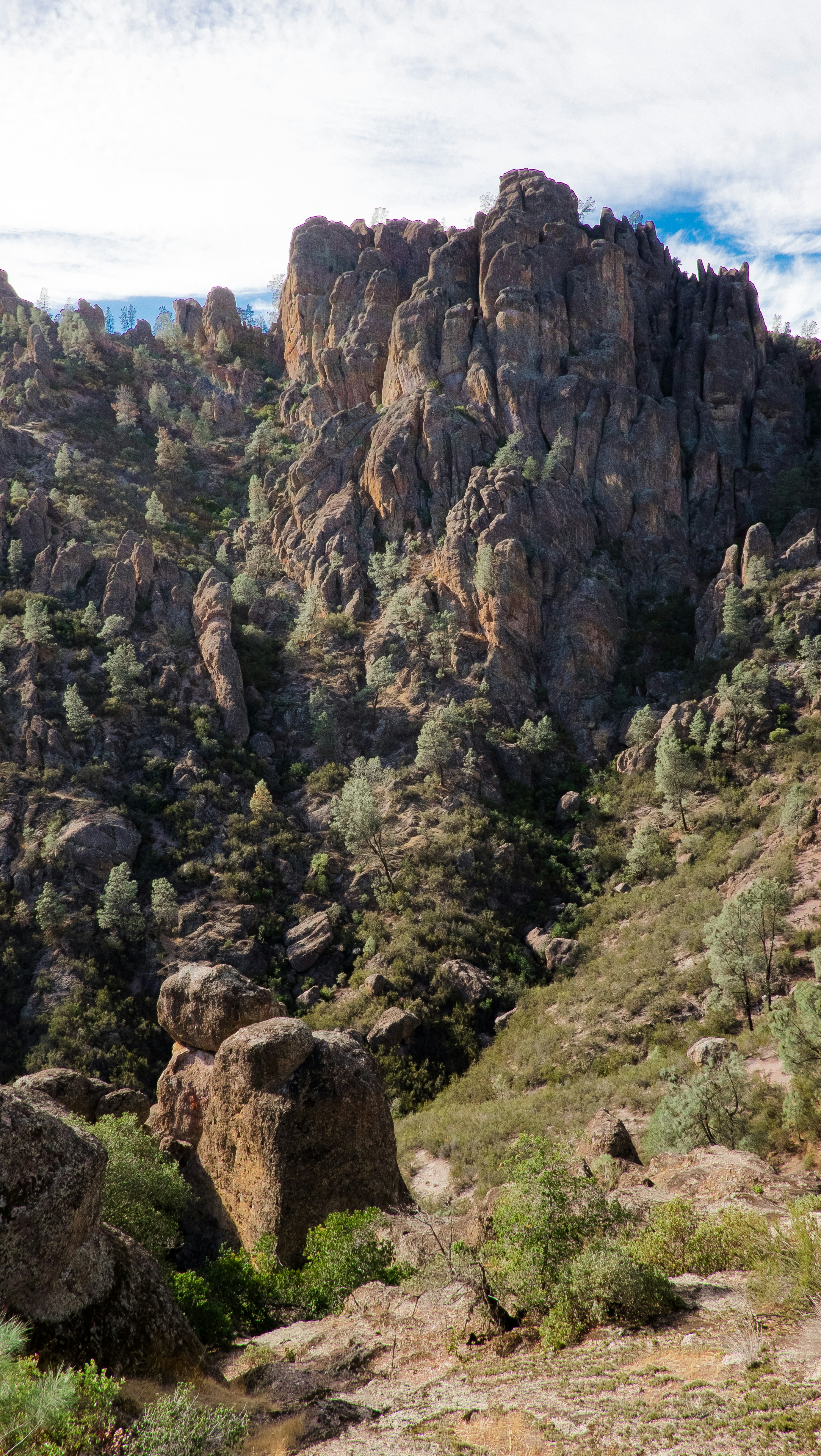
Ruaha is best for travelers who already know they value space, quiet, and a less processed safari. This is not a place you choose because you want everything to feel easy. It is a place you choose because you want the landscape and the wildlife experience to feel less managed by tourism pressure.
That is also why the park attracts travelers who care about predators, elephant country, walking, and the emotional quality of being somewhere that still feels genuinely big. The strongest Ruaha case is not, “It has more famous names than other parks.” The strongest case is, “It gives the right traveler a wilder, less crowded Tanzania.”
If that matters to you, Ruaha can be one of the smartest safari decisions you make.
Why Ruaha is not the easiest first safari
Here is the part that glossy Ruaha write-ups often duck: first-timers usually need a safari that is structurally forgiving. Northern Tanzania is forgiving. Famous circuit, easier comparisons, easier combinations, and a clearer mental picture of what the trip is supposed to look like.
Ruaha is less forgiving. You typically fly in. Camp placement matters a lot. The park is large enough that wildlife is not served to you in a neat, beginner-friendly package. The trip works best when you are comfortable with a place that feels more spread out and less pre-explained.
That does not mean a first-timer can never choose Ruaha. It means you should choose it for the right reason. If you are already leaning wilderness-first and low-crowd by instinct, it can still fit. If you need reassurance through simplicity, it is probably the wrong opening move.
When the timing is smartest
Dry-season guidance is the cleanest Ruaha recommendation. Operator and specialist guidance consistently treat roughly June through October as the easier wildlife-viewing window because water becomes more important, vegetation is less heavy, and the park's big-scale game-viewing logic gets simpler.
The greener period can still appeal, especially for birding and for travelers who care about landscapes as much as sightings. It is just not the safest first recommendation for an anxious planner who wants the park to feel obviously productive.
So my view is straightforward: if Ruaha is your first safari, stay drier. If Ruaha is your second or third safari and you actively want a softer, greener, less straightforward version, you can start getting more creative.
Plan your safari without the operator brochure fog
SearchSpot compares southern Tanzania remoteness, camp position, fly-in logic, and first-trip trade-offs so you can decide whether Ruaha is worth the extra effort for your safari style.
Plan your Ruaha safari on SearchSpot
Why fly-in logistics matter so much here
Ruaha is one of those places where the transfer logic is not background noise. It is part of the destination choice. If you are not willing to fly into the park and build the trip around that, you are already weakening the case for going.
That is why I would treat Ruaha as a destination you simplify, not complicate. Fly in, choose a camp whose position actually supports your month and priorities, and give the park enough nights to justify the access effort. Do not try to turn it into one rushed stop inside an overstuffed Tanzania itinerary.
When people say Ruaha felt “too hard,” it is often because the trip shape was wrong before the safari even started.
How many nights Ruaha really needs
Three nights is the minimum version that begins to make sense. Four nights is more convincing. Beyond that, the park starts to reward travelers who want slower pacing and more immersion.
If you only give Ruaha two nights, you are asking a remote park to perform like an airport-adjacent attraction. That is not fair to the destination, and it usually does not feel good for the traveler either.
My rule would be:
- 3 nights: minimum viable Ruaha.
- 4 nights: the stronger first-trip answer if you are already committed to going south.
- 5+ nights: excellent for travelers who deliberately want depth, walking, and a less hurried wilderness rhythm.
Where luxury changes the Ruaha trip
In Ruaha, luxury matters less as a display of prettiness and more as a support system for remoteness. Good camp placement, thoughtful fly-in connections, strong guiding, and fewer guest vehicles matter enormously. A photogenic suite matters too, but only after those basics are right.
This is why Ruaha can be a very smart luxury choice for the right traveler. Premium spend here often buys a better wilderness structure, not just polished hospitality. That is a much healthier use of money.
But it also means you should be skeptical of luxury that is mostly aesthetic. If the camp is beautiful but the logistics are clumsy or the positioning is weak for the season, the premium is not working hard enough.
What usually goes wrong in Ruaha planning
- Travelers choose Ruaha because it sounds adventurous, not because it fits what they actually enjoy.
- They underestimate how much remoteness changes the trip shape.
- They give the park too few nights, then blame the destination for feeling awkward.
- They choose a southern Tanzania itinerary when what they really wanted was a cleaner northern Tanzania first trip.
- They buy a beautiful camp without checking whether camp position supports their timing.
Ruaha is not the problem in those cases. The fit is.
The recommendation I would make
If you are planning your first safari and want the lowest-risk Tanzania answer, I would still push you toward the north. If you are planning a safari and already know you care more about solitude, wilderness texture, and a less crowded predator-focused experience, then Ruaha National Park becomes very compelling.
That is the honest recommendation. Choose Ruaha when remoteness is the point, not when you are merely trying to prove you can handle a more exotic answer. If you choose it for the right reason, it can feel extraordinary. If you choose it for the wrong reason, it can feel unnecessarily hard.
Need to decide whether Ruaha fits your safari personality?
Use SearchSpot to compare southern Tanzania wilderness value against northern Tanzania simplicity before you book a remote safari that asks more from you than you wanted.
Compare Ruaha safari logic on SearchSpot
Sources checked
- Tanzania National Parks, Ruaha overview
- Go2Africa, why go to Ruaha
- Go2Africa, southern versus northern Tanzania
- Asilia Africa, Ruaha when to go
- Nomad Tanzania, southern Tanzania itinerary logic
Plan your Ruaha National Park trip without the usual guesswork
SearchSpot helps you compare timing, stay strategy, and real-world trade-offs so this plan works before you spend money.
Plan your Ruaha National Park trip on SearchSpot
Turn this research into a real trip plan
SearchSpot helps you compare stays, routes, neighborhoods, and decision tradeoffs in one planning flow so you can move from reading to booking with more confidence.