
Pacaya Volcano Hike: What the Climb Is Actually Like, and Who Should Book a Guide
A practical Pacaya volcano hike guide for travelers weighing the climb, the guide setup, horse backups, and what a realistic Pacaya day actually delivers.


The pacaya volcano hike gets sold in two extremes. One version makes it sound effortless, like a casual half-day walk anyone can do in flip-flops. The other makes it sound like a fiery adventure where you are guaranteed dramatic lava and cinematic danger. Neither version is useful when you are actually deciding whether it belongs in your Guatemala trip.
The decisive answer is this: Pacaya is one of the best first volcano hikes in Latin America because it is short, accessible from Antigua, and visually rewarding even when there is no dramatic lava show. But it still deserves respect. The trail is steep enough to punish bad pacing, guide support is part of the normal setup, and the most common traveler mistake is showing up with the wrong expectations. If you treat Pacaya as a guided half-day volcano walk with real views, loose terrain, and backup horses for tired legs, it becomes a very smart addition to a Guatemala itinerary.

| Question | Short answer |
|---|---|
| Do you need a guide? | Practically yes. Guided access is the normal and expected way to hike Pacaya. |
| How hard is it? | Moderate. It is short, but steep enough that unprepared walkers feel it. |
| Do you need to be very fit? | No, but you should be comfortable walking uphill on loose terrain. |
| Can you ride a horse? | Usually yes, which is one reason Pacaya works well for mixed-ability groups. |
What the Pacaya volcano hike actually feels like
Pacaya is not long by volcano-hike standards, but that does not mean it is easy for everyone. The uphill sections are steady enough that people who rarely hike often underestimate them. Loose volcanic ground also changes the feel of the climb, especially on the descent when tired legs and bad shoes start to matter. That is why Pacaya has such a split reputation. Fit travelers come back saying it was manageable. Travelers who treated it like a gentle stroll often come back surprised.
That does not mean you should avoid it if you are not a strong hiker. It means you should plan honestly. This is exactly the kind of volcano day that works for first-timers when they know what they are signing up for. You are not committing to a multi-day expedition. You are committing to a moderate climb with a guide, some elevation gain, and volcanic terrain that feels more serious than a city walk.
Why the guide matters
Pacaya is one of those hikes where the question is not really, can you do it without a guide? The practical question is, why would you want to? Guided access is the norm, local control around the route is strong, and the experience works better when someone is already handling the entry flow, pacing, and local expectations. This is not about making the trail sound more dangerous than it is. It is about recognizing how the destination actually operates.
The right guide also helps frame the biggest expectation issue: active lava is never something you should promise yourself. Pacaya can still be a strong hike without a glowing-river moment. The volcanic terrain, the views across the surrounding landscape, and the atmosphere of walking on an active volcano are enough. Travelers who arrive only for a lava spectacle are the ones most likely to call the day disappointing.
Morning versus afternoon
Morning departures are usually the easiest recommendation. The temperatures are friendlier, the visibility often feels cleaner, and the climb is more pleasant before the day heats up. Afternoon and sunset-style departures can still be attractive if you want warmer light and do not mind a different rhythm, but they are not automatically better just because the marketing photos look dramatic.
For most travelers, the deciding factor should be energy level and schedule. If Pacaya is your main activity that day and you want the smoothest physical experience, go in the morning. If it is part of a wider Antigua plan and you like the idea of a later volcano window, a sunset-oriented outing can work. Just do not choose afternoon because you think it guarantees better volcanic activity. That is not how this mountain should be sold.
Plan your Pacaya volcano hike with real expectations
SearchSpot compares guide logistics, route effort, and day-shape trade-offs so your Guatemala volcano day is based on what Pacaya actually delivers.
Plan your Pacaya volcano hike on SearchSpot
Why horses are not just a tourist gimmick
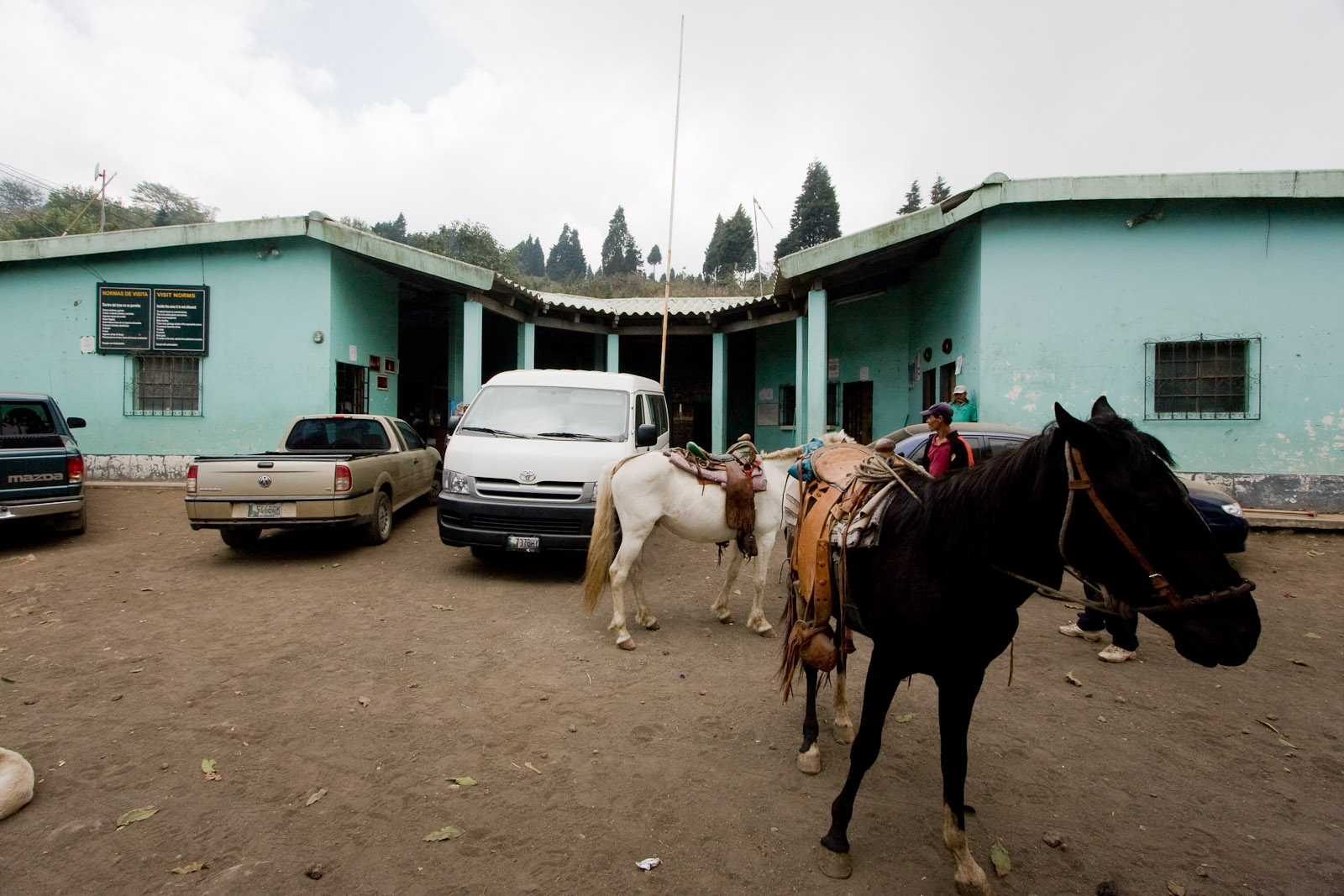
Pacaya’s horse option is one of the reasons the hike works well for mixed groups. It gives travelers a real fallback if the climb feels harder than expected, and it makes the day more flexible for people who want the volcano experience without proving anything. There is no prize for suffering through the uphill if you would enjoy the views more with a little help. The horses are part of the practical ecosystem of the route, not a weird side show.
What to wear, and what people get wrong
Closed-toe shoes with grip are non-negotiable. Loose gravel and dusty volcanic ground turn bad footwear into a real problem fast. Bring layers because the temperature can shift, and do not assume a warm Antigua morning means the volcano will feel the same. Carry water. Pace yourself. And if you are the kind of traveler who hates hiking in the dark or on uneven surfaces, choose a departure that matches that instead of forcing yourself into a sunrise or sunset format you will not enjoy.
The most common mistakes are predictable. Travelers underestimate the steepness, wear the wrong shoes, expect guaranteed lava, or book the hike without thinking about how it fits the rest of the day. Another mistake is acting like Pacaya should be judged against harder volcano treks. Pacaya is good because it is accessible, not because it is the most demanding route in the region.
Who should do Pacaya, and who should skip it
Do Pacaya if you want a first volcano hike, have a half-day free from Antigua, or want a realistic active-landscape experience without a huge physical commitment. It is also a great option for travelers who want something more geology-focused than a generic scenic viewpoint. Skip it if your only measure of success is seeing active lava up close, or if you hate even moderate uphill effort and have no interest in using the horse option.
The clear recommendation
For most Guatemala travelers, Pacaya is worth doing. Book a guide, wear proper shoes, choose a timing window that fits your energy, and judge the hike by what it actually is: a short but real volcano climb with strong landscape payoff. Do not overromanticize it, and do not undersell it either. Pacaya is best when it is treated as a smart, manageable volcano day, not a stunt.
That is also why it works so well inside a bigger Guatemala itinerary. It gives you the feeling of walking on an active volcano without requiring the kind of commitment that reshapes the whole trip.
Choose the Guatemala volcano day that fits your legs and your schedule
SearchSpot helps you compare Pacaya effort, guide value, and Antigua trip sequencing before you lock in a volcano day that feels wrong for your pace.
Build your Pacaya volcano hike plan on SearchSpot
Sources checked
This guide was built from current Pacaya hiking guidance, recent operator planning material, and practical traveler reports focused on route difficulty, guide expectations, horse support, and timing trade-offs. The research prioritized realistic effort and access logistics over spectacle-driven volcano content.
Turn this research into a real trip plan
SearchSpot helps you compare stays, routes, neighborhoods, and decision tradeoffs in one planning flow so you can move from reading to booking with more confidence.