
Mount Rinjani Trek: 2D1N vs 3D2N vs 4D3N, and Which Route Actually Fits You
The hardest Mount Rinjani decision is not whether you are tough enough. It is whether you are booking the version of the trek that fits your body, your time, and your tolerance for misery.

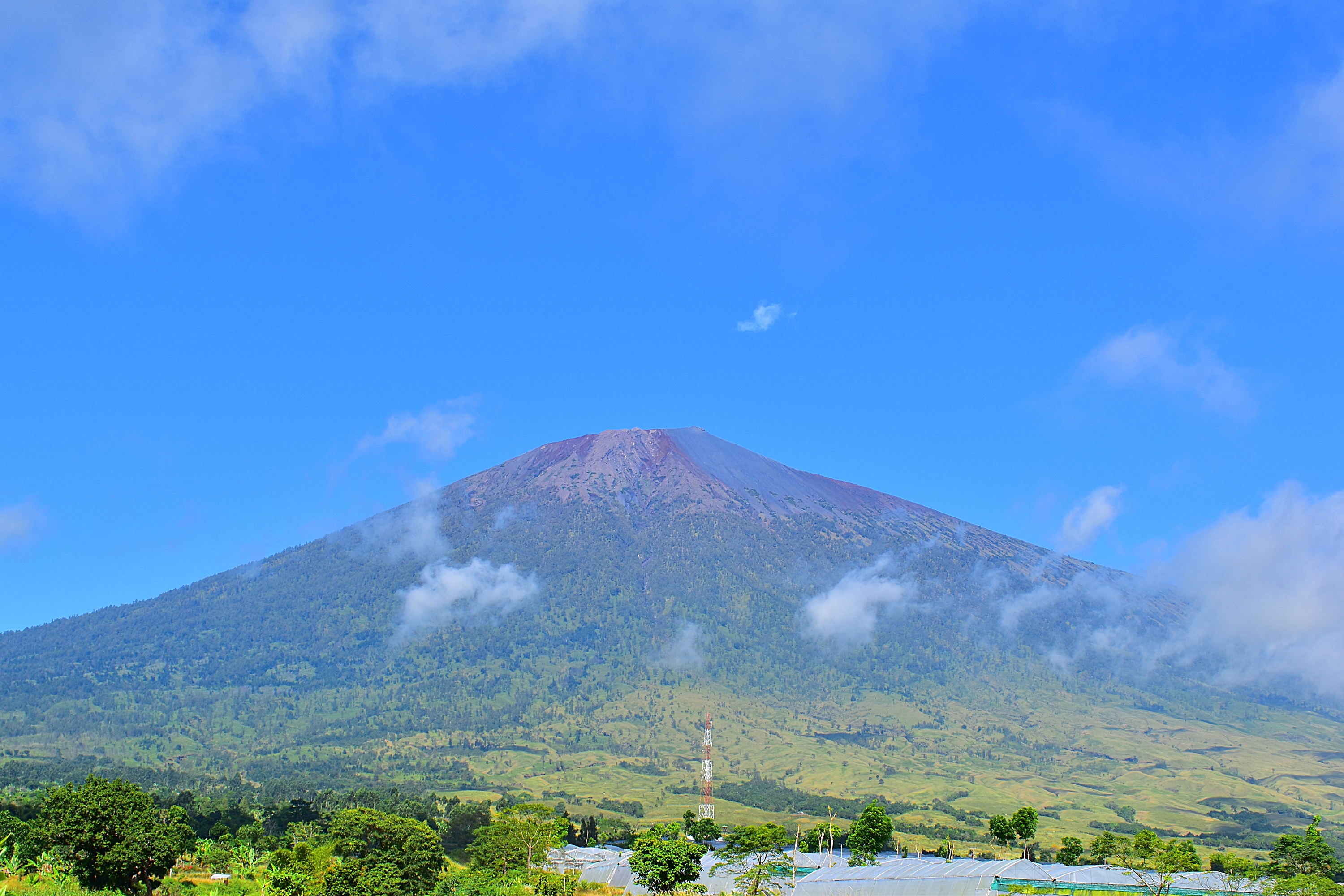
Mount Rinjani content loves the same three images: the crater lake, the summit sunrise, and the camp on the rim. What it usually hides is the decision that actually determines whether you enjoy the trek or spend half of it wondering why you booked the most punishing option available. The real planning question is not “Can I do Rinjani?” It is “Which Rinjani itinerary and route fits me without turning the mountain into a survival exercise?”
The direct answer is this: most travelers should book a 3 day 2 night Mount Rinjani trek, usually via Sembalun with a descent that matches their priorities. The 2 day 1 night summit push is for genuinely strong hikers who are short on time and comfortable suffering. The 4 day 3 night version is the better premium if you want the lake, hot springs, and recovery time without making every section feel rushed. If you are asking which option is “worth it,” 3D2N is usually the smartest middle line.
Quick decision: choose the itinerary before you choose the operator
| Itinerary | Who it fits | What to know |
|---|---|---|
| 2D1N | Very fit trekkers with limited time | Fastest and harshest. Great for summit bragging rights, weak for enjoyment. |
| 3D2N | Most first-time Rinjani trekkers | Best balance of summit, crater lake, scenery, and realistic pacing. |
| 4D3N | Travelers who want the full experience without constant pressure | Better recovery, better photography rhythm, better lake and hot spring time. |
First, understand the park rules and season reality
Rinjani is not a mountain you should book casually and assume will work itself out. The park uses an official eRinjani booking system, quotas matter, and the mountain closes during the wet-season period. For 2026, the official closure window runs from January 1 through March 31. That means the smartest Rinjani planning usually lives inside the drier April to October stretch, with shoulder weeks checked carefully before you commit.
The second practical reality is that foreign travelers do not treat Rinjani like an improvised independent walk. The modern system is operator-led in practice. Your organizer handles booking, permits, transport timing, food, camping kit, porter structure, and the on-the-ground rhythm. That makes operator choice more important than many travelers realize. The mountain is hard enough without adding a logistics experiment to it.
Which route fits which traveler
Sembalun is the summit route. If your priority is standing on the top, this is the route that matters. It starts in more open terrain, feels more exposed, and sets up the classic summit push. It is usually the right call for trekkers who want the full postcard Rinjani experience and accept that the summit section is a grind of loose volcanic terrain and fatigue.
Senaru is better for travelers who care more about the crater-rim scenery, forest approach, and a less summit-obsessed version of the trek. It can be a smarter choice for people who want the Rinjani landscape without building the whole trip around reaching the absolute top.
Torean is the scenic wildcard. It is usually not the route to choose just because the internet says it is prettier. It is the route to choose if you understand what you are getting: more valley and waterfall atmosphere, a different kind of terrain, and a route that often makes the descent or extended version of the trek feel more complete. For a lot of travelers, Sembalun up and Torean down is the best shape if they have enough time and a strong operator.
Why 3D2N is the smart default
The best thing about 3D2N is not that it is easy. It is that it gives the mountain enough room. You can reach the rim, do the summit push, see the lake properly, and still feel like you are on a trek instead of a controlled collapse. It respects the fact that Rinjani is not just a summit cone. The crater, the lake, the hot-spring sections, and the camp atmosphere are part of why people come here.
By contrast, 2D1N tends to attract travelers who are either very strong or slightly delusional. If you are in the second group, the trek can become one long chain of “just keep going” moments with very little joy left for sunrise. That does not make the itinerary wrong. It just makes it wrong for most people.
Plan your volcano trip with real access clarity
SearchSpot compares routes, access logistics, and trip trade-offs so your Indonesia volcano plan matches your fitness, timing, and appetite for hard trekking.
Plan your Mount Rinjani trek on SearchSpot
How to choose the right operator
Choosing the right operator matters more than shaving a small amount off the price. Ask what route they are actually running, how they handle permits, what camping kit is included, how big the group is, and whether they push everyone into the same itinerary regardless of fitness. A bad Rinjani operator is not just an annoyance. It changes the trek.
The best operators are the ones that explain who should not book the hardest version. If an operator treats every traveler like a summit machine, that is a warning sign. Good Rinjani planning is part mountain logistics, part expectation management.
Where Rinjani fits in an Indonesia route
Rinjani works best when you give Lombok breathing room. Do not wedge it between beach days and long ferry transfers and expect to feel fresh. If you are coming from Bali, get to Lombok with buffer, sleep properly before the trek, and keep a recovery night after. If you are pairing Rinjani with East Java volcanoes like Bromo or Ijen, sequence them with intention, not ambition. Hard mountain days accumulate.
Who should skip Rinjani, or at least book a softer version
If you do not hike regularly, if you hate exposure, if sleep deprivation destroys you, or if you are the type of traveler who books the hardest itinerary because it sounds efficient, pause. Rinjani is not just a view with effort attached. It is sustained effort at altitude with camping, weather exposure, and a real summit push. There is no shame in choosing crater-rim focus, extra nights, or a different volcano entirely.
The recommendation
If this is your first Rinjani and you want the version you are least likely to regret, book a 3D2N trek with a reputable operator, aim for the drier season, and choose a route shape that does not force every highlight into one punishing burst. Upgrade to 4D3N if you value recovery and photography more than speed. Choose 2D1N only if you already know exactly why you want it.
The best Rinjani plan is not the most intense one. It is the one that lets the mountain stay extraordinary after the first ten hours.
Plan your volcano trip with real access clarity
SearchSpot compares destinations, access logistics, and route trade-offs so your volcano trip is based on what actually fits your time and energy.
Turn this research into a real trip plan
SearchSpot helps you compare stays, routes, neighborhoods, and decision tradeoffs in one planning flow so you can move from reading to booking with more confidence.