
Michelin Star Restaurants Kyoto: How to Plan a Food Trip That Actually Works
Kyoto is one of the strongest Michelin destinations in the world, but the trip only works if you pace it correctly. Here is how to choose the right base, reservation rhythm, and stay strategy.


A Michelin trip to Kyoto sounds romantic until you start mapping it out. Then the real problem appears: the city rewards patience, walking, and early planning, while many ambitious food travelers try to force it into a Tokyo-style sprint. That is how you end up over-booked, under-rested, and eating one transcendent meal with the emotional state of someone still recovering from a bus queue.
If your search starts with Michelin star restaurants Kyoto, the better question is not just where to eat. It is how to build a Kyoto trip that gives those meals the calm, timing, and neighborhood logic they need. Kyoto is one of the strongest Michelin destinations in the world, but it is also one of the easiest places to ruin with bad pacing.
The short version: Kyoto is worth a trip for food alone, but only if you treat the restaurant bookings as the backbone of the itinerary. Build around one high-stakes lunch or dinner per day, stay somewhere that cuts transfer friction, and do not assume buses are your friend at the exact hour every other visitor is also trying to get into Higashiyama.
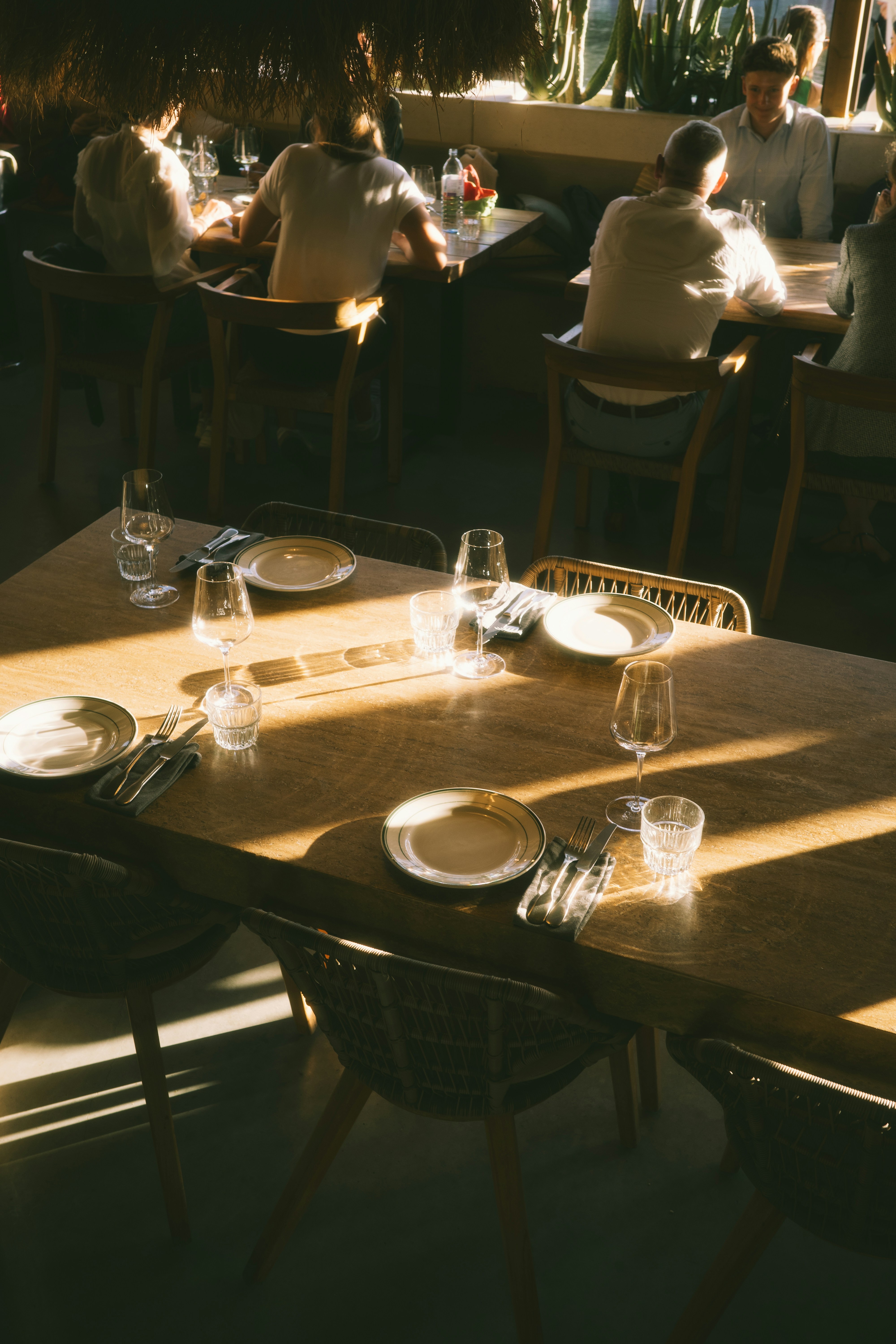
The decision first: is Kyoto a better Michelin trip than Tokyo for a first-timer?
For most travelers who want precision, atmosphere, and a trip that still feels coherent outside the dining room, yes. Kyoto is smaller, calmer, and more emotionally legible. Michelin itself positions Kyoto as a city where dining, ryokan culture, tea, sake, and historic districts fit naturally together. The official Kyoto Travel materials also push visitors toward train-plus-subway or walk combinations for major sightseeing areas, which tells you something important: this city works best when you stop trying to cram too much into each day.
| Question | Kyoto answer |
|---|---|
| Best first Michelin trip in Japan? | Kyoto is often easier than Tokyo if you want fewer moving parts and stronger trip atmosphere. |
| How many big meals per day? | One serious Michelin meal, then keep everything else light. |
| Best stay strategy? | Stay near central Kyoto or the Gion side if dinner logistics matter more than shinkansen convenience. |
| Do buses make the trip easy? | Not always. Official Kyoto guidance repeatedly suggests rail plus walking to avoid congestion. |
What makes Kyoto special for Michelin-focused travelers
The Michelin Guide's Kyoto travel guide is explicit about the city's strengths: time-honored kaiseki, ryotei culture, omakase counters, Bib Gourmand value, and distinct districts like Gion, Higashiyama, and Kyoto Station. It also notes that the 2025 guide includes 93 starred restaurants in Kyoto, which is enough range to support very different trip shapes, from temple-heavy luxury weekends to deep multi-night dining runs.
That variety is the opportunity, but also the trap. Many travelers see a long Michelin list and try to stack too many famous names into one stay. Kyoto punishes that instinct. The city is compact, but meal experiences are long, seasonal, and often emotionally quiet. That means the right itinerary is less about maximizing star count and more about protecting the experience around the reservation.
The smartest Kyoto food-trip shape
Option 1: One signature dinner, one recovery day, one second major meal
This is the safest version for most people. Land in Kyoto, settle in, do a lower-pressure first night, then place your hardest reservation on day two. Leave the next morning and afternoon intentionally open. After that, decide whether the second marquee meal should be lunch or dinner based on where you are staying and how much temple or shopping time you genuinely want.
Option 2: Lunch-led Michelin planning
If you care about evening wandering, lunch is often the better power move. Kyoto after dark is beautiful, but long tasting menus plus transportation plus a next-morning shrine start can make the whole trip feel rigid. A serious lunch lets you keep the night open for a lighter izakaya, tea, or simply not doing anything ambitious.
Option 3: Ryokan plus one high-conviction dinner
If this is meant to feel restorative, stop at one major outside reservation. Let the rest of the trip lean into the ryokan rhythm, neighborhood sweets, market grazing, and shorter meals. The mistake here is trying to prove culinary seriousness by packing the calendar.
Where to stay if Michelin star restaurants Kyoto are the point
Kyoto gives you three practical base strategies.
Gion and Southern Higashiyama
This is the most intuitive base if you want atmosphere and easy access to Kyoto's polished dining mood. Kyoto Station's area guide notes Gion and Southern Higashiyama are central, historic, and strong for fine dining. If your dream trip includes walking back through lantern-lit streets after dinner, this is the right instinct.
The trade-off is crowding. It is beautiful, but not private, and peak seasons can make every movement slower.
Central Kyoto, around Shijo-Kawaramachi or nearby
This is the operationally strongest base for most travelers. You get better all-day flexibility, easier shopping and café breaks, and simpler cross-city movement. If your trip mixes one or two Michelin meals with everything else that makes Kyoto compelling, this is usually the most forgiving choice.
Kyoto Station
Choose this if you are arriving late, leaving early, or building Kyoto into a wider Kansai itinerary. Official Kyoto Travel guidance makes clear that the station is the city's main gateway and useful for fast intercity connections. But it is not the most romantic dining base. If the whole point of the trip is dinner atmosphere, staying only for transport convenience can make the trip feel oddly transactional.
The transit mistake most food travelers make
They plan a fine-dining schedule as if every transfer is frictionless. Kyoto Travel's own transportation pages repeatedly recommend rail plus walking for major areas like Gion because road congestion can make buses slow and unreliable. From Kyoto Station to the Gion area, the official guidance suggests subway transfers or walking sections rather than assuming a simple bus hop will stay simple.
That matters because Michelin travel is really an energy-management game. The wrong 40 minutes before dinner can break the mood of the evening. If you have a fixed-time reservation, leave early and default to rail plus taxi or a purposeful walk over bus roulette.
What to book first, and what can wait
- Book the hardest reservation first. Everything else follows.
- Book the hotel second, based on that reservation's district and whether you are optimizing for dinner return or morning departure.
- Book any train moves into or out of Kyoto after you know your meal timing.
- Leave your low-stakes meals open until the trip has shape.
Michelin itself advises booking hotels in Kyoto three to six months ahead for cherry blossom and autumn foliage periods. If you are chasing both peak scenery and serious tables, assume competition compounds rather than cancels out.
What to skip
Skip the idea that more stars automatically means a better trip. Skip the fantasy of two huge tasting menus on consecutive nights unless you already know that is how you like to travel. Skip hotels chosen only for price if they force awkward post-dinner transfers. And skip over-designed sightseeing days on reservation days. Kyoto is not improved by trying to win it.
Plan your Michelin-focused Kyoto trip without the reservation spiral
SearchSpot helps you compare stay zones, dining timing, and trip pacing so your Kyoto food trip feels deliberate from the first booking.
Plan your Kyoto food trip on SearchSpot
My recommendation
If you are building a first serious Japanese food trip and debating whether Michelin star restaurants Kyoto justify the flight, the answer is yes. But do Kyoto for elegance and pacing, not for sheer volume. Use one reservation as the reason for the trip, a second as the bonus, and let the rest of the city do its work around them.
The smartest version is three or four nights, a central or Gion-adjacent base, one must-have dinner, one optional major lunch, and no heroic same-day cross-city zigzagging. If the trip starts to look like a spreadsheet, you have already gone too far.
FAQ
Is Kyoto worth visiting just for Michelin restaurants?
Yes, especially if you value a more atmospheric, less frantic food trip than Tokyo. Kyoto works best when the city experience and the meal experience reinforce each other.
How many Michelin meals should I plan in Kyoto?
For most travelers, one major Michelin meal per day is the ceiling. Two is possible, but usually not the best use of the city.
Should I stay near Kyoto Station for a food trip?
Only if the broader itinerary demands it. For a dining-first trip, central Kyoto or Gion tends to create a smoother experience.
Are Kyoto buses reliable enough for reservation nights?
They can work, but official Kyoto travel guidance repeatedly flags congestion. Rail plus walking, or rail plus taxi, is safer when timing matters.
Ready to build a Kyoto trip around the right reservation
Use SearchSpot to compare neighborhoods, reservation logic, and pacing before you lock in the expensive parts.
Build your Kyoto Michelin trip on SearchSpot
Sources checked: The MICHELIN Guide Kyoto travel guide and 2025 selection pages, Kyoto Travel area and transportation guidance for Kyoto Station and Gion.
Plan your Michelin Star Restaurants Kyoto trip without the usual guesswork
SearchSpot helps you compare timing, stay strategy, and real-world trade-offs so this plan works before you spend money.
Plan your Michelin Star Restaurants Kyoto trip on SearchSpot
Turn this research into a real trip plan
SearchSpot helps you compare stays, routes, neighborhoods, and decision tradeoffs in one planning flow so you can move from reading to booking with more confidence.