
Michelin Star Restaurants Hong Kong: Central or Tsim Sha Tsui, and Which Base Handles Late Dinners Better
Hong Kong gives you Michelin density on both sides of the harbour. The better trip comes from choosing the right base, not trying to bounce across the city after every reservation.

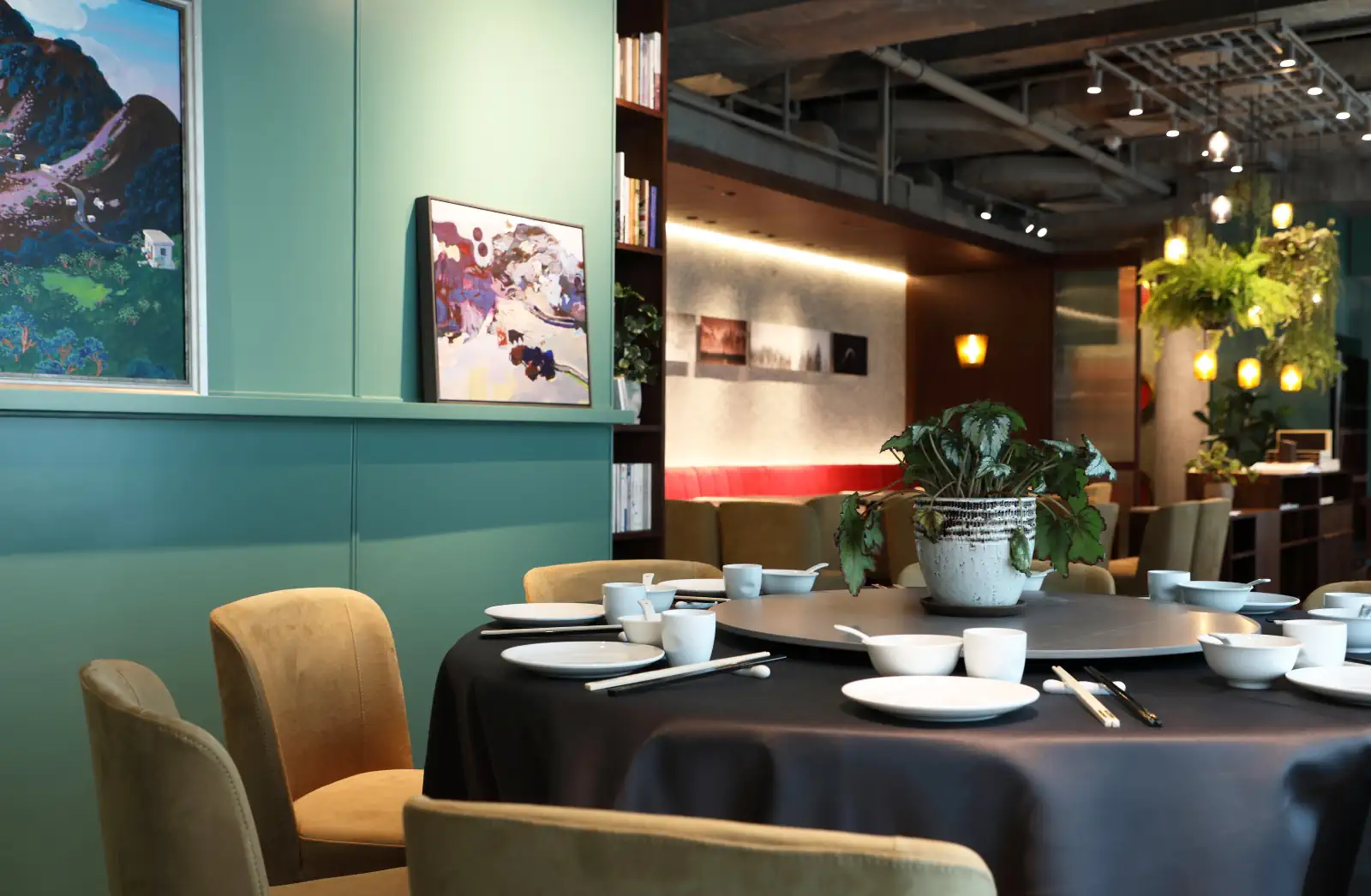
Hong Kong looks perfect for Michelin trip stacking until you start planning it seriously. The city has major starred density, the harbour keeps both sides within reach, and the transport network is good enough that people talk themselves into a hyper-efficient itinerary. Then dinner runs long, the wine pairings land, and the “easy” cross-harbour move suddenly feels like the wrong kind of ambition. If you are searching michelin star restaurants Hong Kong, the most useful question is not “which restaurants are best?” It is “which side of the city should own my nights?”
My clear answer is this: Central wins if you want the sharpest first Michelin-focused trip, while Tsim Sha Tsui wins if hotel luxury and harbour-side convenience matter more than restaurant density. Central gives you more natural range for serious dining. Tsim Sha Tsui gives you a cleaner luxury-hotel rhythm. Both can work. The mistake is pretending they are interchangeable.
| Your priority | Best move | Why it wins |
|---|---|---|
| You want the widest spread of serious dinner options | Central | It keeps you closer to many of the city’s defining Michelin rooms and stronger backup choices. |
| You want hotel luxury, harbour views, and one or two iconic meals | Tsim Sha Tsui | It makes the Kowloon hotel-dining pattern easier and keeps the stay visually dramatic. |
| You want to chase both sides every night | Do not | The city is connected, but repeated late-night harbour logic gets old faster than it looks on paper. |
Why Hong Kong deserves a more deliberate plan
The 2026 Michelin Guide for Hong Kong and Macau underscores just how deep the city's top end is, with Hong Kong alone carrying a serious three-star, two-star, and one-star bench. That depth is exciting, but it also creates planning noise. You can always find another prestigious room. That means the real job is choosing the right trip shape, not maximizing count.
Hong Kong is especially prone to overplanning because so many Michelin experiences sit inside famous hotels or polished commercial districts. That creates the illusion that the city can be consumed as a string of luxury reservations. It cannot, at least not pleasantly. The harbour, the hills, the markets, and the energy of the city all work better when one dinner leads the night and the rest of the plan supports it.
Why Central is the safer first base
Central gives you the cleanest first-trip logic because it puts you in the part of Hong Kong where Michelin ambition, hotel stock, walkability, and late-night backup options overlap most cleanly. It is also where the city still feels like itself after dinner. You can land a serious table and still feel connected to bars, street energy, and the next morning's plan.
The Chairman is the perfect mental model here. It is not valuable because it is famous. It is valuable because a Hong Kong trip built around a table like that needs a base that reduces friction before and after the meal. Central does that better than most alternatives.

When Tsim Sha Tsui wins anyway
Tsim Sha Tsui is the better call if the hotel experience matters almost as much as the restaurants. If your plan is built around iconic rooms, harbour views, and one or two polished hotel-led meals, Kowloon makes a lot of sense. The issue is that some travelers stay there while still wanting Central's broader restaurant flexibility. That is where the trip starts to feel split between two different versions of Hong Kong.
Choose Tsim Sha Tsui when you want the classic luxury-hotel framing. Choose Central when the dining network itself is the priority.
Which reservations deserve to lead the trip
Hong Kong's premium dining market is full of tables that can justify a trip, but not all of them should define your hotel decision. Hotel-based restaurants like Caprice are easier to integrate if you already want the property or district. Destination rooms like The Chairman should influence where you sleep more directly. That is the filter to use: does this reservation belong to the hotel, or does the hotel need to serve the reservation?
If the answer is the second one, base more carefully. If the answer is the first one, you have more flexibility and can let the city stay broader.
Plan your Hong Kong food trip without the cross-harbour headache
SearchSpot helps you compare Central versus Tsim Sha Tsui, dinner density, and late-night transfer trade-offs so your Hong Kong Michelin trip stays clean.
Plan your Hong Kong Michelin trip on SearchSpot
How many major Michelin meals fit
Two is the comfortable number on a four-night trip. Three can work if one is lunch and your hotel base is doing most of the logistical work. More than that turns Hong Kong into a reservation grid when it should still feel like a city. The better rhythm is one major dinner, one lighter ambitious meal, and plenty of room for everything that makes Hong Kong a real food destination beyond the starred rooms.
That includes dim sum, specialist shops, easier neighbourhood meals, and the freedom to let one day stay loose. Hong Kong is at its best when high formality and high energy sit next to each other, not when every meal tries to be the climax.
Mistakes to skip
- Do not book a Kowloon luxury hotel by default if most of your real restaurant targets are in Central.
- Do not cross the harbour repeatedly just because the map says it is possible.
- Do not mistake having a lot of Michelin stars for needing a Michelin reservation every night.
- Do not let one famous table push you into a weak overall hotel decision.
The recommendation
Choose Central for the safest first Michelin-focused Hong Kong trip, choose Tsim Sha Tsui only when the hotel-and-harbour version of the city is the point, and build the stay around one reservation that genuinely deserves to lead the plan. Hong Kong has enough Michelin depth that you do not need to force the trip. You need to stop fighting the geography and let the right side of the harbour win.
Build the Hong Kong plan around the right side of the harbour
SearchSpot helps you compare stay zones, anchor reservations, and dinner logistics before you spend money on the wrong Hong Kong shape.
Start planning your Hong Kong food trip on SearchSpot
Turn this research into a real trip plan
SearchSpot helps you compare stays, routes, neighborhoods, and decision tradeoffs in one planning flow so you can move from reading to booking with more confidence.