
Michelin Restaurant Rome: Which Neighborhood Wins, and When One Big Table Is Enough
Rome Michelin planning is not about chasing every star. It is about choosing the right base, anchoring the trip with one serious booking, and pacing the city properly.

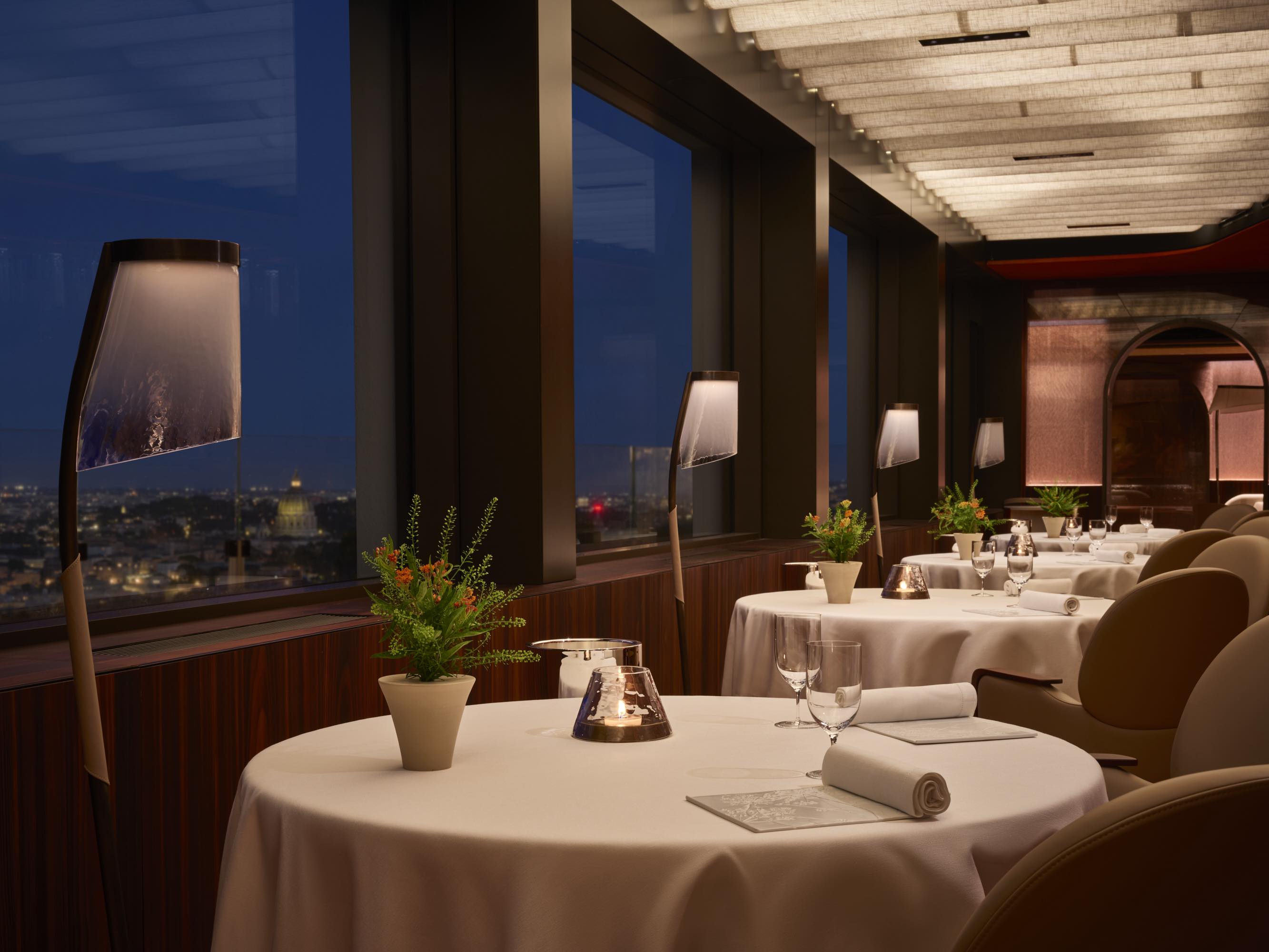
A Michelin trip to Rome fails for one reason more often than people admit: travelers try to turn the city into a tasting-menu scavenger hunt. Rome does not reward that approach. The city is too big, too layered, and too full of non-fine-dining reasons to linger. If you are planning around michelin restaurant Rome searches, the smarter move is to treat one table as the anchor, choose a base that protects your nights, and let the rest of the city breathe around it.
My clear answer is this: most first Michelin-focused Rome trips should stay between Centro Storico and the Spanish Steps side, not out by the hotel splurges and not deep in Trastevere. That keeps you close enough to the richest concentration of serious dining, lets you walk off dinner instead of debugging a long transfer, and gives you flexibility if one reservation never lands.
| Your priority | Best move | Why it wins |
|---|---|---|
| One major Michelin night and easy city days | Centro Storico or Spanish Steps | You stay near multiple serious dining options without turning every evening into a taxi project. |
| You are building the trip around La Pergola | Prati or a luxury hotel base | The western side makes the big reservation easier and keeps the Vatican side practical. |
| You want younger, lower-key energy after dinner | Trastevere | The vibe is better after dark, but the cluster is thinner and the transfer risk is higher. |
Why Rome works best when one table leads the plan
Rome now has one of the deepest Michelin scenes in Italy, with the 2026 guide expanding the city's starred depth again. That matters, but not in the way list posts pretend. More stars do not mean you should attempt more stars. They mean you have fallback options if your first-choice booking misses, and they give you a better shot at fitting one memorable dinner cleanly into a normal city break.
The smartest Rome shape is a three- or four-night trip with one true anchor dinner, one lighter but still ambitious lunch or dinner, and the rest of your eating built around classic Roman places that do not ask you to spend the whole day protecting your appetite. Rome is a city for walking, ruins, church stops, and long afternoons. It is not a city where two huge tasting menus in 24 hours make you feel clever.
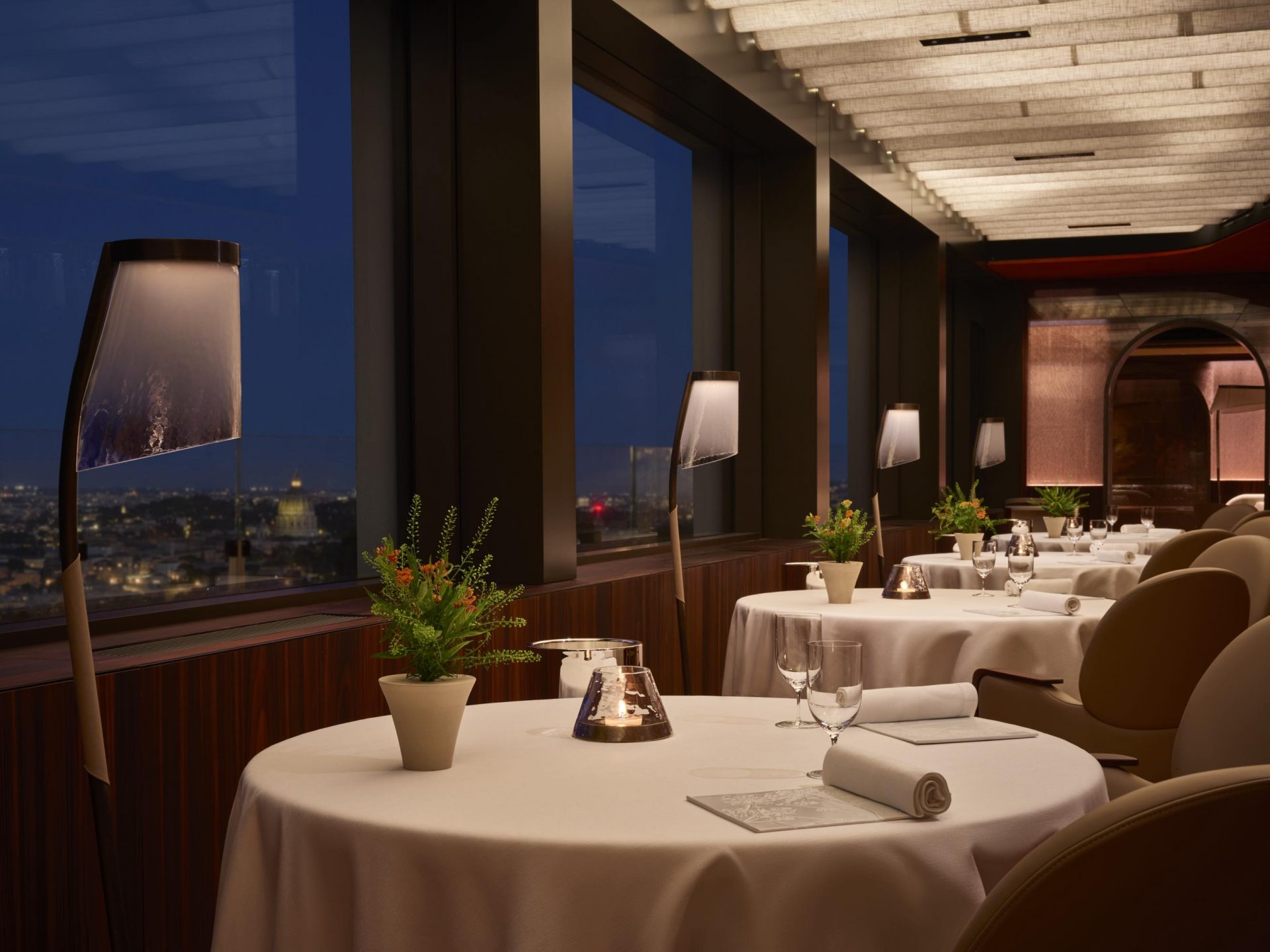
The best base for a Michelin-first Rome trip
Centro Storico wins for most first trips
If you want the safest decision, stay in the historic center on the side that gives you easy access to Piazza Navona, Campo de’ Fiori, and the Spanish Steps. Michelin's own neighborhood framing for Rome points to a heavy concentration of serious dining across the historic core, the Via Veneto side, and nearby luxury hotel zones. That matters because dinner is only part of the experience. You also want a hotel area that still feels good at 10:30 p.m. when you are full, slightly over-caffeinated, and uninterested in solving transit.
This base also protects you if your reservation changes. If one starred table falls through, you are still near strong alternatives, wine bars, and the kind of backup dinner that does not feel like a compromise.
Prati only wins when La Pergola is the point
La Pergola is still the obvious Rome anchor because it is the city's sole three-star table and it sits inside the Rome Cavalieri. If that dinner is the reason you are coming, staying west of the center makes sense. The problem is that many travelers overvalue one glamorous dinner and underweight the rest of the trip. Unless that reservation is confirmed, Prati is more strategic than magical. It solves one night better than it solves the whole trip.
Trastevere is fun, but it is not the default answer
Trastevere earns attention because restaurants like Zia and Glass Hostaria make the neighborhood feel cool and food-literate. The trade-off is that it can push you into more cab reliance and more crowd friction. Choose it if the nightlife energy matters more than the cleanest logistics. Do not choose it just because it looks romantic in roundup articles.
Plan your Rome food trip without the reservation spiral
SearchSpot helps you compare stay zones, dinner anchors, and pacing so your Rome Michelin trip feels deliberate from the first booking.
Plan your Rome Michelin trip on SearchSpot
Which reservations matter, and which ones should stay optional
Use the official restaurant or Michelin booking links wherever possible. La Pergola should be treated as a high-friction booking and a genuine trip anchor. Imàgo, sitting above the Spanish Steps inside the Hassler orbit, is the kind of reservation that works especially well if you stay central because the post-dinner walk is part of the appeal. What you should not do is collect four wish-list places and wait to see what lands. That turns airfare and hotel decisions into guesswork.
A better hierarchy looks like this:
- Anchor reservation: one table you are willing to build a night around, such as La Pergola or Imàgo.
- Flexible second ambition: another serious place, but only if timing works without breaking the rest of the trip.
- Backup plan: a short list of strong non-star or Bib-level options that let you eat brilliantly without logistical drama.
That is how Rome rewards you. Precision on one night, flexibility everywhere else.
How many big meals fit before Rome stops being fun
For most travelers, the ceiling is two major Michelin-level meals on a four-night trip. One dinner is ideal. A second one can work if it is lunch, or if the menus are different enough that the trip still has rhythm. Rome punishes overcommitment because the city asks for walking, queues, stairs, and long, late evenings. You do not want to leave the Forum thinking about whether you can still manage another 14-course menu.
If you book an 8 p.m. dinner, assume the night belongs to that meal. If you stay central, that is fine. If you stay across town, you have just added a transfer problem to a night that should have ended with a ten-minute walk and one last look at the city.
Mistakes to skip
- Do not book your hotel before you decide whether La Pergola is a real target or just a fantasy hold.
- Do not try to “see all the Michelin restaurants in Rome.” The point is not coverage. The point is outcome.
- Do not fill every lunch with heavy Roman classics if you are protecting a serious dinner.
- Do not stay too far out to save a little money if the result is multiple late-night taxi rides.
The recommendation
If this is your first Michelin-focused Rome trip, stay central, lock one serious dinner, and leave room for the city to behave like Rome instead of a fine-dining obstacle course. Build around La Pergola only if you truly get the table. Otherwise let the center win, let the nights stay easy, and let one excellent reservation define the trip instead of trying to manufacture five.
Build the Rome version that actually lands
SearchSpot helps you compare hotel zones, backup tables, and neighborhood trade-offs before you spend money on the wrong shape of trip.
Start planning your Rome Michelin trip on SearchSpot
Turn this research into a real trip plan
SearchSpot helps you compare stays, routes, neighborhoods, and decision tradeoffs in one planning flow so you can move from reading to booking with more confidence.