
Mauna Kea Summit: Self-Drive or Tour, and Who Should Stop at the Visitor Station
Mauna Kea summit looks simple on a Big Island map, but the real choice is not summit or skip. It is whether your vehicle, lungs, and schedule actually match the road and altitude.

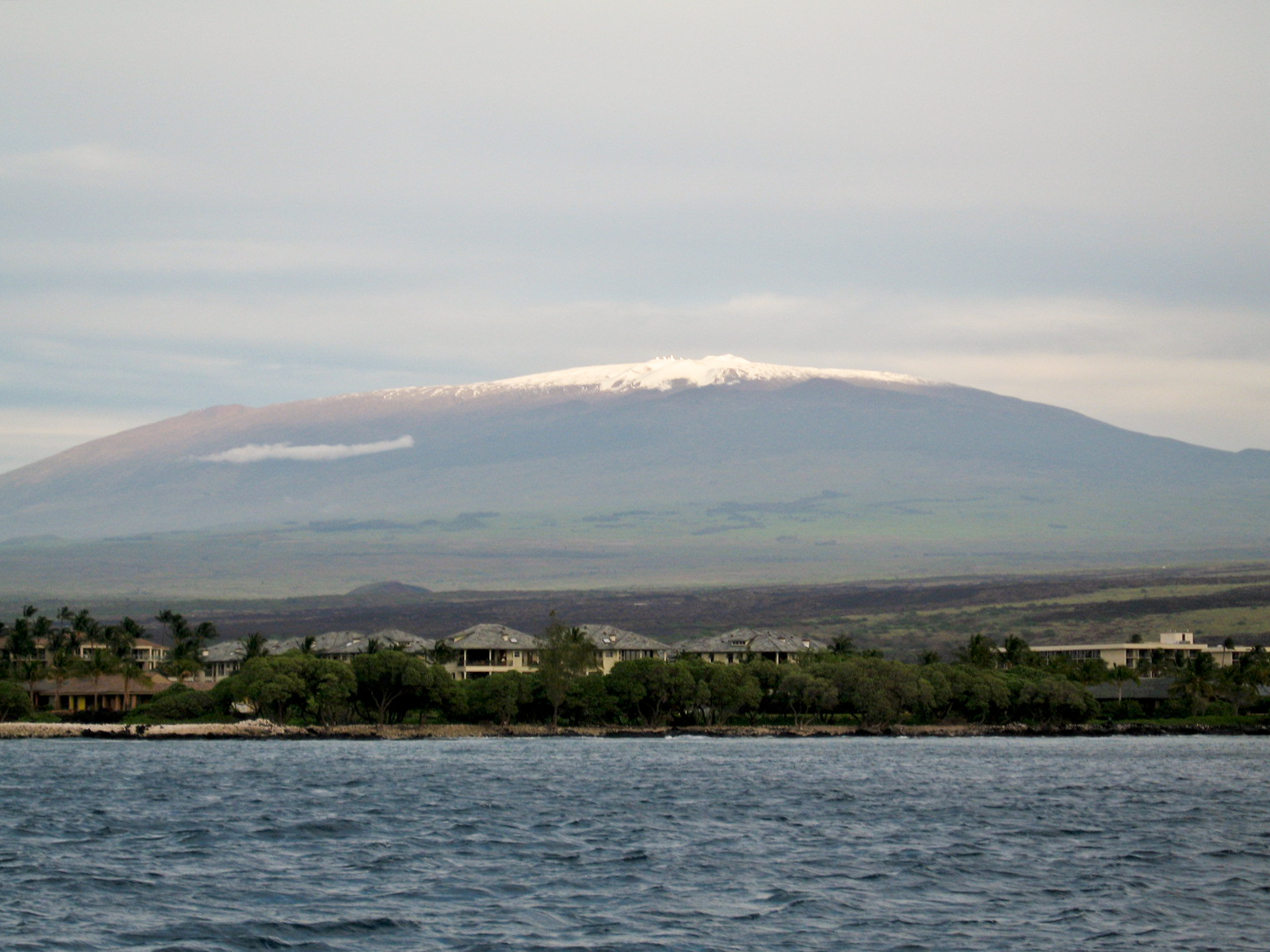
Mauna Kea summit attracts the kind of travel content that makes everything look easy. A sunset photo, a telescope dome, a cloud inversion, done. The real planning problem is more annoying than that. You need to decide whether the summit is actually a good fit for your Big Island trip, whether you should drive yourself, and whether the Maunakea Visitor Information Station gives you enough of the experience without dragging your trip into altitude trouble.
The blunt answer is this: most travelers should not treat Mauna Kea summit like a casual scenic overlook. If you have the right vehicle, you acclimatize properly, and you genuinely want the high-altitude experience, self-drive can work. If you hate steep unpaved roads, do not want to deal with altitude decisions, or are already spending a long day elsewhere on the island, a guided trip is usually the cleaner choice. If anyone in your group is under 13, pregnant, dealing with respiratory or heart issues, or simply unsure at elevation, stopping at the visitor station is the smarter call.
Quick decision: which Mauna Kea version actually fits your trip?
| Trip shape | Best choice | Why |
|---|---|---|
| You want the summit, already have a proper 4WD, and can keep the whole afternoon open | Self-drive summit | You control the pace, stop at the visitor station to acclimatize, and avoid tour timing. |
| You want the summit experience but do not want to manage the road, the brake descent, or altitude calls | Guided summit tour | The operator handles transport, timing, gear, and the high-altitude logistics. |
| You mainly want sunset views, astronomy context, and a realistic family-safe evening | Visitor station only | You still get dramatic scenery and better margins for health and comfort. |
| You are trying to stack too much into one day, especially with Volcanoes National Park | Skip the summit | Mauna Kea stops being magical when it becomes the exhausted last chore on a long island-crossing day. |
What the summit actually involves
Mauna Kea planning starts at the Visitor Information Station, not at the top. The station sits around 9,200 feet and is where travelers are expected to stop, acclimatize, and assess whether going higher is wise. That pause is not a nice suggestion. It is the dividing line between a high mountain experience and a bad decision made because Hawaii does not look like the sort of place where altitude can mess you up.
Above the visitor station, the road gets steeper, rougher, and more serious. A proper 4WD vehicle is required for the summit road. If your rental agreement does not allow it, the plan is dead. If your group starts showing headache, nausea, shortness of breath, or just obvious shakiness at the visitor station, the plan should also be dead. Travelers often waste time debating whether they are being too cautious. On this mountain, cautious is the correct instinct.
The other point people miss is that summit access is not just about getting up there. It is also about getting down safely after sunset, after the temperature drops, after the photos are taken, and after you realize how tiring the elevation feels. This is why the summit works best when it is one of your main plans for the day, not the back half of an overloaded Big Island itinerary.
When self-drive is better
Self-drive is better when three things are true at the same time: you have a legit 4WD vehicle, you are comfortable on steep mountain roads, and your group does not need much hand-holding. In that situation, driving yourself gives you the best control over pacing. You can linger at the visitor station, pull the plug if someone feels off, and avoid the fixed rhythm of a commercial tour.
It also works well if you are already staying on the west side and want the summit to be your big evening plan. Leave yourself plenty of buffer, bring layers that feel excessive for Hawaii, and do not treat hydration like an afterthought. The mountain is dry, exposed, and colder than first-timers expect.
What self-drive is not good for is indecisive groups. If one person wants the summit, one person is nervous about altitude, and one person thinks it will be fine because it is still technically Hawaii, you usually end up with a miserable compromise. That is where a guide, or a clean visitor-station-only plan, becomes the adult decision.
When a guided tour is worth paying for
A guided tour is worth the money when the road itself is the friction point. That includes travelers who do not have the right vehicle, travelers who hate driving rough mountain roads at dusk, and travelers who want the summit experience but also want someone else to handle the risk management. On Mauna Kea, paying for reduced hassle is often smarter than trying to be heroic about self-drive.
Guided trips also make more sense for visitors who want interpretation, not just access. A strong guide can make the experience feel more connected to the mountain's cultural and scientific significance, instead of turning it into a box-checking sunset stop with better parking.
Plan your volcano trip with real access clarity
SearchSpot compares destinations, access logistics, and route trade-offs so your Big Island volcano planning is based on what actually fits your day and your group.
Plan your Mauna Kea summit trip on SearchSpot
Best bases for a Mauna Kea summit day
If Mauna Kea is a priority, Hilo is the easier base. The approach is shorter, the day feels less like a cross-island haul, and you can pair the summit with an east-side stay without burning extra time in the car. Kona works if you are already committed to the west side and understand that the drive is part of the day. Waikoloa can be a decent middle-ground if you want easier west-side resort logistics without making the Mauna Kea run feel quite as long.
Where people get this wrong is trying to fold Mauna Kea into the same day as a deep Hawaii Volcanoes National Park visit from Kona. You can do it on paper. On the ground, it often becomes a marathon of windshield time, altitude, and rushed meals. If both Mauna Kea and Volcanoes National Park matter to you, give them separate days or move your base once.
Who should stop at the Visitor Information Station and not go higher
This is where the article needs to be more decisive than most page-one travel posts. If your group includes children under 13, pregnant travelers, anyone with heart or respiratory concerns, anyone who recently scuba dived, or anyone whose body is clearly not loving the altitude at the visitor station, stop there. Do not negotiate with the mountain because the sunset looks nice.
The visitor station is not a consolation prize. It gives you scale, sky, and context. You still get the cloud deck, the dramatic terrain, and a much lower-risk version of the experience. For a lot of travelers, especially those mixing beaches, snorkeling, and national park time into the same Big Island trip, that is the better choice.
The recommendation
If you are fit, unhurried, properly equipped, and genuinely curious about the summit, do Mauna Kea well. That means one focused afternoon and evening, a real acclimatization stop, warm layers, and zero pressure to keep going if the mountain or your body says no. If any of that sounds inconvenient, book a guided trip or stay at the visitor station. The wrong Mauna Kea plan feels stressful fast.
The travelers who enjoy this mountain most are not the ones trying to prove something. They are the ones who match the experience to the group they actually have, not the one they wish they had.
Plan your volcano trip with real access clarity
SearchSpot compares destinations, access logistics, and route trade-offs so your volcano trip is based on reality, not on oversimplified page-one advice.
Turn this research into a real trip plan
SearchSpot helps you compare stays, routes, neighborhoods, and decision tradeoffs in one planning flow so you can move from reading to booking with more confidence.