
Machu Picchu Train Tickets: Cusco vs Ollantaytambo in 2026
Machu Picchu train tickets look straightforward until you add entry windows, bus handoffs, and Sacred Valley transfer logic. This is the cleaner way to book them.



Machu Picchu train tickets are where a lot of Peru trips quietly go off course. People obsess over train classes and panoramic windows, then ignore the thing that actually matters: whether the rail plan fits the entry slot, the shuttle bus handoff, and the base you picked the night before.
The decisive answer is this: most travelers should think in reverse. Secure the Machu Picchu entry first, then choose the train that gets you to Aguas Calientes with margin. If you do that, the Cusco versus Ollantaytambo choice becomes simpler fast.
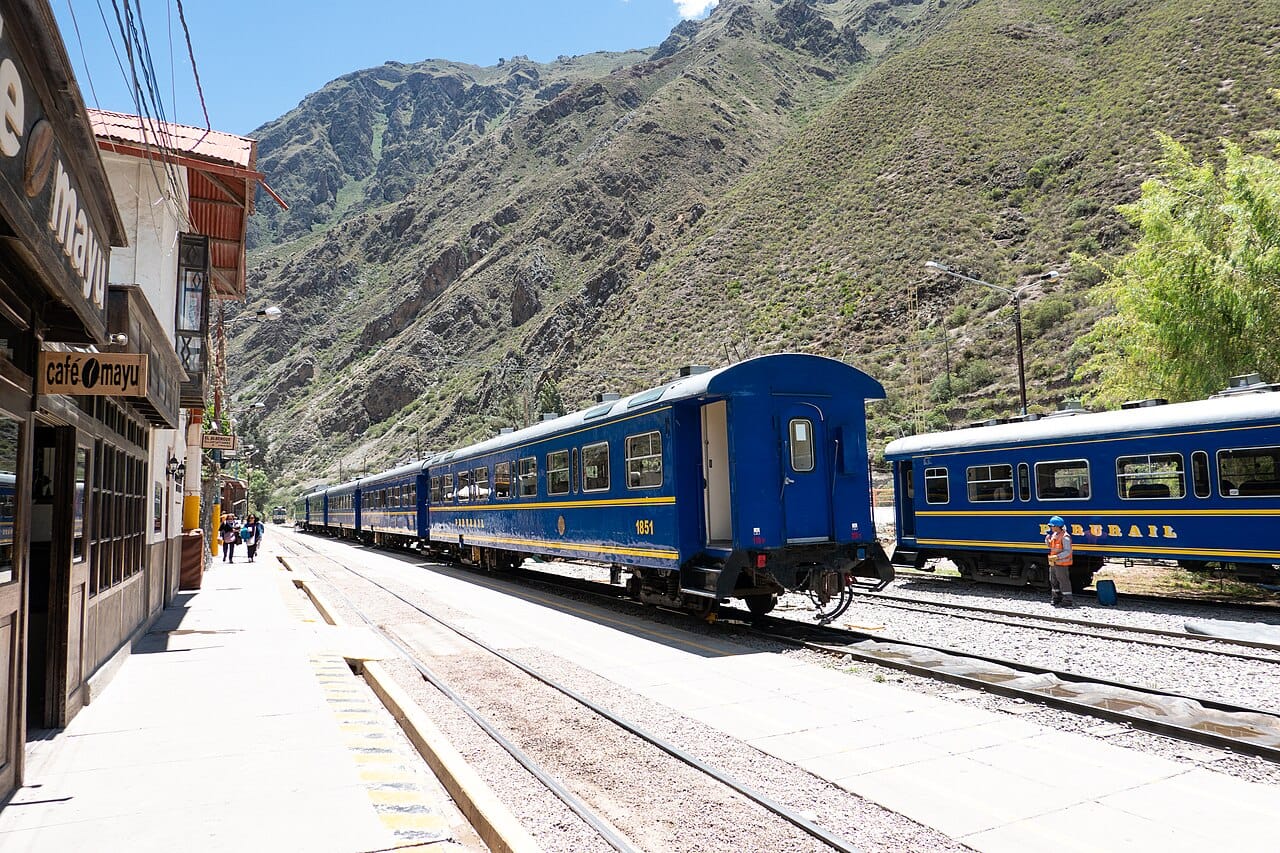

Machu Picchu train tickets: the short answer
If your goal is the least fragile plan, board from Ollantaytambo. If you want a bundled city departure and do not mind a longer travel day, Cusco bimodal service can still work. In both cases, the train gets you only to Aguas Calientes. You still need the final bus leg to the citadel unless you are hiking up.
| Option | Best for | Trade-off |
|---|---|---|
| Ollantaytambo to Aguas Calientes | Most independent travelers, tighter same-day plans, lower-friction timing | You still need to position yourself in the Sacred Valley or transfer from Cusco |
| Cusco bimodal service | Travelers who want one coordinated operator flow from the city | Longer journey, more moving parts, less margin if the day is packed |
What the official and operator pages actually say
Current operator pages show two main pieces of logic. First, train operators sell routes that start from either Cusco or Ollantaytambo, with Cusco frequently handled as a road-and-rail combination. Second, both operator and destination guidance make clear that the train does not eliminate the citadel transfer. You arrive in Aguas Calientes, then continue by shuttle bus for roughly another half hour.
That handoff is the piece many first-timers underestimate. They treat the train arrival as if it were park entry. It is not. A clean Machu Picchu day still needs rail time, station procedures, bus queue time, the uphill bus ride, and enough cushion to hit the entry window calmly.
Choose the rail start from the whole timing chain
SearchSpot can compare city convenience with Sacred Valley margin while accounting for current transfers and the fixed entry window.
Compare my Machu Picchu train options
Why Ollantaytambo is the default smart pick
Ollantaytambo is the cleaner base if your priority is protecting the site day itself. Current route guidance positions it as the main departure point for the shortest rail segment, while Cusco departures often include a transfer to connect into the rail network. That matters because less transit before the train usually means less fragility after the train.
If you are already spending time in the Sacred Valley, Ollantaytambo is even more compelling. It lets you shorten the morning, reduce transfer stress, and give your entry ticket more breathing room. This is especially valuable if you are trying to hit an early entry or a same-day return without turning the day into a sprint.
Cusco works, but it is a logistics choice, not a romance choice
Cusco departure is still reasonable when you want one operator-managed flow from the city and you do not want to self-organize the transfer to Ollantaytambo. The catch is simple: you are trading simplicity in planning for length in execution. That trade can be fine, but only if you admit what it is.
If your trip already includes heavy altitude adjustment in Cusco, early hotel departures, and a fixed return, do not pretend the longer routing is neutral. It adds fatigue, and fatigue is usually what makes people miss the fine details later in the day.
What to book first
Book the Machu Picchu entry first or in parallel at minimum. The train is not your real bottleneck if the only entry circuit you actually wanted is already gone. Operators can sell you rail seats. They cannot turn the wrong circuit into the right ruins day.
Once you know your entry window, book the train that gets you to Aguas Calientes with margin, not with theoretical precision. A perfect spreadsheet that leaves no slack is not a smart itinerary. It is a brittle one.
The timing chain that travelers underestimate
- Cusco departures can include a ground transfer before the rail segment even begins.
- The Ollantaytambo to Aguas Calientes ride is still a real travel leg, not a shuttle hop.
- After arrival, you still need the bus connection up to the citadel.
- Entry windows are fixed enough that late arrival stress can ruin the feel of the visit even when you technically still make it.


Current 2026 service warning
PeruRail says temporary road works around Ollantaytambo began on April 13, 2026 and are expected to affect access for about eight months. Selected bimodal services use Pachar as a transfer point, some schedules changed, and independent passengers heading to Ollantaytambo should allow extra road time. The official May-December timetable identifies whether each service transfers at Poroy, Pachar, Ollantaytambo, or another Sacred Valley point.
Do not book from a city label alone. Read the exact departure station, bus boarding point, transfer station, and arrival time shown for the specific train number. Recheck the operator notice a few days before travel, then give the road transfer and station check-in real margin. This temporary detail is exactly why a theoretically tidy Cusco departure can be more fragile than an Ollantaytambo overnight.
Common mistakes
- Choosing a train by onboard class before checking whether it fits the entry slot.
- Booking from Cusco because it feels simpler, without pricing the extra transit stress into the day.
- Ignoring the final bus leg and assuming train arrival equals site readiness.
- Trying to shave margin to maximize sightseeing elsewhere in the same day.
Best recommendation
For most serious travelers, the smartest order is: buy the Machu Picchu entry, board from Ollantaytambo if you can, and give yourself real buffer between arrival in Aguas Calientes and the gate. Use Cusco bimodal service when you want coordinated handling from the city and are comfortable with a longer chain.
Machu Picchu train tickets are not hard because trains are confusing. They are hard because the train is only one link in a tightly timed ruins day. Build the whole chain, not just the scenic segment.
Check before you go
Hours, ticket inventory, route access, transit service, and operator procedures can change. These primary and official pages were checked on August 21, 2026; recheck them before paying or traveling.
- Peru Ministry of Culture: official Machu Picchu entry-ticket platform
- Peru Ministry of Culture: current circuits and routes
- PeruRail: current Ollantaytambo journey time, 2026 ticket availability, and service notices
- PeruRail: April 2026 temporary access, schedule, and transfer changes
- PeruRail: official May-December 2026 timetable and bimodal transfer points
Book the entry, train, and bus as one plan
Turn separate bookings into one resilient route with enough slack for station procedures and the final citadel transfer.
Build my Machu Picchu transport chain
Turn this research into a real trip plan
SearchSpot helps you compare stays, routes, neighborhoods, and decision tradeoffs in one planning flow so you can move from reading to booking with more confidence.