
Luxury Safari Africa: Where Luxury Actually Changes the Trip, and Where It Mostly Buys Decor
Luxury safari Africa is not just about prettier rooms. This guide shows where premium spend improves sightings, logistics, and privacy, and where it mostly buys marketing gloss.


Luxury safari planning goes wrong when people buy the picture instead of the trip logic.
That is the core problem with most luxury safari Africa content. It shows a plunge pool, a copper bathtub, and a lion in soft golden light, then quietly avoids the harder questions. Which countries actually reward luxury spend? When does a private concession matter more than a national park? When is a charter flight a smart use of money, and when is it just expensive theater?
If you want my blunt answer: luxury is worth paying for when it improves your wildlife access, your privacy, your guide quality, and your routing. It is not worth paying for when the main upgrade is visual polish attached to a weak itinerary.
That is the difference between a safari that feels intelligently expensive and one that just feels expensive.
Luxury safari Africa, the fast decision
| If you care most about | Best luxury move | Why |
|---|---|---|
| Maximum privacy and low vehicle density | Private conservancy or concession | The safari day feels calmer, more flexible, and more exclusive. |
| Best use of short trip time | Fly-in routing | It protects game-drive hours instead of burning them in transit. |
| First safari that needs to feel obviously worth it | South Africa or East Africa private reserve logic | Guiding, service, and wildlife structure are easier to trust. |
| Remote wilderness prestige | Botswana or southern Tanzania | The luxury is tied to space, remoteness, and logistics, not just room finish. |
| Better room with no better safari logic | Usually skip | Decor without better positioning is the easiest way to overspend. |
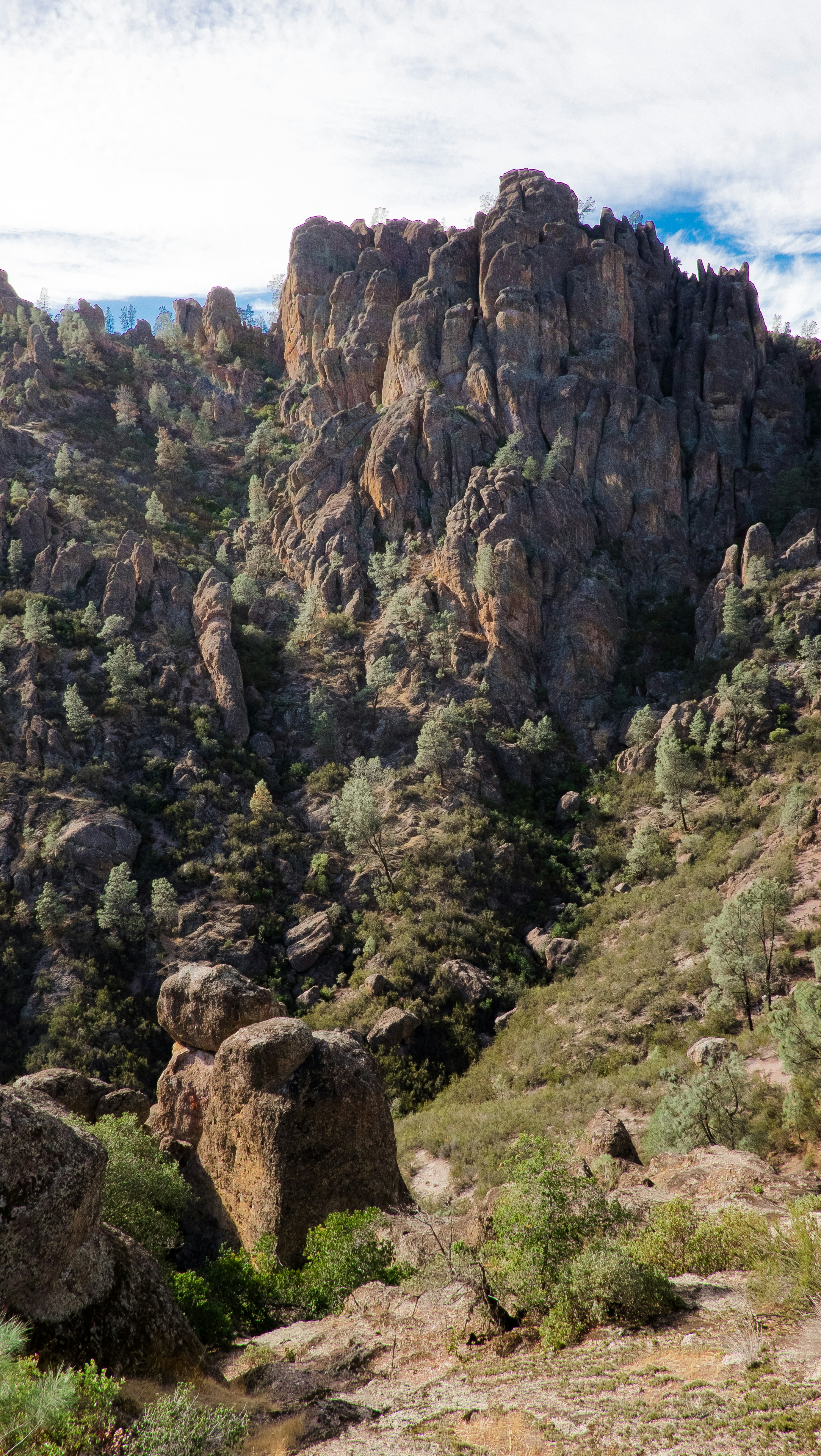
Where luxury safari money genuinely changes the trip
There are four places where premium spend can transform the safari.
- Camp position. If the camp sits in a private conservancy, major concession, or especially strong wildlife zone, your day gets better before you even leave the room.
- Guiding and tracking. Better guides do not control wildlife, but they change how well the trip uses time, how much context you get, and how often a sighting turns into a memorable one.
- Vehicle density and flexibility. The difference between a few vehicles and a small traffic jam is not cosmetic. It changes the emotional quality of the safari.
- Logistics. A clean charter or light-aircraft link can save an entire day of ground movement. On a short luxury trip, that matters.
Notice what is missing from that list: the bathroom. The room matters, but it is usually not the primary reason a luxury safari feels better on the ground.
Which destination patterns suit luxury best
If you want the easiest premium answer, Greater Kruger is hard to beat. It gives you strong guiding, sophisticated lodges, and safari infrastructure that works very well for first-timers who want a polished trip with low planning friction.
If you want the classic East Africa luxury version, the strongest logic is usually private conservancy or premium reserve access in Kenya or Tanzania, or a Serengeti or greater migration plan that protects camp location and transfer efficiency. East Africa rewards luxury spend when it reduces crowds and positioning errors. It does not reward luxury spend when you buy the fanciest camp in the wrong region for your month.
If you want true remoteness and are willing to pay for it, Botswana makes sense. This is where luxury often buys access to places that are operationally harder to reach and less crowded once you are there. It is expensive, but the price often reflects logistics and exclusivity, not just branding.
If you want a wilder-feeling luxury trip and do not need the most beginner-friendly structure, southern Tanzania can be brilliant. But it is better for travelers who understand that remoteness is the point, not a flaw to be fixed later.
Private concession or conservancy versus national park
This is the decision that separates smart luxury from decorative luxury.
A private conservancy or concession can justify higher prices because the actual safari day is usually better managed. Fewer vehicles, more space, flexible drive structure, and stronger privacy all matter. In some areas, off-road viewing or walking also changes the quality of the experience.
A national park lodge can still be excellent. The problem is that travelers often pay luxury prices inside busier systems and then act surprised that the wildlife experience still feels public.
So my rule is simple: if you are paying top-tier prices, you should usually be getting top-tier safari mechanics too. If the wildlife-viewing structure still feels crowded, heavily regulated, or badly positioned for your season, the premium is not doing enough.
Plan your safari without the operator brochure fog
SearchSpot compares destinations, conservancy logic, camp positions, and internal flights so you can see where luxury safari Africa spend improves the actual safari, not just the room photos.
Plan your luxury safari on SearchSpot
When fly-in logistics are actually worth the money
Fly-in luxury is worth it when time is scarce, the camp is genuinely remote, or the whole value of the destination depends on avoiding punishing transfers.
It is especially worth it when you are moving between very different safari regions, combining safari with beach or city time, or trying to protect a three or four-night high-end stay from being hollowed out by movement.
It is less worth it when the route is compact, the drive is part of the experience, or the camp itself is not remote enough to justify the premium. A short scenic hop can be smart. A chain of flights that mostly exists to make the itinerary sound elite can be nonsense.
That is why I would never ask, “Is fly-in safari luxurious?” I would ask, “Does flying save the part of this trip I actually care about?”
How long a luxury safari Africa trip should be
A luxury safari does not need to be two weeks long, but it does need enough time to stop feeling fragile.
For a single-region trip, three to four safari nights is the minimum range where the stay begins to feel worth the spend. For a multi-stop itinerary, I would rather see two strong safari bases than a grand parade of one- and two-night stays that turn the whole trip into a transit performance.
Luxury travelers often make one of two mistakes. They either stay too briefly in expensive camps and never really settle into the rhythm, or they overbuild the itinerary because they assume premium travel should include more named places. Usually it should include fewer, better-chosen places.
Common mistakes people make when paying for luxury
- They buy a famous lodge without checking whether the location fits their month.
- They pay for visual glamour instead of lower vehicle density, better guides, or better routing.
- They assume private always means better, without asking what activities or access rules actually improve.
- They confuse remote with smart. Some remote camps are brilliant. Some are just harder.
- They let a travel designer build too many stops because every camp sounds tempting.
The prettiest camp can still be the wrong camp. If its position weakens your safari, or if the logistics become exhausting, the luxury label does not save the trip.
The recommendation I would make
If you are planning a luxury safari Africa trip for the first time, spend first on park model, camp position, guide quality, and transfer efficiency. Spend second on the room.
If you want the easiest clean answer, Greater Kruger is one of the smartest premium starting points. If you want East Africa, make camp location and seasonal fit the core of the decision. If you want Botswana or southern Tanzania, make sure you actively want remoteness, not just the prestige of saying you booked it.
That is the real point. Luxury should reduce decision regret. If it does not do that, it is not helping enough.
Need luxury that improves the safari, not just the brochure?
Use SearchSpot to compare conservancies, fly-in logic, and lodge positioning before you commit luxury safari Africa money to the wrong trip shape.
Compare luxury safari options on SearchSpot
Sources checked
- Go2Africa, State of Safari 2025
- Go2Africa, private reserves and conservancies
- andBeyond, safari type guidance
- Asilia Africa, flying versus driving safari
- Go2Africa, luxury lodge patterns
Plan your Luxury Safari Africa trip without the usual guesswork
SearchSpot helps you compare timing, stay strategy, and real-world trade-offs so this plan works before you spend money.
Plan your Luxury Safari Africa trip on SearchSpot
Turn this research into a real trip plan
SearchSpot helps you compare stays, routes, neighborhoods, and decision tradeoffs in one planning flow so you can move from reading to booking with more confidence.