
Lowell Observatory Tours: How to Plan the Right Flagstaff Night


Lowell Observatory tours are easy to undervalue if you treat them like a quick attraction between Sedona and the Grand Canyon. That is the wrong frame. Lowell works best as the anchor for a real Flagstaff evening, because the experience is strongest when you give yourself time for the exhibits, the telescopes, and the dark-sky feel of the city itself.
If you want the short answer, here it is: book one dedicated evening in Flagstaff, arrive before sunset, and do not build the visit around a same-night long drive onward. Lowell is worth the effort when it feels like a night out with structure, not a rushed checkbox. The smartest trip shape for most people is one night in Flagstaff if Lowell is part of a larger Arizona loop, or two nights if you want room for weather, slow pacing, and one more dark-sky activity.
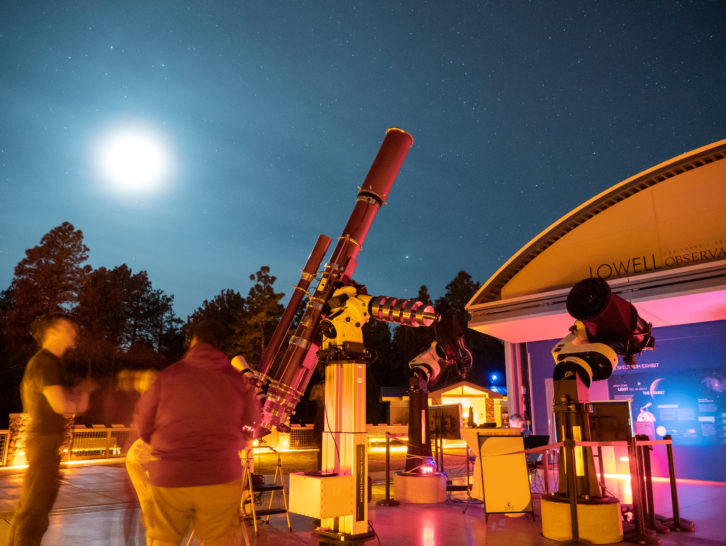
Are Lowell Observatory tours actually worth building a trip around?
Yes, if you care about the combination of astronomy history, hands-on programming, and a city that still feels connected to dark-sky culture. No, if you are expecting a giant, one-note spectacle that overwhelms you in ninety minutes. Lowell rewards attention more than hype.
That is why the right comparison is not a theme park attraction. It is whether you want a serious, very accessible astronomy evening that is easy to pair with a road trip through northern Arizona. In that lane, Lowell is excellent.
| Visit style | What works | What fails |
|---|---|---|
| Same-day stop | Possible if you are already sleeping in Flagstaff | Weak if you still need a long night drive afterward |
| One dedicated evening | Best fit for most travelers | Can feel rushed only if you arrive too late |
| Two-night Flagstaff stay | Best for astronomy-first travelers who want less pressure | Only overkill if Lowell is not a core interest |
The right timing for Lowell Observatory tours
The winning move is to arrive well before full darkness. That gives you time to park, orient yourself, and ease into the site instead of joining the most compressed part of the night already behind schedule. You also get more value because Lowell is not just telescope time. The exhibits and campus context matter.
For most travelers, the best visit window is late afternoon into evening. That structure lets you see the campus in daylight, transition into the night programming, and avoid the feeling that the trip hinged on a single short telescope line. It also pairs well with dinner in Flagstaff before or after, depending on the season and the operating hours for the night you pick.
If you are going in a busy season, treat ticketing and specialty add-ons as something to solve early rather than on arrival. The point is not to buy every extra. It is to avoid the weak version of the visit where the best timed options are already gone.
Plan your Lowell Observatory trip with better timing logic
SearchSpot compares stop timing, stay length, and surrounding trip tradeoffs so your Lowell Observatory visit does not get squeezed into the wrong night.
Plan your Lowell Observatory trip on SearchSpot
How many nights in Flagstaff makes sense?
If Lowell is one stop in a bigger Arizona trip, one night in Flagstaff is usually enough. If Lowell is the point, two nights is the smarter booking. That extra night is less about Lowell itself and more about making the whole astronomy trip calmer. You can arrive earlier, rest at altitude, and avoid forcing your best evening into a narrow window.
People underestimate how much better astronomy-related outings feel when you remove the departure pressure. The bad version of this trip is checking out of Sedona, driving up, squeezing in Lowell, and then driving elsewhere late. The good version is landing in Flagstaff, letting the evening breathe, and sleeping nearby.
The simple recommendation
- One night: best for road trippers already moving through northern Arizona.
- Two nights: best for astronomy travelers, families, and anyone who wants the observatory to feel like the main event.
- More than two nights: only if Flagstaff itself is the destination, not just Lowell.
What most visitors get wrong
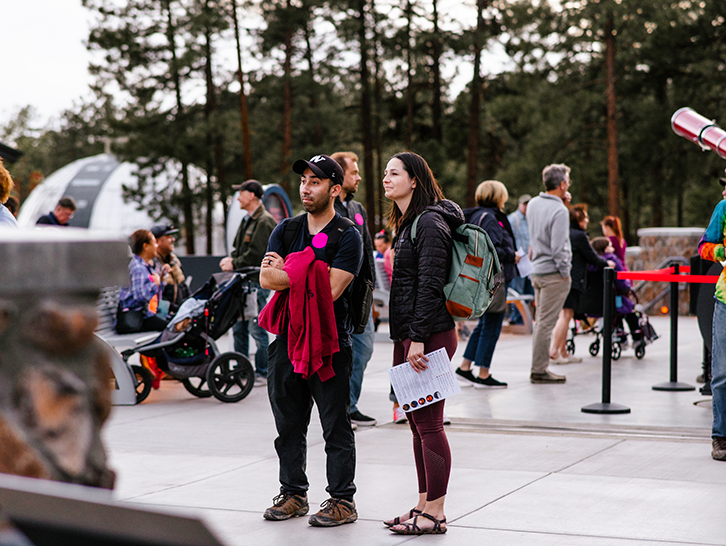
The first mistake is underbooking time. Lowell is not just one telescope look and out. The second mistake is putting the observatory at the end of an already overstuffed day. By the time they arrive, they are hungry, cold, and trying to rush something that was meant to be explored.
The third mistake is ignoring the rest of Flagstaff. The city helps the observatory make sense. If you build even a little margin around the evening, the whole thing feels more intentional and less like a tourist errand.
When Lowell is the wrong fit
If your priority is extreme darkness in deep remote country, Lowell is not that trip. It is an observatory-centered visit in a city with real amenities. That balance is why it works so well for mainstream travel planning, but it is also why hard-core astrophotography travelers may want a darker-field night elsewhere in addition to Lowell, not instead of it.
The call
Lowell Observatory tours are worth it when you give them the shape they deserve: one full evening, a nearby bed, and enough margin that the visit does not compete with a punishing drive. If you do that, Lowell stops being a stopover attraction and becomes one of the easiest astronomy trips in the American Southwest to get right.
Turn Lowell research into a clean Flagstaff plan
SearchSpot helps you compare stay length, stop timing, and nearby route decisions before you lock the Arizona itinerary.
Compare Lowell Observatory trip options on SearchSpot
That is the real appeal. Lowell gives you a serious astronomy night without asking you to be reckless with your energy, budget, or schedule. Build the trip around that reality, and the payoff is easy to understand.
Turn this research into a real trip plan
SearchSpot helps you compare stays, routes, neighborhoods, and decision tradeoffs in one planning flow so you can move from reading to booking with more confidence.