
Kruger Safari: Public Park or Private Reserve? The First-Trip Call That Actually Matters
A Kruger safari can mean self-drive public roads or a fly-in private reserve. This guide shows which version fits your first trip, time, and budget tolerance.


Safari planning is expensive because the wrong decision does not just waste money. It can mean the wrong park model, the wrong logistics, and the wrong level of friction for the kind of trip you actually want.
That is especially true with a Kruger safari. People talk about Kruger as if it is one obvious thing. It is not. You are usually choosing between two very different safari models: the public national park, where self-drive and rest camps keep the trip flexible and more affordable, and the private reserves bordering Kruger, where you are paying for guiding, exclusivity, and a much more controlled wildlife-viewing experience.
If you want my short answer first: most first-time, high-spend travelers should book a private reserve bordering Kruger, not a self-drive stay inside the public park. The national park can be a great trip, but it asks more of you. A private reserve asks less from the traveler and more from the lodge, the guide, and the trip design. That is usually the smarter trade when the safari is expensive and expectations are high.
Kruger safari, the fast decision
| If you care most about | Smarter Kruger call | Why |
|---|---|---|
| First safari confidence | Private reserve | Guides, trackers, and fewer vehicles make the trip less fragile. |
| Budget control | Public park | Rest camps and self-drive routing reduce the price dramatically. |
| Best chance of a polished luxury trip | Private reserve | Off-road viewing, night drives, and lodge service change the experience. |
| Total independence | Public park | You decide where to drive, when to stop, and how basic or comfortable to go. |
| Short trip with little wasted time | Fly-in private reserve | It protects game-drive time instead of turning the safari into a transfer project. |
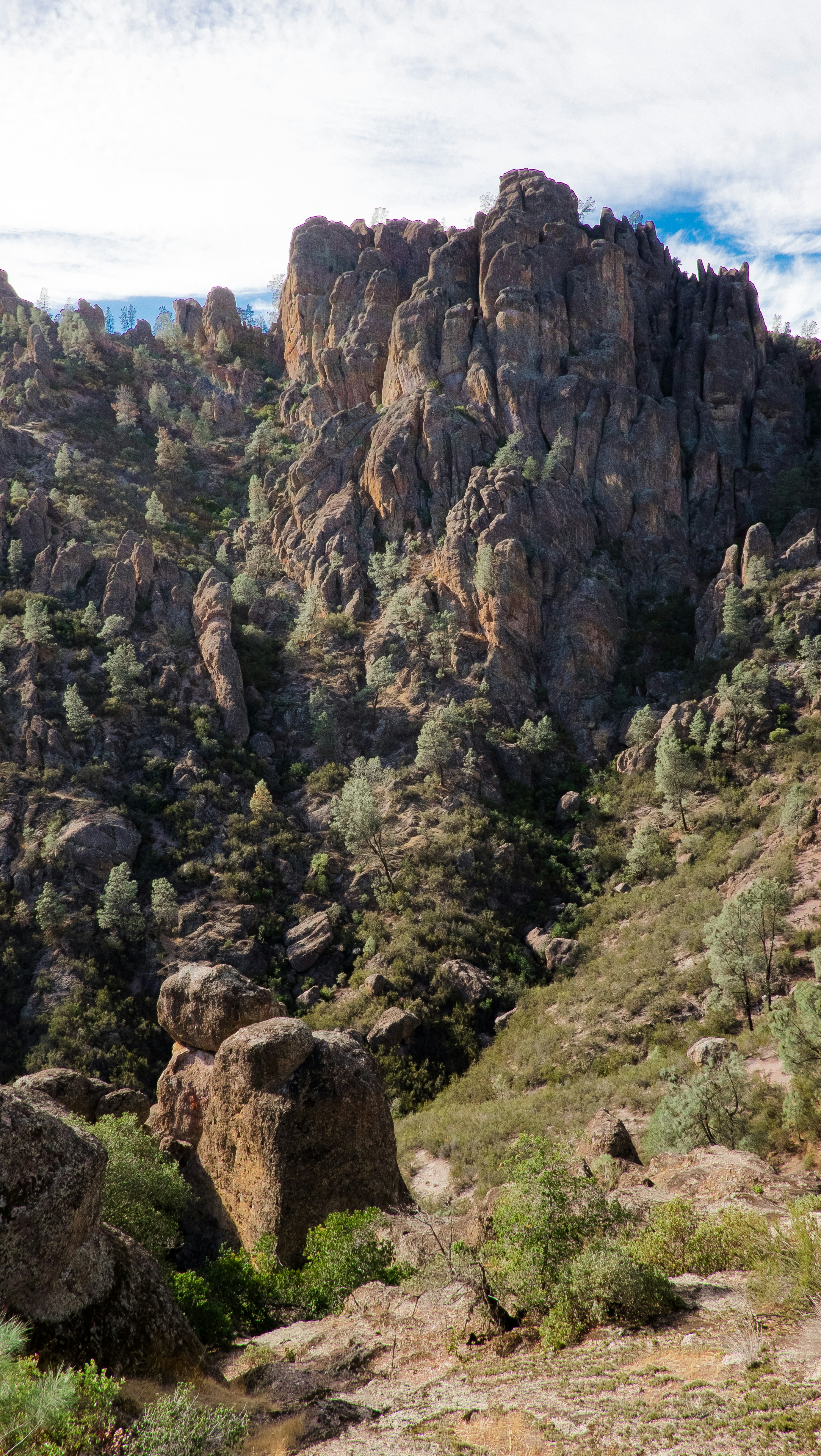
Why the public park versus private reserve choice matters more than people admit
The public park and the private reserves are not just different price bands. They are different experiences built on different assumptions.
In the public park, you are usually doing more yourself. You drive, navigate, judge where to linger, decide when to move on, and live with the sightings you happen to catch. That independence is the appeal. For some travelers, it is the whole point.
In a private reserve, you are paying to offload that work. A guide and tracker read the bush for you. Vehicle numbers are lower. Night drives and guided walks are usually part of the experience. In some reserves, off-road tracking is allowed, which changes how close and how long you can stay with an animal sighting. That does not guarantee magic every hour, but it absolutely improves the structure of the trip.
That is why I would not frame the decision as authentic versus luxury. I would frame it as independent and variable versus managed and high-confidence.
When the public park is the smarter Kruger safari
The public park is the right answer if you like driving, want a longer trip without detonating your budget, and would genuinely enjoy the satisfaction of finding wildlife yourself. It is also a strong fit if you want a more classic road-trip feeling, especially if your safari is part of a wider South Africa route.
But here is the catch: a public-park Kruger safari is better for travelers who are relaxed about uncertainty. You may have excellent sightings. You may also hit crowded viewpoints, spend too much time behind the wheel, or realize too late that the safari demanded more stamina and more planning than you expected.
If that sounds like a fun challenge, the public park can be great. If that sounds like the exact kind of expensive uncertainty you were trying to avoid, it is probably the wrong first move.
When a private reserve is worth the money
This is where luxury genuinely changes the trip. Not because the room is nicer, although it usually is. Not because the wine list is longer, although that happens too. The real change is that a private reserve gives you a more efficient safari day.
You spend less time guessing. Less time competing with traffic at sightings. Less time wondering whether the trip would have been better if someone else had structured it. If you are paying a lot to be there, that reduction in friction matters.
Private reserves are especially worth it when any of these are true:
- You are on your first safari and want a strong chance of feeling the trip delivered.
- You only have three or four safari nights.
- You care about leopard sightings, guided interpretation, or night drives.
- You want the trip to feel restorative, not effortful.
- You are pairing Kruger with Cape Town and need the safari section to run cleanly.
Plan your safari without the operator brochure fog
SearchSpot cross-analyzes parks, reserve styles, flight chains, and camp trade-offs so you can decide whether a Kruger safari should be public, private, self-drive, or fly-in before you spend on the wrong version.
Plan your Kruger safari on SearchSpot
Fly-in or drive-in: the logistics decision that changes the whole mood
If you have a week or less for the safari portion, I would lean hard toward flying. The reason is simple: time inside safari country is expensive, and long road transfers burn through your best daylight hours fast.
A fly-in Kruger safari works especially well when you are pairing Johannesburg arrival with a private reserve stay. It keeps the safari section compact and protects the actual point of the trip, which is being in the bush, not getting to the bush.
Drive-in still makes sense if budget matters more, if you enjoy road travel, or if your trip is intentionally slower. But do not call a long drive free. You pay for it in energy, flexibility, and how quickly the trip starts to feel workmanlike rather than exciting.
Best time for a Kruger safari
The dry season is usually the easier recommendation for first-timers because thinner vegetation and water concentration make the game-viewing logic simpler. If your main goal is to reduce risk and increase wildlife-viewing confidence, that is the safer call.
The greener months can still be a good choice if you care about landscapes, birding, lower-season value, or a softer visual experience. They are just less forgiving if your entire emotional brief is, “I need this safari to feel obviously successful.”
That is why I would not obsess over one perfect month. I would match the season to your tolerance for uncertainty. Nervous first safari, go drier. Repeat safari or scenery-first mood, greener periods become easier to justify.
How many nights a Kruger safari really needs
Two nights is too thin for most people. You spend a meaningful share of the trip arriving, orienting, and leaving again. Three nights is the first version that starts to feel real. Four nights is where the safari usually stops feeling fragile.
If you are staying in a private reserve, three to four nights is the cleanest first-trip range. If you are self-driving the public park, I would rather have four to six nights so the trip has room for quieter stretches and less rushed routing.
Shorter can work. It is just more dependent on perfect execution, and that is not what most anxious first-time planners actually need.
Where luxury changes the trip, and where it mostly buys decor
Luxury changes the trip when it improves one of these:
- Camp position near the right wildlife zone.
- Guide and tracker quality.
- Vehicle exclusivity or lower guest density.
- Transfer efficiency that protects safari time.
- Access to activities such as walks or night drives.
Luxury mostly buys decor when the selling point is a prettier suite but the game-viewing logic is no better than a cheaper alternative. If the lodge is beautiful but poorly positioned, or if the itinerary adds stress with no wildlife upside, you are paying for the wrong layer of the experience.
That is the standard I would use. Ask whether the extra money improves the safari itself, not just the photography of the room.
The recommendation I would make
If this is your first Kruger safari, and you care about coming home feeling that the trip was unquestionably worth it, choose a private reserve bordering Kruger, fly if the trip is short, and stay at least three nights.
If you love road-tripping, want more independence, or are deliberately trying to stretch the safari across more days, then the public park can absolutely work. Just choose it because you value the freedom, not because you think it is secretly the same as a private reserve for less money.
That is the trap. It is not the same trip. Sometimes that is exactly why the public park wins. Sometimes that is exactly why it does not.
Need the Kruger version that fits your time and risk tolerance?
Use SearchSpot to compare public park stays, private reserve styles, and the flight-versus-road trade-off before you lock in the wrong safari structure.
Compare Kruger safari options on SearchSpot
Sources checked
- SANParks, Kruger National Park
- SANParks, planning and travel information
- Go2Africa, Kruger public versus private guide
- SafariBookings, private reserves bordering Kruger
- Go2Africa, Cape Town and Kruger logistics
Plan your Kruger Safari trip without the usual guesswork
SearchSpot helps you compare timing, stay strategy, and real-world trade-offs so this plan works before you spend money.
Plan your Kruger Safari trip on SearchSpot
Turn this research into a real trip plan
SearchSpot helps you compare stays, routes, neighborhoods, and decision tradeoffs in one planning flow so you can move from reading to booking with more confidence.