
Kedarnath Helicopter Booking: Official Booking Flow, Real Constraints, and When Flying Is Worth It
Kedarnath helicopter booking only works when you understand the official IRCTC flow, the Char Dham registration link, and when flying is worth the trade-off.


Kedarnath helicopter booking gets treated online like a fast checkout problem. It is not. It is a pilgrimage access problem with weather, quota pressure, base-helipad decisions, weight rules, and one non-negotiable truth underneath all of it: if you do not handle the official sequence correctly, the rest of the plan can collapse.
For most travelers, the right first principle is this: only use the official path, and only after your Char Dham registration is complete. That sounds obvious, but it is exactly where many pilgrims get pulled off course by agent noise, fake urgency, or incomplete assumptions about how the system links together.
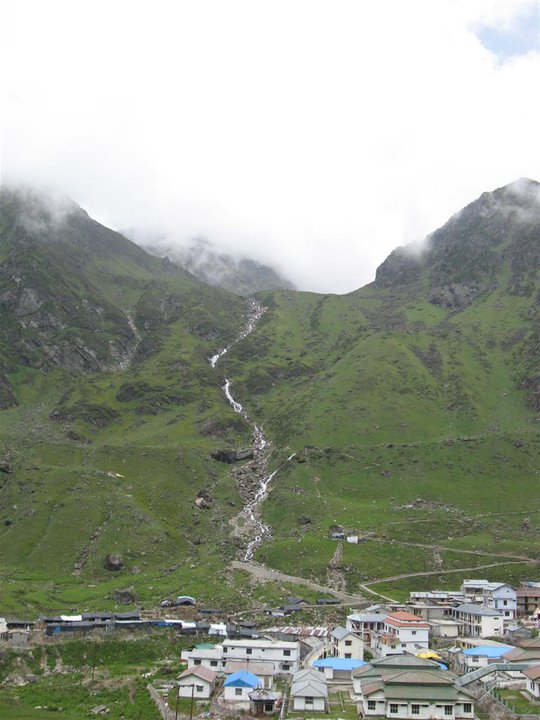
The quick answer: when flying is actually worth it
The helicopter makes sense when the full trek would either overpower the purpose of the trip or make the pilgrimage unrealistic for your group. That is usually true for elders, low-mobility travelers, or people whose available window is too short for the walking version to remain steady and meaningful.
It is less compelling when the main motivation is just speed. Kedarnath by helicopter saves physical strain and time, but it also introduces dependence on slot availability, weather, and tighter procedural accuracy. If you are fit, unhurried, and comfortable with the walking route, the trek still delivers the fuller pilgrimage logic.
| Option | Best for | Main trade-off |
|---|---|---|
| Helicopter | Elders, time-tight families, lower-mobility pilgrims | More process-sensitive, more exposed to slot and weather disruption |
| Trek | Travelers with time, stamina, and a desire for the full route | Higher physical demand, slower overall movement |
How the official booking flow actually works
The clean planning sequence is more important than the booking screen itself.
- Complete the official Char Dham registration.
- Keep the registration number or group ID ready.
- Use the official HeliYatra or IRCTC-linked booking process, not a random operator promise.
- Select date, base helipad, and available slot only after understanding your ground logistics.
- Carry the matching identification and confirmation trail for every traveler.
The core reason this matters is that helicopter booking is not independent of the yatra. It depends on the same registration spine that supports the wider pilgrimage. If someone offers to bypass that logic, what they are really offering is risk.
Plan your Kedarnath route with more clarity and less friction
SearchSpot helps you compare trek versus helicopter logic, base helipad choices, and buffer-day planning so your Kedarnath trip stays realistic from the start.
Plan your Kedarnath trip on SearchSpot
The base-helipad decision matters more than people think
Many travelers act as if helicopter booking is one simple product. In reality, you are choosing a wider day shape. Different base helipads change your reporting time, road-transfer burden, and the amount of strain you carry before you even board.
If your group includes elders, the smart question is not just “Which seat can I get?” It is “Which base point keeps the whole day calmer?” Sometimes the best slot is not the earliest one. Sometimes the best helipad is the one that reduces chaotic road timing, even if the fare is not the cheapest.
Where the scams and bad assumptions appear
1. Fake agents selling convenience
Kedarnath attracts enough demand that the unofficial market will always try to sound helpful. The official guidance is clear that pilgrims should use the authorized system. If a seller wants private payment before official confirmation appears, walk away.
2. Assuming registration can be done later
No. Registration is the first layer. Helicopter planning sits on top of it.
3. Treating weather as a minor footnote
In mountain aviation, weather is structural. If your itinerary has no slack for a changed slot or a delayed movement, the itinerary is too aggressive.
4. Forgetting group-fit reality
One relative may want the helicopter, another may prefer the walk, and a third may be able to do either. The best family trips decide this honestly instead of forcing everyone into the same performance of devotion.
How many buffer days should you protect?
If you are flying, protect at least some margin before and after the key movement. The tighter your onward train or flight connection, the more fragile the whole trip becomes. That does not mean you need a long holiday. It means you should stop pretending that a high-altitude helicopter schedule behaves like a metro ride.
For most people, the smart version of Kedarnath by helicopter is a trip that still has enough calm around it to feel like a pilgrimage and not a slot-chasing exercise.
Who should skip the helicopter
Skip it if you have time, walking capacity, and a strong desire to experience the route itself. Also skip it if you are only choosing it because the internet convinced you it is the premium way to do Kedarnath. Premium is not the same as right.
The helicopter is best when it protects access. It is not always best when it simply protects convenience.
Final call
Kedarnath helicopter booking works well when three things are true: your registration is clean, your group genuinely benefits from flying, and your wider itinerary has enough margin to handle the mountain on its terms. If those things are not true, the booking can become the most stressful part of the trip.
For most travelers who need it, the helicopter is worth it. For most travelers who do not, it is just another layer of complexity. Make that call clearly, and the rest of the plan gets easier.
Plan your Kedarnath route with more clarity and less friction
SearchSpot helps you line up helicopter eligibility, road timing, and buffer strategy so the yatra works as a whole instead of as disconnected bookings.
Plan your Kedarnath trip on SearchSpot
Turn this research into a real trip plan
SearchSpot helps you compare stays, routes, neighborhoods, and decision tradeoffs in one planning flow so you can move from reading to booking with more confidence.