
Gaudi Architecture Barcelona: The 2-Day Route That Works
A practical Gaudi architecture Barcelona route with the booking logic, neighborhood base, and stop priorities that make a first design trip feel coherent.


Architecture travel can get abstract fast unless someone tells you which buildings are actually worth entering, how to sequence them without wasting half the day in transit, and which Barcelona base makes the whole thing easier. That is especially true with Gaudi architecture Barcelona searches. The city hands you more than enough masterpieces, but most guides still treat them like a flat list. They are not a flat list. They are a route problem.
Here is the decisive answer: if this is your first architecture-focused Barcelona trip, build it as two Gaudi days, not one giant checklist. Use Day 1 for Sagrada Familia and the Passeig de Gracia pair, then use Day 2 for Park Guell, Casa Vicens, and one lower-pressure add-on such as Palau Guell. That shape respects current timed-entry pressure, keeps your walking dense, and stops the trip from collapsing into cross-city zigzags.
The short answer
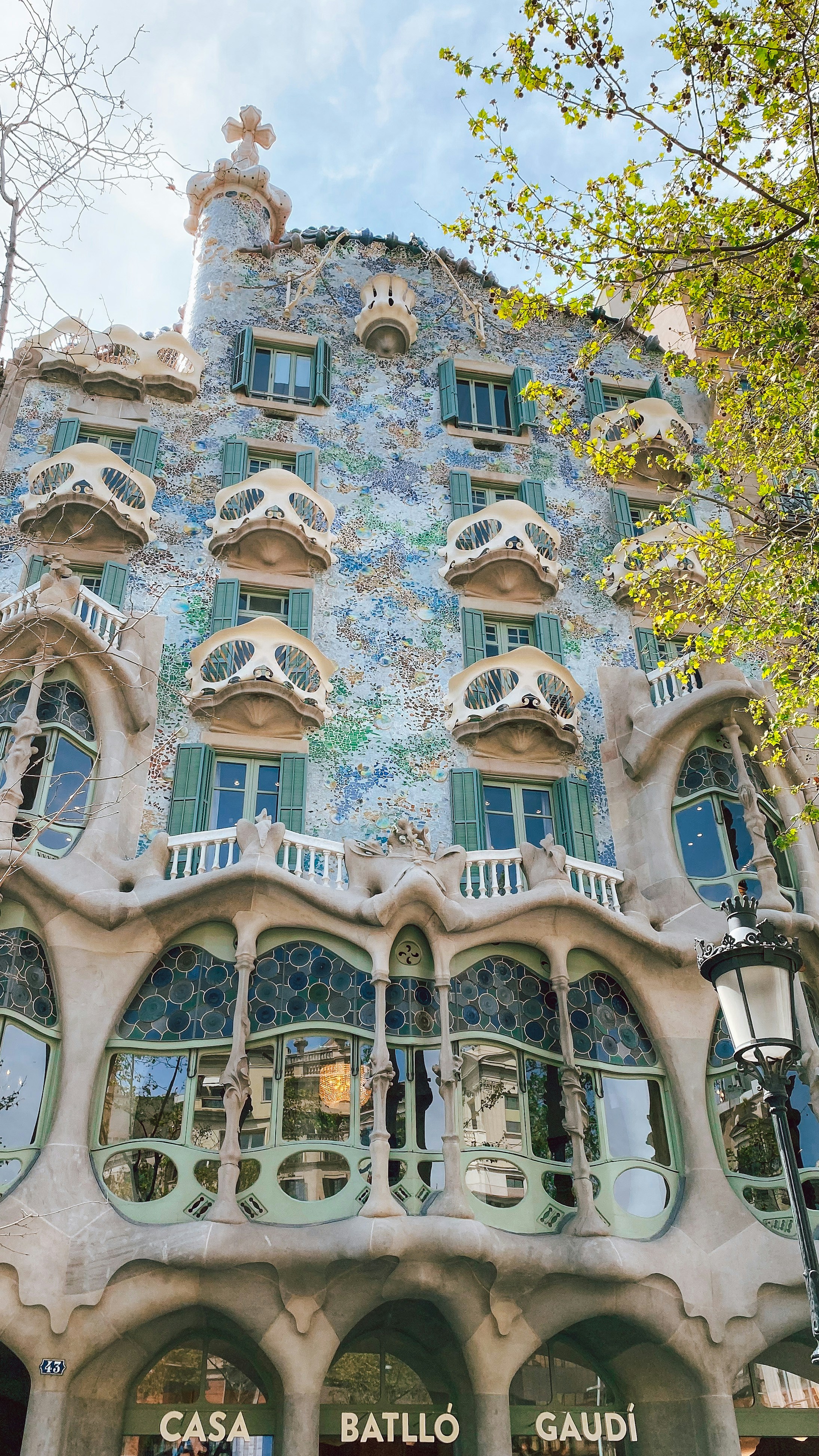
If you only remember one thing, remember this: Eixample first, hillside second, old city last. Sagrada Familia, Casa Batllo, and La Pedrera belong in the same architectural chapter because they are the high-value, timed-entry buildings that most first-time visitors actually regret rushing. Park Guell and Casa Vicens belong together because they sit better on a second day when you are no longer trying to do the city center at the same time. Palau Guell is best treated as a clean add-on, not a backbone.
The biggest mistake is trying to combine Sagrada Familia, Park Guell, Casa Batllo, La Pedrera, Casa Vicens, and the Gothic Quarter in one all-day sweep. You can physically do that. You will not read the architecture properly, and by mid-afternoon you will be making bad decisions just to stay on schedule.
Why most Gaudi itineraries feel worse than they look
Most Barcelona architecture roundups are optimized for visual completeness, not route logic. They tell you every famous Gaudi site, then quietly assume you will figure out the pacing on your own. But Gaudi in Barcelona comes with real operational constraints:
- Sagrada Familia is timed and online-ticketed, which makes it a day anchor, not a casual stop.
- Park Guell limits tourist access to timed slots in the Monumental Zone, which means you should not leave it as an improvisation.
- Casa Batllo and La Pedrera are easier to thread into an afternoon because they sit on the same elegant corridor.
- Casa Vicens is better when your head is fresh and your route is already up in Gracia.
- Palau Guell works when you want one old-city Gaudi interior, but it should not drag your whole route west too early.
Once you accept that, the city becomes much easier to read. The point is not to see the most names. The point is to keep the strongest buildings inside the strongest day shape.
Day 1: Sagrada Familia plus Passeig de Gracia
This is the highest-yield first day because it gives you Gaudi at his most universally rewarding and his most urban. Start with Sagrada Familia early. Its current visitor rules matter: tickets are sold online, the entry slot is fixed, and the visit needs enough calm around it that you are not checking your phone every ten minutes wondering whether you will miss something else. Give it the morning. Do not try to make it a quick photo stop.
After Sagrada, walk or transit toward Passeig de Gracia. That shift matters because it changes the architectural conversation from sacred monumentalism to urban facade theater and residential experimentation. The right afternoon pair is Casa Batllo and La Pedrera. They are close enough to compare in the same mental frame, and the street itself supports the reading. You are not just seeing two buildings. You are watching Gaudi compete with the boulevard.
| Day 1 stop | Why it belongs | Booking pressure | How to think about it |
|---|---|---|---|
| Sagrada Familia | The emotional and structural anchor | High | Protect the morning and buy timed tickets first |
| Casa Batllo | Best facade drama on the central boulevard | Medium | Ideal for a later slot because it stays open into the evening |
| La Pedrera | Best roof-and-form payoff | Medium | Use it to finish the day when the city light softens |
If you only pay into two interiors on Day 1, make them Sagrada Familia and La Pedrera. Casa Batllo is famous and highly photogenic, but many first-timers overvalue the brand recognition and undervalue how much La Pedrera helps them understand Gaudi as a space-maker rather than a facade-maker.
Plan your architecture trip with better route logic
SearchSpot compares routes, neighborhoods, and site logistics so your architecture trip feels coherent before you step outside.
Plan your Gaudi architecture Barcelona trip on SearchSpot
Day 2: Park Guell, Casa Vicens, and one smaller detour
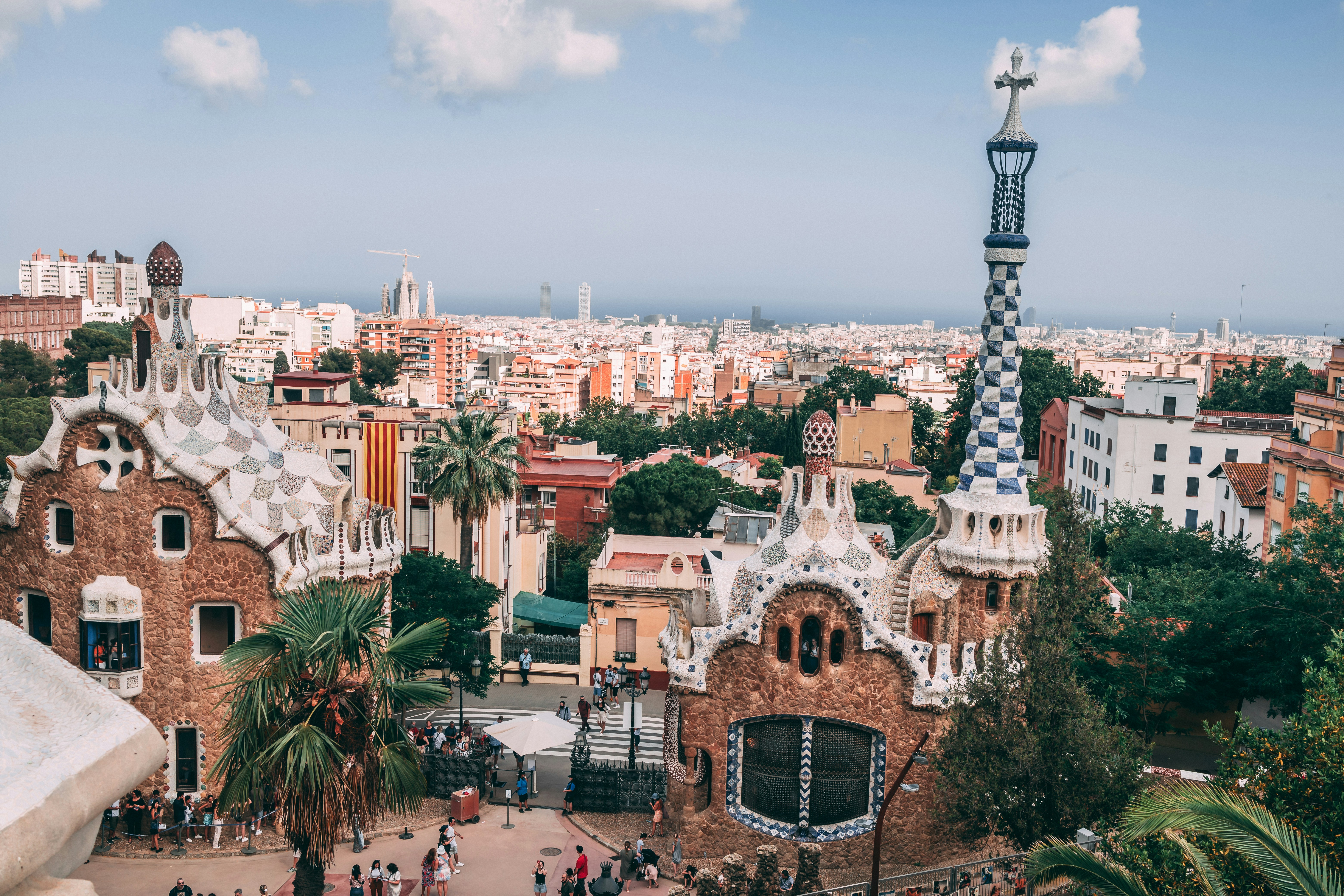
Park Guell needs its own mental space. Tourist access to the Monumental Zone is timed, capacity-limited, and unforgiving if you treat it casually. The smart move is to give it the first protected slot of the second day. The site allows a short grace period after your booked time, but it is not the kind of attraction you should push to the edge, and there is no point pretending you can just buy a ticket on-site once you are already there.
After Park Guell, move to Casa Vicens. That pairing works because you stay on the north side of the city and keep the day architecturally coherent. Casa Vicens is the corrective to visitors who only know the mature blockbuster Gaudi. It shows you an earlier, sharper, more decorative version of the architect, and it rewards people who still have enough attention left to notice differences instead of just collecting icons.
The final stop depends on your energy. If you want one more interior and you are happy to drop back toward the old city, Palau Guell is the cleanest choice. It is underrated for first-time Gaudi travelers because it sits outside the usual boulevard loop, but that is exactly why it works as a second-day closer. You can experience a more enclosed, darker, earlier Gaudi without forcing the building to do the emotional work that Sagrada already did.
If you are fading, skip the extra interior and use the rest of the afternoon for slower city reading around Gracia or Eixample. The entire point of an architecture trip is to leave enough cognitive bandwidth to absorb what you saw.
What to book first, and what can wait
The booking order matters more than people admit.
- Sagrada Familia first. It is the most schedule-sensitive and the least worth leaving to chance.
- Park Guell second. The Monumental Zone runs on timed access and there are no on-site tourist ticket sales.
- La Pedrera third. Timed booking helps you fit it into the exact hour that suits your Day 1 shape.
- Casa Batllo fourth. It has generous opening hours, so it is easier to flex around your day.
- Casa Vicens and Palau Guell last. They matter, but they do not usually control the whole route.
This is also where travelers usually get too ambitious with tower add-ons, night experiences, or multiple guided upgrades in one day. My advice is simple: on a first trip, prioritize clean entry over premium complexity. Better timing beats a fancier ticket.
Where to stay for a Gaudi trip
If Gaudi is your real reason for being in Barcelona, stay in Eixample. It gives you the easiest first day, keeps Passeig de Gracia close, and still leaves Sagrada Familia and Gracia reachable without making every movement feel like a transfer project. It also helps at night, when you want dinner and a reset without crossing the whole city again.
Gracia is the second-best base if you care as much about Day 2 pacing as Day 1. It is especially good if you want Casa Vicens and Park Guell to feel local instead of like an excursion. What I would not do is stay deep in the Gothic Quarter just because it feels romantically Barcelona. That works for a tapas weekend. It is not the cleanest move for a building-focused trip built around Gaudi.
How many days do you need?
One day is survivable. Two days is the real answer. Three days is luxury if you want to layer in non-Gaudi Modernisme, neighborhood wandering, and a slower old-city finish. For most first architecture travelers, two days is the point where Barcelona stops feeling like a rush of icons and starts feeling like a system.
If your schedule is tighter, cut stops before you compress time. Keep Sagrada Familia, one Passeig de Gracia interior, Park Guell, and Casa Vicens. That is already a strong trip.
The decisive recommendation
The best Gaudi architecture Barcelona route is not the one with the longest list. It is the one that respects how the city actually works. Day 1 should belong to Sagrada Familia and the Passeig de Gracia pair. Day 2 should belong to Park Guell, Casa Vicens, and one optional closer. Stay in Eixample, book the high-pressure timed entries first, and stop pretending the old city belongs in the middle of everything.
Do that, and Barcelona stops feeling like a set of disconnected masterpieces. It starts feeling like a trip with shape.
Turn Barcelona into a route, not a loose list
SearchSpot helps you compare stay bases, route density, and booking pressure so your Barcelona architecture plan still makes sense on the ground.
Build your Barcelona architecture route on SearchSpot
Sources checked
- Sagrada Familia official ticketing and FAQ pages
- Park Guell official prices, times, and ticketing pages
- Casa Batllo official visit and FAQ pages
- La Pedrera official tickets page
- Casa Vicens official visit pages
- Palau Guell official ticketing pages
Turn this research into a real trip plan
SearchSpot helps you compare stays, routes, neighborhoods, and decision tradeoffs in one planning flow so you can move from reading to booking with more confidence.