
Dark Sky Reserve Trips: Which Reserve Is Worth the Flight?


A dark sky reserve trip sounds simple until you realize the whole payoff depends on three things happening at once: no moon, enough clear nights, and a base that does not turn every observing session into a miserable late-night drive. That is why so many first attempts feel strangely underwhelming. People pick the darkest badge, book two nights, and assume the certification alone will do the work.
If you want a decisive answer, here it is: for most long-haul travelers, Aoraki Mackenzie in New Zealand is the best full-trip dark sky reserve, because it combines a world-class sky with a built-out tourism base. If you care more about raw darkness than comfort, NamibRand is the bigger flex. If you want the easiest North American trip shape, Mont-Megantic is usually the smartest first reserve. What most people underestimate is not the darkness. It is the travel friction around the darkness.
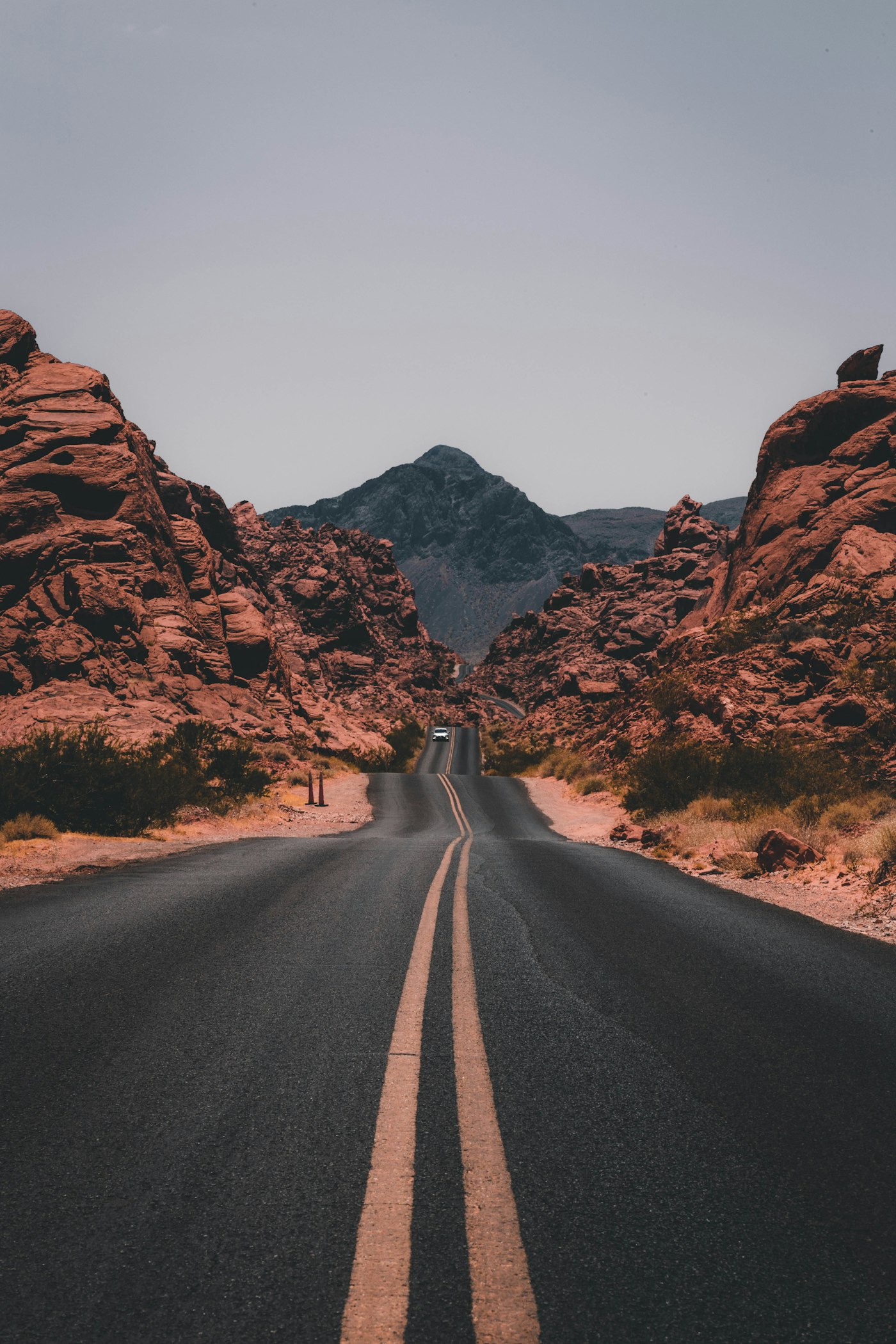
Which dark sky reserve is actually worth the trip?
If you are choosing only one reserve-led trip, think about what kind of failure you are trying to avoid. The wrong reserve is not always the dimmest sky. Sometimes it is the place where the weather, drive times, or room inventory make the odds worse than they look on paper.
| Reserve | Why it works | What can go wrong | Best for |
|---|---|---|---|
| Aoraki Mackenzie | Strong lodging base in Tekapo, observatory culture, easy to build a full trip around | Cloud risk means you should not treat it like a one-night stop | First premium reserve trip |
| NamibRand | Extraordinary darkness, desert clarity, serious sky payoff | Remote routing, expensive lodges, little tolerance for sloppy planning | Bucket-list astro travelers |
| Mont-Megantic | Very manageable North American trip, built-in observatory context, easier self-drive flow | Weather can flatten short trips, and the wow factor is less cinematic than Namibia | First reserve trip from the US or Canada |
Aoraki Mackenzie wins the broadest recommendation because it gives you more ways to salvage the trip. Tekapo is a real base, not just a place to pass through. You can structure three or four nights, check cloud forecasts, move your observing night inside the stay, and still have a credible trip even if one evening blows out. That is the kind of flexibility astronomy travel needs.
NamibRand is the answer for people who know exactly why they are going. If the trip priority is the sky itself, and you are willing to pay for remoteness, it is one of the few places where the darkness alone justifies the itinerary. The catch is that the wrong booking structure punishes you fast. Too few nights, too much overland movement, or a lodge choice built more for safari optics than night comfort can shrink the value of the whole trip.
Mont-Megantic is where pragmatism wins. It is easier to reach, easier to budget, and easier to explain to someone who wants a serious night-sky trip without turning it into a heroic expedition. The sky may not feel as mythic as Namibia, but the odds of executing a clean trip are often better.
Plan your dark sky reserve trip with better timing logic
SearchSpot compares destinations, moon phases, and trip logistics so your dark sky reserve trip has a better chance of paying off.
Plan your dark sky reserve trip on SearchSpot
How many nights do you actually need?
For a reserve trip, the right answer is almost never two nights. If you are crossing an ocean or burning a long flight, three nights is the minimum sensible target and four is usually better. The extra night is not luxury. It is weather insurance.
Here is the trap: travelers think reserve status lowers weather risk because the sky reputation is so strong. It does not. Certification tells you about light pollution management, not your exact cloud window. You need enough nights to absorb one miss and enough daytime slack that you are not arriving exhausted and trying to do your best observing on the same day.
The stay length that makes sense
- Weekend add-on: only worth it if the reserve is close to home and you can treat it as a low-stakes test.
- Serious domestic trip: three nights usually gives you a real observing shot.
- Long-haul reserve trip: four nights is the safer structure, especially if the reserve is the main reason you are flying.
What people usually get wrong
The biggest mistake is choosing for designation prestige instead of trip shape. Some reserves are phenomenal on paper but awkward in reality. If your base is weak, dining shuts early, roads are tiring after dark, and every observing site requires extra movement, the badge stops helping.
The second mistake is ignoring moon timing. A mediocre reserve at new moon can beat a famous reserve with a bright moon blowing out your core observing window. If you only remember one rule, use reserve status to narrow your list, then let moon phase and weather flexibility make the final call.
The third mistake is forgetting what you will do if the sky does not cooperate. The smarter reserve trip is the one that still has value with partial failure. Tekapo wins points there. Mont-Megantic does too. Remote desert itineraries usually need a stronger tolerance for all-or-nothing payoff.

How to choose your reserve based on your trip style
If you want the safest all-around answer, book Aoraki Mackenzie and stay long enough to move your observing around the forecast. If you want the strongest darkness payoff and are comfortable paying for remoteness, choose NamibRand. If you want the easiest reserve-led first trip without extreme routing, choose Mont-Megantic.
That recommendation is intentionally not neutral. Astronomy travel punishes vague planning. You do not need ten reserves on a spreadsheet. You need one reserve that matches your budget, risk tolerance, and tolerance for logistics after dark.
A simple reserve-trip structure that usually works
- Pick your reserve based on access, not just reputation.
- Lock the trip around the new moon window first.
- Book at least three nights, four if flights are substantial.
- Choose lodging that shortens nighttime driving.
- Build one daytime recovery block so the best sky night does not collide with fatigue.
That is the difference between a trip that feels obsessive and one that feels well judged. The sky is still uncontrollable. The structure is not.
Turn dark sky reserve research into a real plan
SearchSpot helps you compare reserve options, sky timing, and backup logic before you commit the flight and hotel spend.
Compare dark sky reserve trips on SearchSpot
A good dark sky reserve trip is not niche for niche’s sake. It is one of the clearest examples of why travel planning needs timing logic, not just inspiration. Pick the reserve that gives you enough nights, enough flexibility, and enough non-sky value to survive imperfect weather, and the trip starts feeling very solvable.
Turn this research into a real trip plan
SearchSpot helps you compare stays, routes, neighborhoods, and decision tradeoffs in one planning flow so you can move from reading to booking with more confidence.