
Chianti Wine Region: Florence Day Trip or Rural Base, and How to Plan a Route That Actually Works
The Chianti wine region rewards travelers who stop treating it like a day trip and start planning it like a proper rural wine route.

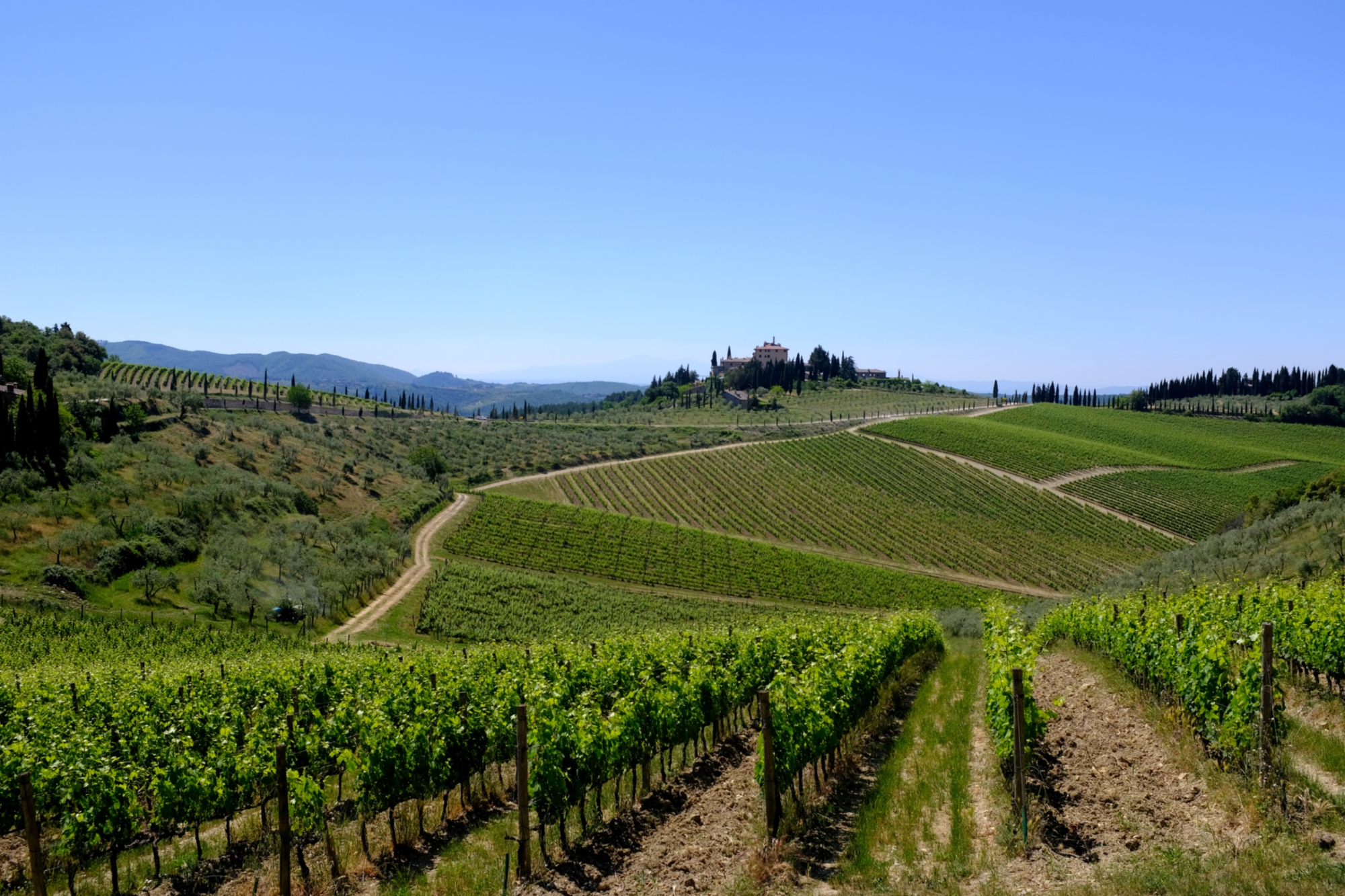
The Chianti wine region is one of the easiest places in Europe to plan badly. The scenery is so famous that travelers assume the logistics will sort themselves out. They book Florence, imagine one easy train or tour, then discover that the trip they wanted was actually a road trip with proper lunches, thoughtful tastings, and enough rural time to let the place feel like Chianti instead of a postcard drive between appointments.
My strong recommendation is simple: if wine is the reason you are going, do not default to Florence. A rural base inside Chianti nearly always produces the better trip. Florence works for a casual tasting day. It is not the smartest base for travelers who want to understand the region, enjoy long lunches, and build two or three days around wine without constant transit friction. The Chianti wine region rewards commitment. The more you treat it like a proper countryside stay, the better it gets.
The quick answer for the Chianti wine region trip
| Base | Best for | Why it wins | Main drawback |
|---|---|---|---|
| Florence | Short city break with one wine day | Easy arrival, no hotel switch, simple for casual travelers | You lose early and late-day vineyard time |
| Greve or Panzano area | First wine-first stay | Good access, strong lunch options, natural route shape | Less city energy at night |
| Radda, Gaiole, or Castellina | Deeper Chianti focus | More immersion and stronger countryside feel | Works best with a car and a calm pace |
If you only have one free day and you are already committed to Florence, keep it as a day trip. If you are building a trip around wine, sleep in Chianti itself. That one decision changes everything from tasting quality to how dinner feels at the end of the day.
Plan your wine-region trip with smarter route logic
SearchSpot compares regions, tasting logistics, and stay strategy so your wine trip feels balanced instead of overstuffed.
Plan your Chianti trip on SearchSpot
Why Florence is often the wrong base
Florence is a great city and a convenient arrival point. That is exactly why it tempts people into using it for everything. But the Chianti wine region is not built for frictionless city-to-cellar commuting if the trip is actually about wine. Roads, tasting windows, lunch timing, and the simple pleasure of not having to rush back all tilt in favor of a rural stay.
Florence works when the wine day is a side quest. It works if you want one organized tour or one carefully chosen driver day and the rest of the trip belongs to museums, architecture, and urban life. It does not work as well when you want a slow second tasting, an unhurried lunch, or the freedom to stop at a viewpoint because the light is right.
The smarter rural base
For most first-time visitors, somewhere around Greve, Panzano, Castellina, or Radda makes more sense than trying to sleep in the city. You wake up closer to the wine, you spend less energy commuting, and the region feels cohesive instead of split into a city trip plus a transport day. The drive itself becomes part of the experience rather than a cost you pay to reach it.
The exact village matters less than the principle. You want a base that gives you options without forcing constant backtracking. Chianti is best when the day can bend a little. That is much harder from Florence.
Do you need a car in the Chianti wine region?
Yes, unless you are deliberately booking a single guided day. This is the rare wine region where the answer is cleaner than people want it to be. The roads are part of the structure of the trip. The famous Chiantigiana route is not just scenic decoration. It is the backbone that makes the region legible. If you want independence, a car is the tool. If everyone intends to taste seriously, a hired driver is the better indulgence than pretending restraint will stay charming by the second winery.
Trying to piece together a serious Chianti trip with public transport usually means designing around the gaps rather than around the best experiences. That is the wrong priority.
How many wineries in a day is actually realistic?
Two is ideal. Three is the upper limit if one is short and lunch is not an afterthought. More than that, and the day becomes performative. Chianti is not only about what is in the glass. It is about road rhythm, food, villages, and the way the hills change as the day moves. People who overbook it often end up with less memory of the wine and more memory of trying to keep the schedule alive.
If you care about tasting quality, build one anchor visit each day and let the second stop be the supporting act. That makes room for lunch and keeps the region feeling generous instead of transactional.
When to go
Late spring and early autumn are the strongest answers. Spring gives you green hills, cleaner roads, and a lighter rhythm. Early autumn brings more vineyard energy and richer atmosphere. Summer can still be wonderful, but it pushes you toward earlier starts, hotter afternoons, and the temptation to retreat to the pool instead of actually tasting. Harvest season can be exciting, but only if you want the pace and attention that comes with it.
The wrong seasonal mindset is assuming there is a single best month. The right seasonal mindset is matching the region to the trip shape you want. If you want long outdoor lunches and beauty without pressure, spring is a gift. If you want more wine-country buzz, choose early autumn.
What the best first Chianti route looks like
Day one
Arrive and ease in. One late-afternoon tasting and a strong dinner is enough. Chianti improves when the first day is about settling into the region rather than conquering it.
Day two
Make this your main tasting day. One serious visit late morning, lunch nearby, then one second tasting or a village stop. This is the day where the route itself should feel as memorable as the pours.
Day three
Use the final day to choose either another focused winery day or a broader Tuscany pivot. The mistake is trying to squeeze in Montalcino, Montepulciano, and all of Chianti under one umbrella just because the map of Tuscany looks compact from a distance.
Chianti Classico or broader Tuscany wine trip?
If you only have a few days and wine is the purpose, choose Chianti Classico and do it properly. Broader Tuscany becomes better when you have enough time to let separate subregions breathe. Travelers often say they want a “Tuscany wine trip” when what they actually want is one good rural base, one beautiful road, and wines that make sense with the food and the landscape. That is exactly what Chianti does well.
Mistakes that weaken a Chianti trip
- Using Florence by default when wine is the main purpose.
- Trying to fit too many wineries into a single day.
- Ignoring lunch as if it were filler instead of part of the region's logic.
- Attempting a broad Tuscany wine trip with only two or three nights.
- Assuming every scenic road means the day will stay on time.
The best final call
The Chianti wine region is best for travelers who are willing to let the countryside run the schedule. Sleep closer to the vineyards, treat two wineries as plenty, and build around lunch and road rhythm. Florence is a great launchpad, but it is not always the smartest answer.
If you want the version of Tuscany that actually feels coherent rather than overcrowded, make Chianti the center, not the day trip.
Plan your wine-region trip with smarter route logic
SearchSpot compares regions, tasting logistics, and stay strategy so your wine trip feels balanced instead of overstuffed.
Turn this research into a real trip plan
SearchSpot helps you compare stays, routes, neighborhoods, and decision tradeoffs in one planning flow so you can move from reading to booking with more confidence.