
Camino Portugues: Central or Coastal, Where to Start, and How Many Days You Really Need
A clear Camino Portugues guide covering Central versus Coastal, Porto versus Tui, and how many days you actually need for a satisfying first route.


The reason people overcomplicate the camino portugueses is simple: it is not one neat line. It is a family of choices. Lisbon or Porto. Central or Coastal. Full route, two-week route, or certificate-focused final stretch. Every one of those decisions changes the feel of the pilgrimage.
My clear take: for most first-time pilgrims, the best Camino Portugues plan is to start in Porto and follow the Central Route, not because the coast is bad, but because the Central Route gives you the better balance of pilgrim atmosphere, logistics, and effort. The Coastal Route is the better call only if Atlantic scenery is a major part of why you are going and you accept a slightly looser pilgrimage feel in exchange.
If you only remember one thing, remember that. The Porto start is the practical sweet spot. The real debate is not Porto or Lisbon for most people. It is Central or Coastal from Porto.
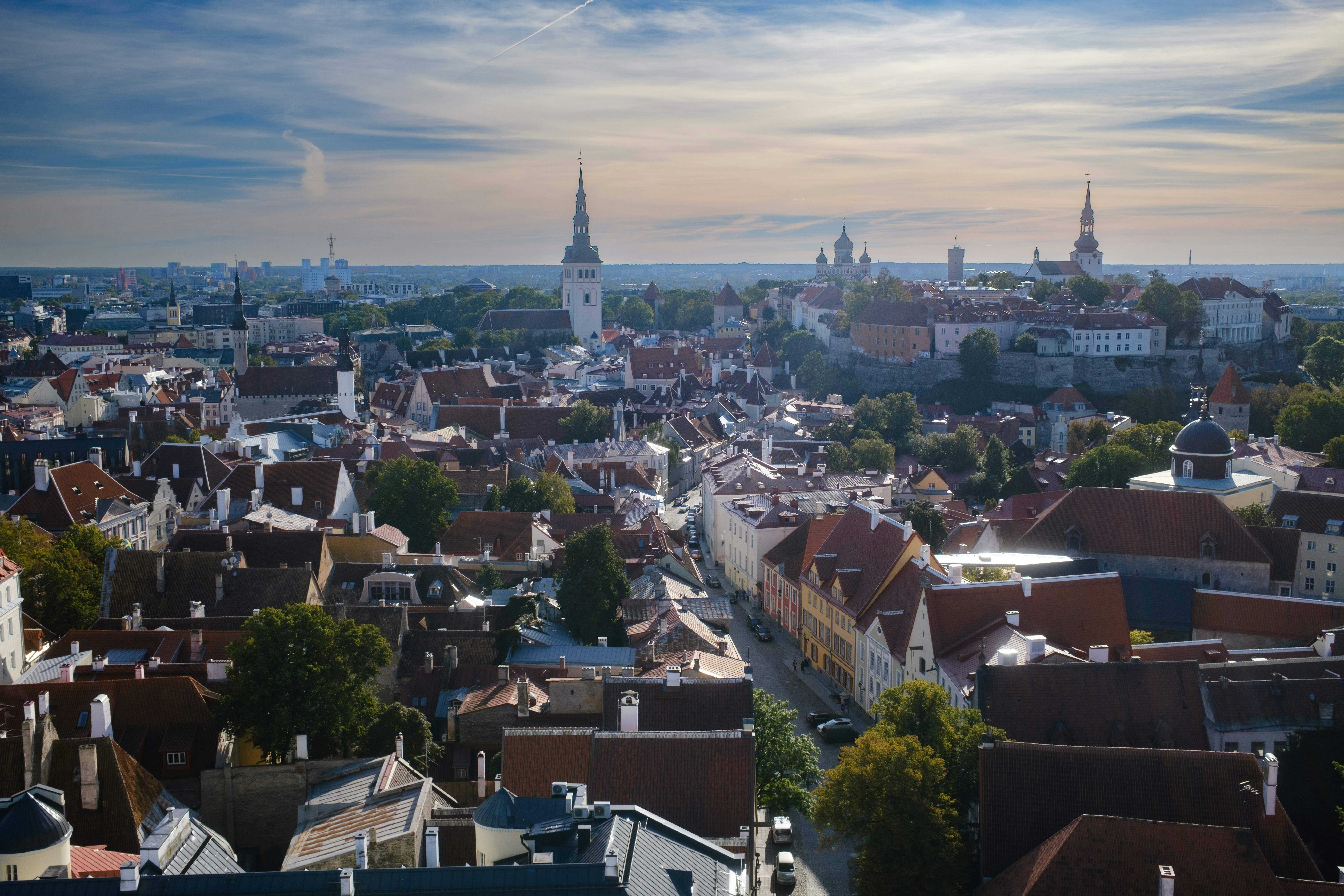
Camino Portugues, the short answer
| Decision | Best call | Why |
|---|---|---|
| Best start for most travelers | Porto | It gives you a full-feeling route without needing a month off work. |
| Best route for most first-timers | Central Route | It is more rooted in the classic pilgrim rhythm and usually easier to structure day by day. |
| Best route if scenery matters most | Coastal Route | You get more Atlantic exposure and a lighter visual mood. |
| Best short version | Tui to Santiago | It clears the certificate distance cleanly, but it is better as a time-saving compromise than an ideal first choice. |
| Biggest mistake | Choosing by photos alone | The right route depends on pacing, road feel, crowd tolerance, and how much time you actually have. |
The decision I would make for most travelers
If I were advising a serious first-time pilgrim with normal annual leave, I would send them from Porto on the Central Route.
That answer surprises people because the Coastal Route photographs better. It sounds breezier, simpler, and more cinematic. Sometimes it is. But first-time pilgrims usually need three things more than they need postcard energy: a route that is easy to structure, enough services to stay calm, and a path that still feels spiritually coherent even when the weather, legs, or schedule get messy.
The Central Route wins that comparison more often than the Coastal. It feels more like a through-line of towns, chapels, bridges, old roads, and pilgrim movement. The Coastal has obvious beauty, but it can also feel more like a hybrid travel route unless the sea is exactly what you came for.
Plan your Camino Portugues with more clarity and less friction
SearchSpot helps you compare Central versus Coastal days, start points, stay strategy, and transfer logistics so your pilgrimage route fits your life before you start walking it.
Plan your Camino Portugues on SearchSpot
Where to start the Camino Portugues
Lisbon, if you want the full long route
Starting in Lisbon is the correct answer for travelers who want the full Portuguese line and have the time to do it properly. But this is where people need honesty. Lisbon is not the smartest start for most international first-timers. It turns the route into a near-month-long project and asks for more calendar, more recovery margin, and more logistical patience than many travelers really have.
That does not make Lisbon the wrong route. It makes it the right route for a narrower group of people: pilgrims who want the full-country arc, enjoy longer undertakings, and are not trying to squeeze the Camino around a tight work schedule.
Porto, if you want the best balance
Porto is where the route becomes truly realistic for modern travelers. You can reach it easily, settle for a night or two, and start walking without burning too much energy on pre-route transfers. From there, the Camino feels substantial without becoming a calendar trap.
For most people, Porto gives the route enough runway to feel like a pilgrimage and not just a certificate extraction exercise. That is why I rate it so highly.
Tui, if time is the boss
Tui is the pragmatic short-start answer. If you only have one week and care about receiving the Compostela, starting here works. It is operationally clean and widely used.
But I would not pretend it is the ideal first Camino if you could reasonably start earlier. Tui is the efficient version. Porto is the more satisfying version.
Central Route versus Coastal Route
Why the Central Route is better for most first-timers
The Central Route has the steadier pilgrim feel. You move through inland Portugal and Galicia in a way that keeps the route feeling connected to its older rhythms. The daily structure is generally straightforward, the route is well-established, and the sense of shared Camino movement is stronger.
What first-timers usually underestimate is how helpful that consistency is. When your feet hurt a little, when the weather turns, or when you are figuring out how much distance you actually enjoy in a day, a more legible route matters a lot.
The Central Route is also better for travelers who want the pilgrimage to feel more than scenic. It gives you towns and waypoints that help the days stack up with more narrative weight.
Why some travelers should still choose the Coastal Route
The Coastal Route is not a consolation prize. It is the right answer for travelers who know that the ocean changes everything for them. If being near the Atlantic makes you breathe differently, if you would trade a slightly more classic pilgrim atmosphere for a lighter seaside route, then the Coastal Route may fit you better.
The mistake is assuming the coast is automatically easier or automatically better. It is simply different. Some sections feel more open and visually generous. Some people love that. Others miss the older inward pull of the inland route.
So ask the right question: do you want the Camino to feel more like a sea-shaped journey north, or more like a classic pilgrimage line through towns and interior paths? That answer matters more than online popularity debates.
What about the Spiritual Variant?
The Spiritual Variant is worth considering only after you already understand your route basics. It can add depth and distinctiveness, but it should be an informed choice, not a default add-on for people still unsure about their daily pacing. If this is your first Camino, simplify first. Variation later.
How many days you really need
For most walkers, 10 to 14 walking days from Porto is the useful planning frame. That gives you enough time to move with intention rather than racing the route. If you start in Lisbon, you should think in weeks, not days. If you start in Tui, you are usually looking at about a week.
The bigger issue is not the raw number. It is whether your available days create room for weather, fatigue, and one slower day when your body asks for it. Pilgrimage pacing breaks when every day is locked to an aggressive schedule.
If you want the route to change you a little, not just tire you out, leave margin.
What people usually underestimate on the Camino Portugues
Hard surfaces still matter
People hear that the route is gentler than harder Caminos and then assume it is soft underfoot all day. That is not how to think about it. A route can be moderate overall and still wear on you because of surface, repetition, and cumulative fatigue.
That is why footwear, socks, and pacing discipline matter even on a route with a friendlier reputation.
Porto deserves a real start, not a rushed one
Do not land late, panic-book a room, and lunge into your first walking day without settling your brain. Spend a night in Porto. Eat well. Get your credential sorted. Start the pilgrimage feeling like you chose to be there, not like you barely made your connection.
The shorter option is not always the stronger option
Tui is efficient. Vigo can work on the Coastal side. But a route should not be shortened purely because it can be. The Camino gets better when it has enough days to teach you its rhythm.
Who the Camino Portugues fits best
The Camino Portugues is strongest for travelers who want a pilgrimage that is spiritually serious but logistically humane. It suits people who want enough structure to stay calm, enough beauty to stay engaged, and enough route length to feel that the walk has genuinely taken hold.
It is especially good for:
- first-time pilgrims who do not want to start with the busiest route
- travelers working with about two weeks rather than a full month
- people who want a route that is supportive without feeling over-managed
- walkers who care about food, town rhythm, and day-to-day livability as much as pure challenge
It is less ideal if you want a brutally challenging trail, the grand fame of the Frances, or a pilgrimage defined mostly by mountain effort.
My recommendation, if you want one plan
If you want the most reliable first-time plan for the camino portugueses, do this:
- Start in Porto.
- Take the Central Route unless the sea is a major emotional reason for your trip.
- Give yourself 10 to 14 walking days, not the minimum possible.
- Use Tui only if your schedule genuinely forces a shorter version.
That plan works because it respects both sides of pilgrimage. It respects the symbolic side by giving the route enough room to mean something. And it respects the practical side by not pretending you have infinite time, unlimited knees, or patience for avoidable chaos.
The Camino Portugues is not the compromise Camino. It is the balanced Camino. That is why I recommend it so often.
FAQ
Is the Camino Portugues better than the Camino Frances?
For many first-timers with limited time, yes. It is easier to fit into a real schedule and often feels less overwhelming. For travelers with a full month who want the classic social pilgrimage, the Frances is still stronger.
Should I do the Central or Coastal Camino Portugues?
The Central Route is better for most first-timers because it is easier to structure and feels more rooted in the classic pilgrim rhythm. Choose the Coastal Route if Atlantic scenery is a major reason you are going.
Is starting in Tui enough?
Yes, it works if time is tight and you want a one-week Camino that still qualifies for the Compostela. But Porto is usually the more satisfying first experience if you can afford the extra days.
How long does the Camino Portugues take?
From Porto, most people should think in terms of 10 to 14 walking days. From Lisbon, think in weeks. From Tui, think about a week.
Need the route choice and overnight plan to make sense together?
SearchSpot helps you compare Porto, Tui, Central, and Coastal route trade-offs in one planning flow so you can stop second-guessing the shape of your Camino.
Compare Camino Portugues options on SearchSpot
Sources checked: official Pilgrim’s Office guidance on the Compostela distance rule, official and route-authority overviews for the main Portugues start points and variants, and current long-form Camino planning guides cross-checked for route length, pacing, and route character.
Turn this research into a real trip plan
SearchSpot helps you compare stays, routes, neighborhoods, and decision tradeoffs in one planning flow so you can move from reading to booking with more confidence.