
Boston Architecture: The Back Bay and Fenway Route That Actually Works
A Boston architecture trip works best when you stop treating the city like one giant checklist and build around Back Bay and Fenway.

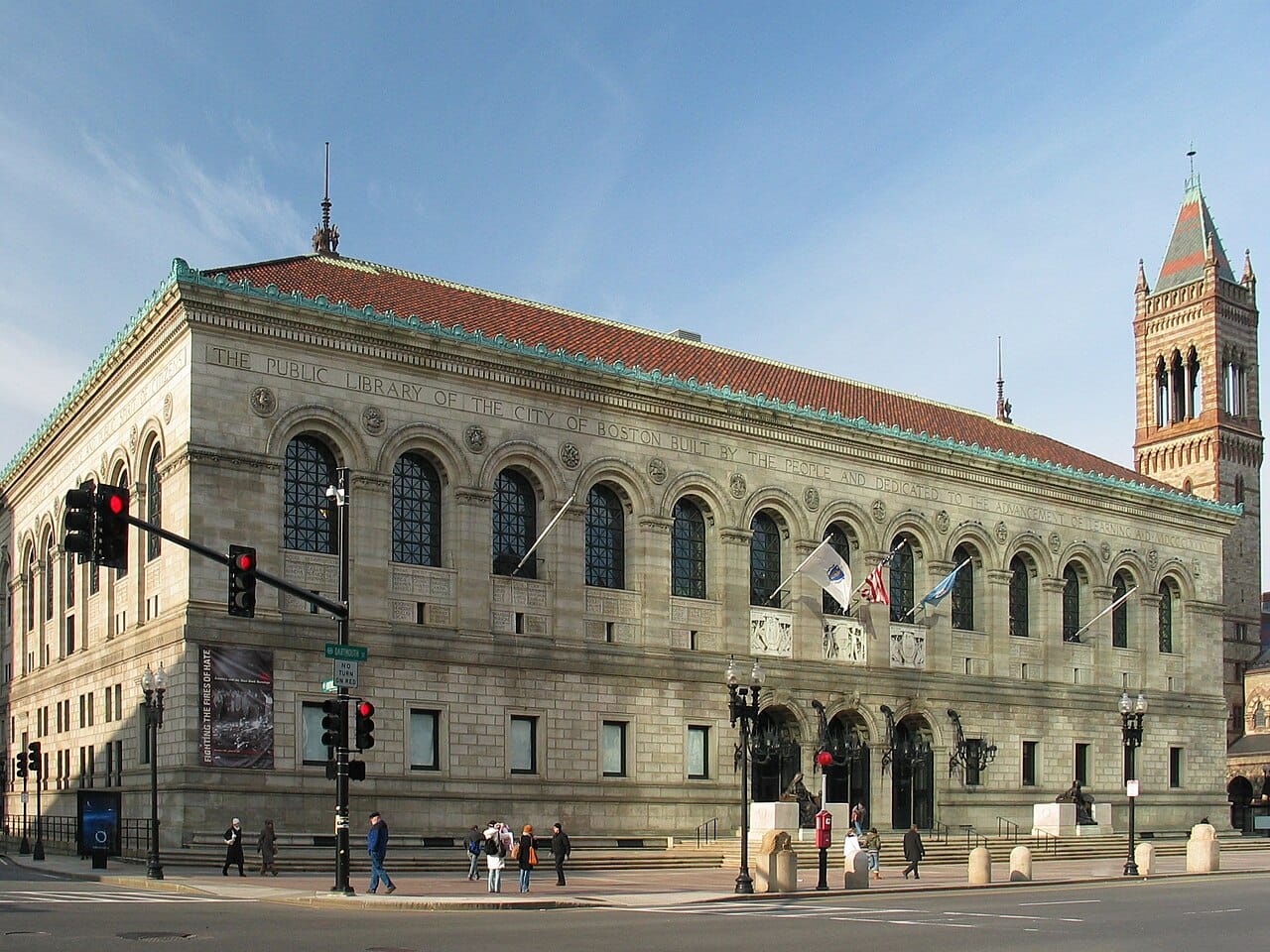

Boston architecture can get abstract fast unless someone tells you which buildings are actually worth entering, which ones are strongest from the sidewalk, and how to keep the city from turning into a cross-town slog. Boston rewards focus, not range. If this is your first architecture-first trip, Back Bay and Fenway give you the cleanest read on the city: Richardson, McKim, civic grandeur, a little modern contrast, and a museum-house sequence that still feels human instead of dutiful.
My decisive take: do not try to cover all of Boston in one architecture day. Build one dense day around Copley Square and Fenway, then treat City Hall, Cambridge, or the Seaport as optional detours only if you have a second day. The best first trip is not the broadest one. It is the one that leaves you with the sharpest sense of what Boston actually is.

Best Boston architecture route for a first trip
| Question | Best answer | Why |
|---|---|---|
| Best trip length | 1 full day, 2 if you add Cambridge or civic Brutalism | Back Bay and Fenway are dense enough to feel complete without constant transit resets. |
| Best base | Back Bay | You can walk to Trinity Church, Boston Public Library, Newbury Street, and Fenway-side stops without wasting energy. |
| Best day to go | Thursday | Isabella Stewart Gardner Museum stays open until 9 p.m. on Thursdays, which lets the route breathe. |
| Worth paying for | Gardner interior, Trinity if open, any scheduled BPL tour slot | Those three give you the richest interior payoff. |
| Fine from outside only | John Hancock Tower, much of Copley sequence, plenty of Fenway fabric | Boston's urban composition matters as much as interiors. |
Why Back Bay and Fenway beat a citywide checklist
Boston is full of good buildings. That is exactly why visitors overreach. They bounce from Beacon Hill to Cambridge to City Hall to the Seaport and end the day remembering more rides than rooms. Back Bay and Fenway keep the narrative clean. You move from Trinity Church's heavy, textured Romanesque language to the public monumentality of the Boston Public Library, then into the Gardner's intimate Venetian fantasy and the looser museum-campus feeling around Fenway.
The route also lets you feel Boston's best trick: serious architecture without giant urban scale. This is not a city that overwhelms by size. It wins by adjacency.
Sequence Copley Square and Fenway as one route
SearchSpot can connect timed interiors, free architecture tours, walking, and meal breaks into a route that keeps its momentum.
Build my Boston architecture route
Morning route: Copley Square first, before the crowds thicken
Start in Copley Square. Give yourself at least 45 minutes just to stand still, cross the square, and read the relationships. Trinity Church matters not only because of the building itself, but because it still holds the square emotionally even with glass towers pushing around it. If tours are operating, Trinity's visitor service hours currently run Tuesday through Saturday from 10 a.m. to 4:30 p.m., and the church also points visitors to a free exterior audio tour when the interior is not available.
Then cross to the Boston Public Library's McKim Building. The Central Library keeps long daily hours, and the BPL currently lists both a digital audio visitor guide and calendar-based art and architecture tours. That combination matters. Even if you miss a guided slot, the building still rewards a slow self-guided read because the point is not just the facade. It is how Boston decided a public library should feel: ceremonial, civic, and unapologetically grand.
What not to do in the morning
Do not rush off to Beacon Hill the moment you see the State House. For a general Boston trip, sure. For a Boston architecture trip, that move breaks your momentum too early. Stay in the Copley conversation until you feel it.
Afternoon route: Fenway gives Boston its interior payoff
After lunch, walk or short-hop to the Isabella Stewart Gardner Museum. This is the stop that gives the route emotional range. The museum currently operates Monday, Wednesday, Friday 11 a.m. to 5 p.m., Thursday 11 a.m. to 9 p.m., Saturday and Sunday 10 a.m. to 5 p.m., and stays closed Tuesday. Ticket sales end 30 minutes before closing, which is exactly why late planners get pinched here. If you only pre-book one timed stop for this route, make it Gardner.
Fenway also works because it does not force you into one kind of architecture. You can stay tight on the museum sequence, or widen out and read the district as a campus-urban blend. That makes it better for real travelers than a purist itinerary that leaves no room for mood or fatigue.
Where to stay for a Boston architecture trip
Stay in Back Bay if architecture is the reason for the trip. It is not the cheapest answer, but it is the right one. You get early access to Copley light, easy returns between stops, and less temptation to turn the trip into a transit exercise.
Fenway can work if prices are better, especially if the Gardner is a priority, but it is slightly worse as a first base because it weakens the immediate morning access to the city's best civic-architecture pairing.
What deserves a second day, and what does not
If you have a second day, choose one add-on cluster rather than everything. Cambridge makes sense if you care about academic modernism and campus texture. City Hall makes sense if heroic concrete matters to you more than tourist convenience. The Seaport does not deserve priority on a first architecture trip unless your interest is contemporary development rather than built history.
That is the main mistake people make with Boston architecture. They treat variety as value. It is not. Sequence is value.
Bottom line
Boston becomes easier once you stop chasing every famous building. Build around Back Bay and Fenway, book Gardner early, treat Trinity and the BPL as the morning anchor, and let the city reveal itself through concentration instead of coverage. That is how the trip feels coherent instead of academic.
Choose a base before adding a second-day detour
Compare hotel location, tour hours, and one Cambridge or City Hall extension without turning the trip into transit.
Compare my Boston trip bases
Check before you go
Hours, prices, road access, special-entry rules, tours, and closures can change. Recheck these official pages before paying or traveling.
Turn this research into a real trip plan
SearchSpot helps you compare stays, routes, neighborhoods, and decision tradeoffs in one planning flow so you can move from reading to booking with more confidence.