
Bookshops in Dublin: Best One-Day Literary Route and Where to Stay
Bookshops in Dublin work best when you keep the day anchored in Dublin 1 and 2, add one rare-book stop, and stop pretending Dalkey, Ranelagh, and the city core belong in the same first itinerary.


People go wrong with bookshops in Dublin by treating the city like a single browseable district. It is not. Dublin is wonderfully walkable by big-city standards, but the literary day only feels right if you anchor it. If you start adding every suburban independent, every market, every Joyce site, and every museum in one shot, you flatten the city into a checklist.
The sharp first-day answer is Dublin 2 first, then a controlled move across the river. Start around Dawson Street and Duke Street, work through the core shops that sit naturally with literary Dublin, then decide whether your afternoon is for the Winding Stair and Chapters or for a museum stop like MoLI. Do not try to do all of them plus Dalkey, Ranelagh, and a pub crawl.
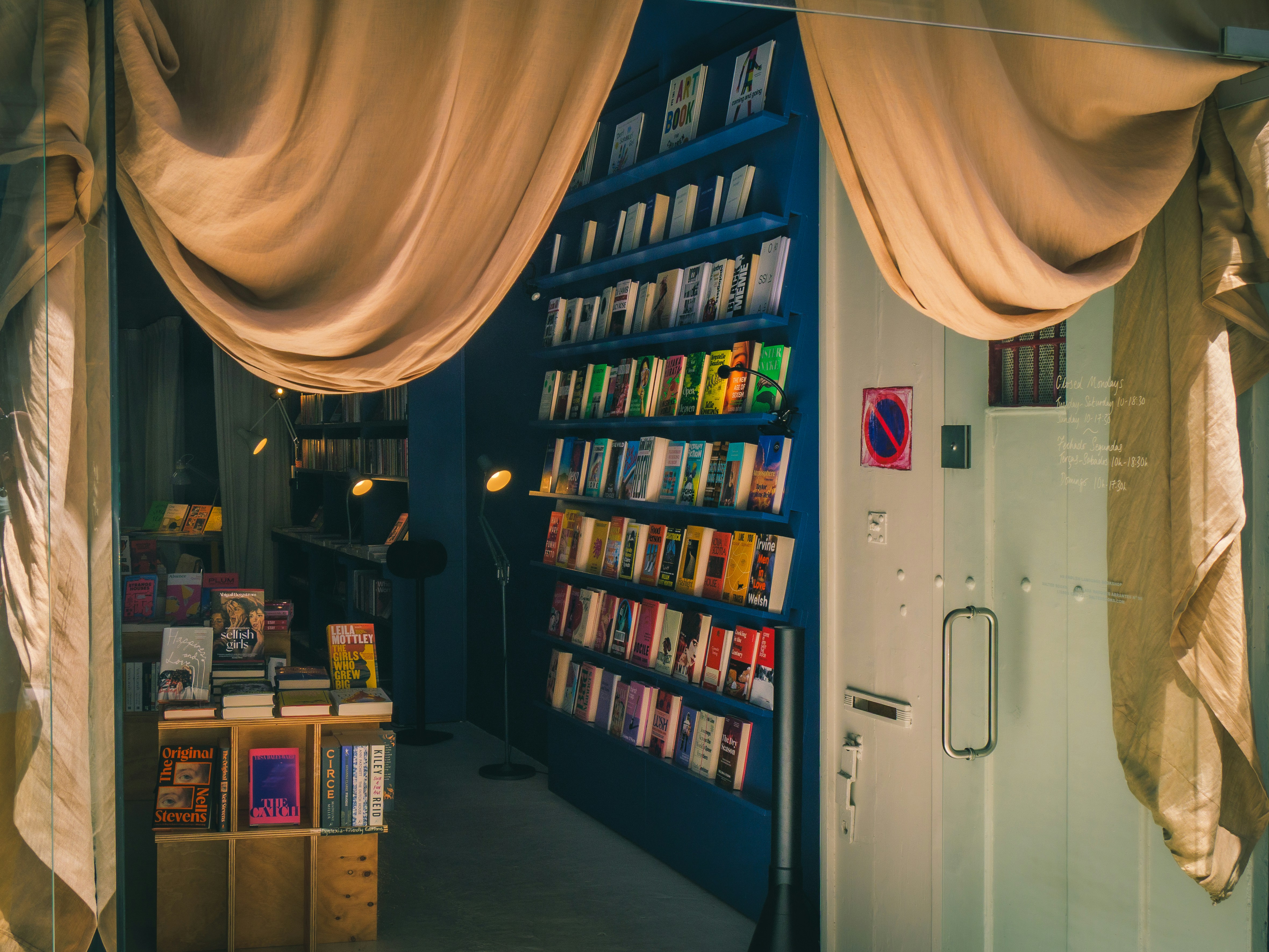
The short answer on bookshops in Dublin
| Decision | Recommendation | Why |
|---|---|---|
| Best first-time route | Dawson Street, Duke Street, D’Olier Street, Ormond Quay, Parnell Street | You get the strongest mix of literary weight, browsing quality, and easy movement. |
| Best hotel base | Dublin 2 | You stay closest to the highest-value literary core. |
| Best specialist stop | Ulysses Rare Books | It adds real Dublin literary depth, not just more shelves. |
| What to skip on day one | Outer-neighborhood bookshop detours | The first day should stay within the central literary city. |
The decision I would actually make
If I had one literary day in Dublin, I would stay in Dublin 2, start at Hodges Figgis, cut to Ulysses Rare Books while I still wanted to browse carefully, stop at Books Upstairs, then decide whether the afternoon should lean museum and river or second-hand and northern city center. That keeps the day bookish, walkable, and recognizably Dublin.
Plan your Dublin literary route with a better city flow
SearchSpot compares neighborhood base, route logic, and literary trade-offs so your Dublin bookshop day feels lived in instead of overstuffed.
Plan your Dublin literary trip on SearchSpot
Why the central route wins
Dublin’s literary appeal is unusually concentrated. That is why over-planning is so damaging here. The city is generous if you let the route breathe. You can move from a major shop to a rare-book room to a literary cafe atmosphere without needing to reinvent the day each hour.
The bigger reason the central route wins is that Dublin’s literary identity is not only inside the shops. It is in the street names, the references, the river views, the easy crossings between commerce and culture. Once you drift too far out too early, you lose that layer.
Which shops and stops matter most
Hodges Figgis is the right opening statement
This is where the day should start because it is broad, confident, and deeply tied to Dublin’s literary self-image. Starting anywhere smaller can be charming, but it usually makes the first half of the day feel scattered.
Ulysses Rare Books is the stop that makes the route specifically Dublin
This is the moment where the trip stops being about book buying in a generic city and starts feeling attached to Irish literary history. Even if you are not shopping at collector level, it sharpens the day’s identity.
Books Upstairs is the best mood shift
This is the kind of stop that makes a literary route feel local instead of monumental. It gives the day a more intimate Dublin texture.
The Winding Stair is the smartest river-side continuation
This is where the route relaxes. You are no longer in pure browse mode. You are in a part of the city where books, views, and a longer meal actually belong together.
MoLI is the right non-shop counterweight
If the route needs one cultural institution rather than another retail stop, make it MoLI. The point is not quantity. It is adding weight.
Where to stay if bookshops are the point
Dublin 2 is the correct answer for most first-timers. It keeps you close to Hodges Figgis, Ulysses Rare Books, Books Upstairs, and the St Stephen’s Green side of literary Dublin. The route begins easily and the evening still feels central.
Dublin 1 near the river can work if you want quicker access to the Winding Stair, Chapters, and the northern side of the route. But if books are the real headline, Dublin 2 still feels cleaner and stronger.
A route that actually fits one day
- Open strong in Dublin 2 with Hodges Figgis.
- Add one rarer or more distinctive stop, ideally Ulysses Rare Books.
- Use Books Upstairs to keep the route feeling literary rather than commercial.
- Choose one afternoon emphasis: river and MoLI, or the Winding Stair and Chapters.
- Leave Dalkey, Ranelagh, and the pub-crawl version of Dublin for another day.
If it is Saturday, the Temple Bar Book Market can be a nice addition, but only if the rest of the route is already under control. It should not be the excuse that blows up the whole shape.
What travelers usually get wrong
The first mistake is assuming literary Dublin means doing every Joyce-linked thing immediately. The second is chasing bookshop count instead of bookshop quality. The third is staying outside the central districts to save a little money and then spending it back in time and energy.
Dublin is not a city you win by accumulation. You win it by choosing the right central sequence.
The recommendation I would make
For most travelers searching bookshops in Dublin, I would do one strong Dublin 2 to north-of-the-river day, then use the second day for deeper Joyce, market, or neighborhood detours. That keeps the first literary impression focused and the rest of the trip flexible.
Need the Dublin route narrowed down before you choose the hotel?
SearchSpot helps you compare stay area, literary density, and what actually fits in a first Dublin bookshop day without flattening the city into errands.
Compare Dublin literary routes on SearchSpot
Sources checked
Turn this research into a real trip plan
SearchSpot helps you compare stays, routes, neighborhoods, and decision tradeoffs in one planning flow so you can move from reading to booking with more confidence.