
Birding Tours: When Paying for a Specialist Guide Wins, and When It Does Not
Birding tours are worth the money only when they solve real route, access, and species-probability problems. This guide shows when guided trips beat self-planning, and when they really do not.


Birding tours are easy to overbuy and just as easy to dismiss for the wrong reason. Some travelers assume the guide solves everything, pay a lot, and then discover they bought structure they did not actually need. Others insist on doing everything alone, then waste the best dawn windows on transfers, road confusion, or the simple fact that tropical birding is brutally local.
Here is the decisive version. Guided birding earns its price when the destination is species-rich, time is short, and the access puzzle is not obvious from a map. It loses value when you have plenty of time, repeat-destination familiarity, or the patience to build your own route around current local knowledge. The trick is not choosing guided versus independent as an identity. The trick is choosing the right format for the exact problem your trip creates.
The Three Formats That Matter
| Format | Best for | What it solves | What it costs you |
|---|---|---|---|
| Small-group birding tour | First trip to a complex destination | Route sequencing, local knowledge, shared logistics | Less freedom, fixed pace, group compromise |
| Private guide | Target species trips or short high-stakes windows | Maximum customization and local intel | Highest cost |
| Self-drive or self-planned | Longer trips or repeat visits | Freedom and budget control | You carry every logistics mistake yourself |
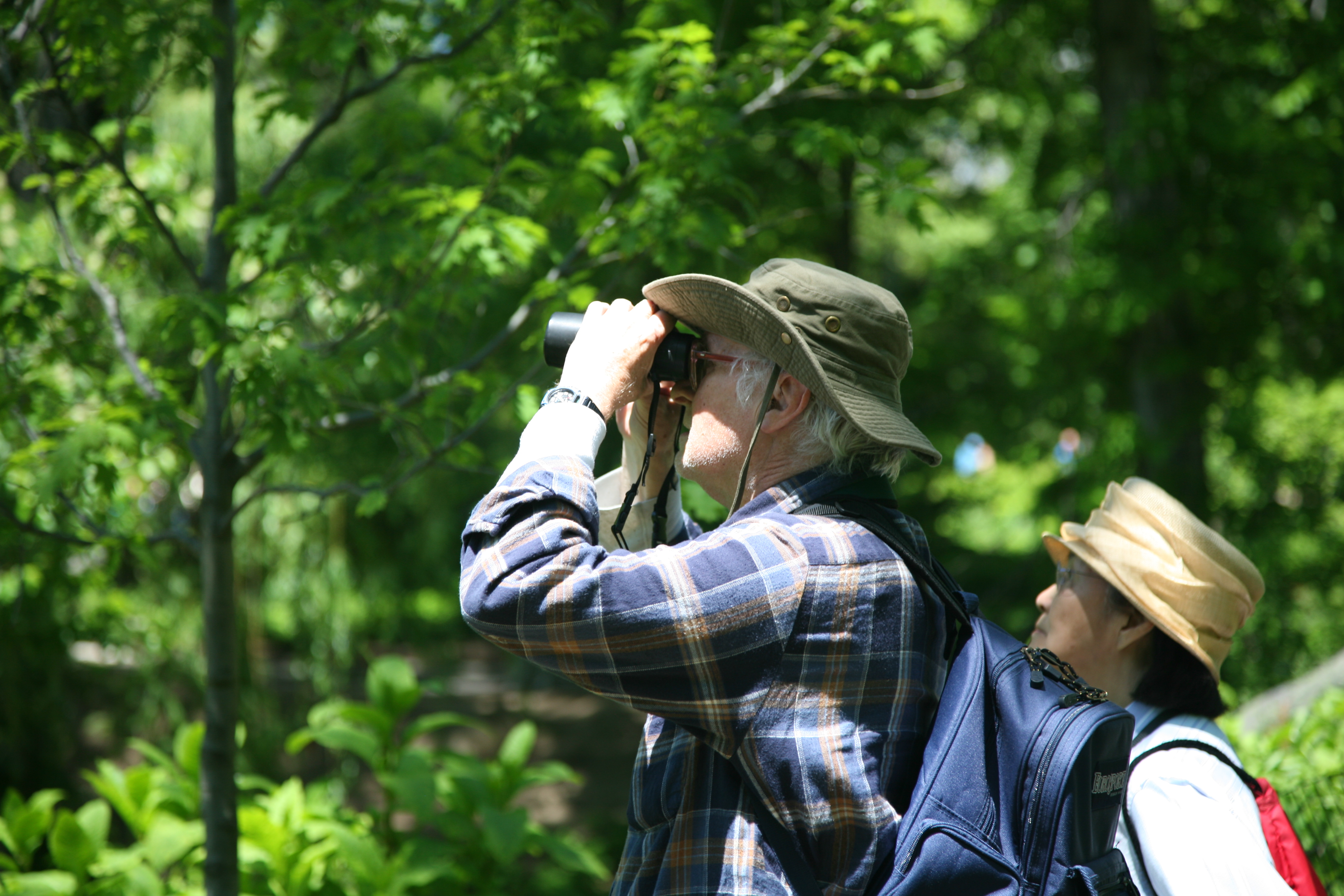
When Birding Tours Are Clearly Worth It
The best use case is a first serious trip to a high-diversity country where elevation, weather, dawn timing, and site access all change species probability fast. That could be Costa Rica, Ecuador, Peru, Colombia, Panama, Uganda, or any destination where a wrong hotel base or badly timed transfer quietly costs you half the birds you hoped for.
Guided trips also win when you only have a week or ten days and cannot afford a learning curve on the ground. In that situation, a good guide is not just helping you identify birds. They are compressing the route mistakes you would otherwise make on your own. That matters far more than many first-time buyers realize.
A guide is usually worth it when:
- You have one short, expensive shot at the destination.
- You care about endemics or specific target birds, not just a pleasant general experience.
- You will lose time or confidence because of language, driving, permits, or poor road assumptions.
- You want someone else to own the dawn starts, backup plans, and daily sequencing.
What Guided Tours Solve That Maps and eBird Do Not
Great self-planners often underestimate the difference between knowing a species is possible and knowing how to make it likely. A good guide knows which stop is worth the first hour, which site has gone quiet recently, which flowering patch is working, which trail is washed out, and when a famous location is not actually the right stop for your exact week. That is the gap between information and execution.
The most common failure on self-planned birding trips is not a dramatic disaster. It is death by small misses. Too much time in transit. A base that forces pre-dawn drives every day. Too many habitat jumps. A site visited in the wrong light. A destination added because it sounded important, even though it breaks the route. Guides earn their keep by removing those losses before they happen.
When Birding Tours Underperform
Birding tours are not automatically the best answer. If you have a long time in country, a repeat visit to somewhere you already understand, and enough patience to work your own daily plan, the rigid pace of a group trip can feel expensive and oddly constraining. The same is true if you are a strong independent traveler who prefers to spend three hours on one trail because mixed flocks are moving and the group wants to leave.
Some travelers also overpay for guided structure when a hybrid format would be better. For example, two or three strategic private-guide days at the start of a self-drive trip can be smarter than staying fully guided all week. That model often gives you the local pattern-reading you need without locking the whole itinerary into tour-company tempo.
Plan your birdwatching trip without the route chaos
SearchSpot helps you compare seasons, bases, and logistics so your birding trip works in the field, not just on paper.
Compare guided and self-planned routes on SearchSpot
Group Tour vs Private Guide
Group tours are best when you want planning support, shared cost, and zero interest in rebuilding the route yourself. Private guides are best when the trip is species-specific or when your budget can handle paying to remove compromise. This is especially true if you have a short window and one or two birds that would genuinely change whether the trip feels successful.
If you are the person who hates moving at someone else's pace, private guiding is often the better use of money than a premium group tour. If you are mostly worried about getting the route right and seeing a lot without managing the trip minute by minute, small-group guiding is usually enough.
The Best Way to Decide
Ask four questions. First, is this your first trip to the destination or a return visit? Second, are you chasing a broad bird list or a short set of important targets? Third, how much route complexity is hidden behind the pretty photos? Fourth, if the trip goes slightly wrong, will you shrug it off or feel sick about the missed opportunity?
If the honest answers are first trip, meaningful target birds, hidden complexity, and low tolerance for regret, guided birding is the right buy. If the answers are repeat destination, long trip, high flexibility, and comfort with improvising, independent planning becomes much more attractive.
The Recommendation
Book birding tours when they solve a real execution problem, not because guided travel sounds more serious. In dense tropical destinations, short high-stakes trips, and route-heavy wildlife windows, guides are often the smartest line item in the budget. On long repeat visits or low-complexity trips, independence usually wins.
The goal is not to prove you are independent enough or committed enough to bird the hard way. The goal is to build the trip format that gives you the highest chance of a satisfying field experience with the least avoidable regret.
Plan your birdwatching trip without the route chaos
SearchSpot helps you compare seasons, bases, and logistics so your birding trip works in the field, not just on paper.
Turn this research into a real trip plan
SearchSpot helps you compare stays, routes, neighborhoods, and decision tradeoffs in one planning flow so you can move from reading to booking with more confidence.